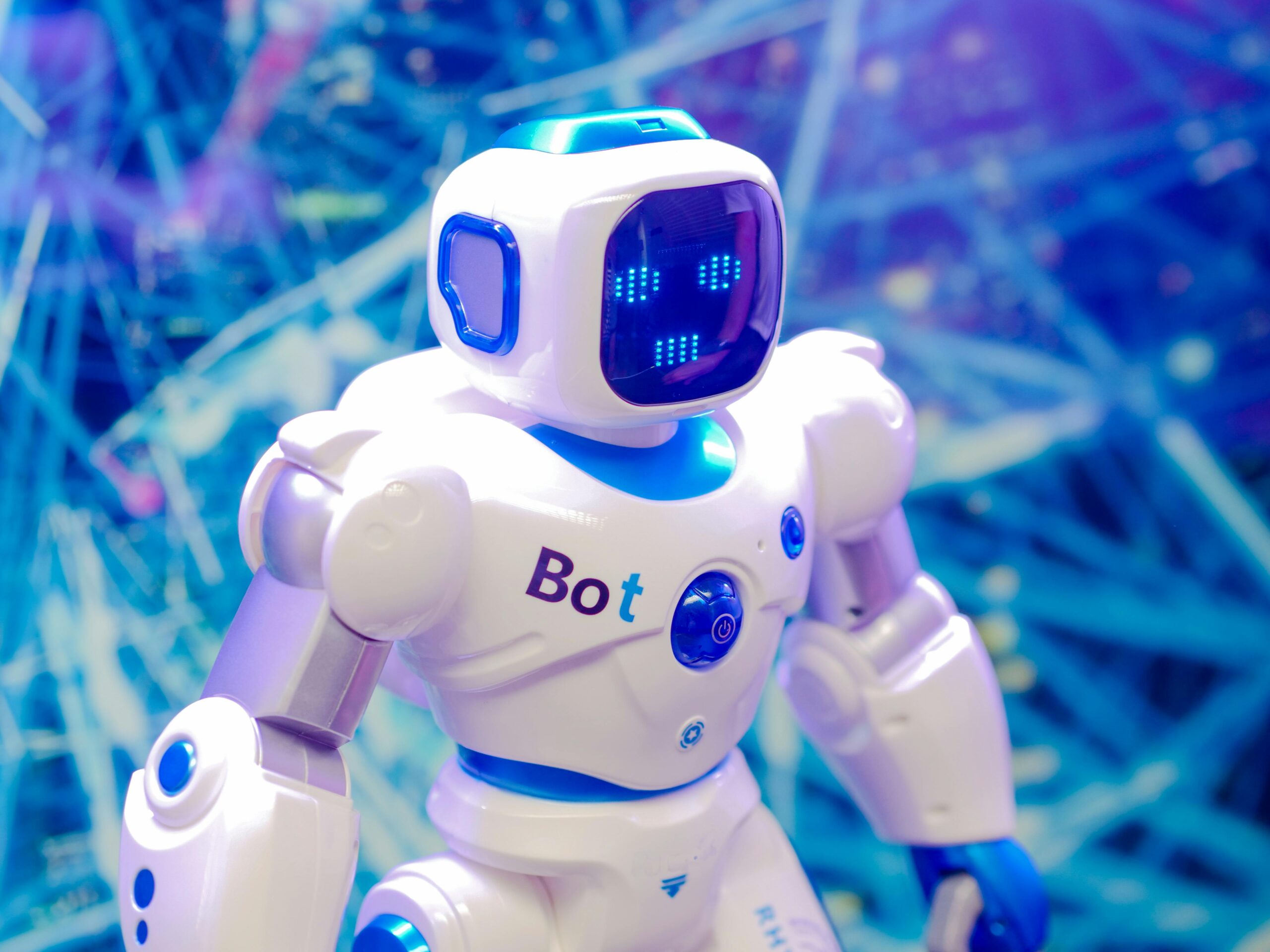
Embodied AI represents the convergence of artificial intelligence and advanced robotics, creating systems that can physically interact with the real world. This technology promises to revolutionize sectors like manufacturing, healthcare, and domestic services.
Embodied Artificial Intelligence represents one of the most promising and revolutionary developments in the contemporary technological landscape. This innovative branch of AI combines traditional artificial intelligence with advanced physical capabilities, enabling systems to interact directly with the surrounding environment through sophisticated robotic bodies.
What is Embodied AI?
Embodied AI distinguishes itself from conventional artificial intelligence systems through its ability to perceive, process, and act in the physical world. While traditional AI operates primarily in the digital domain, embodied AI utilizes advanced sensors, actuators, and robotic bodies to manipulate objects, navigate complex spaces, and perform tasks requiring physical dexterity.
This technology integrates machine learning algorithms with motor control systems, artificial vision, and real-time sensory processing, creating artificial entities that can learn and adapt through direct physical interaction with their environment.
Revolutionary Applications
The potential applications of Embodied AI are vast and promise to transform numerous sectors:
- Manufacturing and Industry: Collaborative robots working alongside human operators, dynamically adapting to changes in production processes
- Healthcare: Assistive robots capable of helping elderly or disabled patients with daily activities, providing personalized physical support
- Domestic Services: Robotic assistants that can perform complex household tasks, from cleaning to meal preparation
- Exploration: Autonomous robots for exploring dangerous or inaccessible environments, such as ocean floors or planetary surfaces
Enabling Technologies
The development of Embodied AI is made possible by the convergence of several cutting-edge technologies. Neuromorphic processors enable efficient, low-power processing, while advanced tactile sensors provide detailed sensory feedback. Reinforcement learning algorithms allow robots to continuously improve their performance through direct experience.
Hardware miniaturization and advances in smart materials are also making possible the creation of more agile, resilient, and versatile robotic bodies capable of operating in a variety of environments and conditions.
Challenges and Future Prospects
Despite enormous potential, Embodied AI still presents significant technical and ethical challenges. Safety in human-robot interaction, system robustness in unstructured environments, and issues related to privacy and work automation require careful consideration.
However, with rapid progress in research and growing investments in the sector, Embodied AI is preparing to become an increasingly present reality in our lives, promising to redefine how we interact with technology and the world around us.