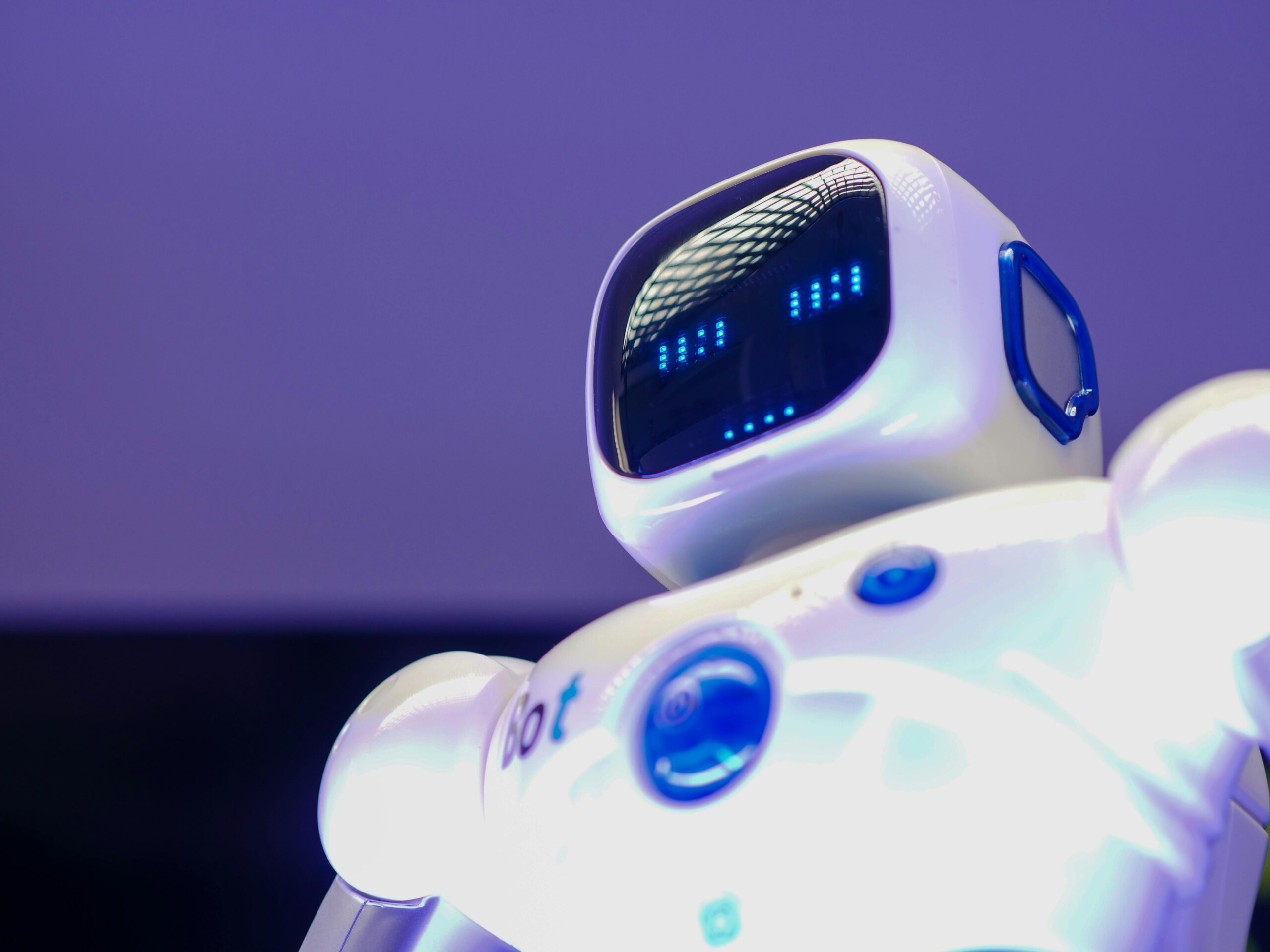
Autonomous Artificial Intelligence represents the next major technological leap, enabling systems to make complex decisions without human supervision. From self-driving cars to industrial robots, this technology is revolutionizing how we interact with intelligent machines.
Autonomous Artificial Intelligence represents one of the most promising and revolutionary sectors of modern technology. While traditional AI systems require constant input and supervision, autonomous AI is designed to operate independently, making complex decisions based on real-time data and advanced learning algorithms.
What is Autonomous AI
Autonomous AI refers to intelligent systems capable of perceiving the surrounding environment, processing information, planning actions, and executing tasks without direct human intervention. These systems combine machine learning, computer vision, natural language processing, and decision-making algorithms to create a truly independent form of artificial intelligence.
Unlike traditional AI systems that follow predefined rules, autonomous AI can adapt to new and unexpected situations, continuously learning from experience and improving its performance over time.
Key Applications
- Autonomous Vehicles: Cars, trucks, and drones that navigate independently, reducing accidents and optimizing traffic
- Industrial Robotics: Robots managing complete production chains, from logistics to quality control
- Advanced Virtual Assistants: Systems that anticipate user needs and act proactively
- Autonomous Cybersecurity: Security systems that identify and neutralize threats in real-time
- Smart City Management: Urban infrastructure that self-regulates to optimize energy, traffic, and public services
Benefits and Challenges
Autonomous AI offers significant advantages: greater operational efficiency, reduction of human errors, 24/7 availability, and ability to operate in dangerous environments. However, it also presents important challenges such as ethical questions about decision responsibility, need for rigorous safety standards, and potential employment impacts.
Algorithm transparency represents another crucial aspect, as it’s fundamental to understand how and why an autonomous system makes certain decisions, especially in critical sectors like healthcare and transportation.
The Future of Autonomous AI
Experts predict that by 2030, autonomous AI will be integrated into many aspects of daily life. Evolution toward increasingly sophisticated systems will require collaboration between technologists, legislators, and civil society to ensure responsible development beneficial for all.
Autonomous AI won’t completely replace human intervention but will create new forms of human-machine collaboration, where artificial intelligence handles operational tasks while humans focus on creativity, strategy, and ethical supervision.