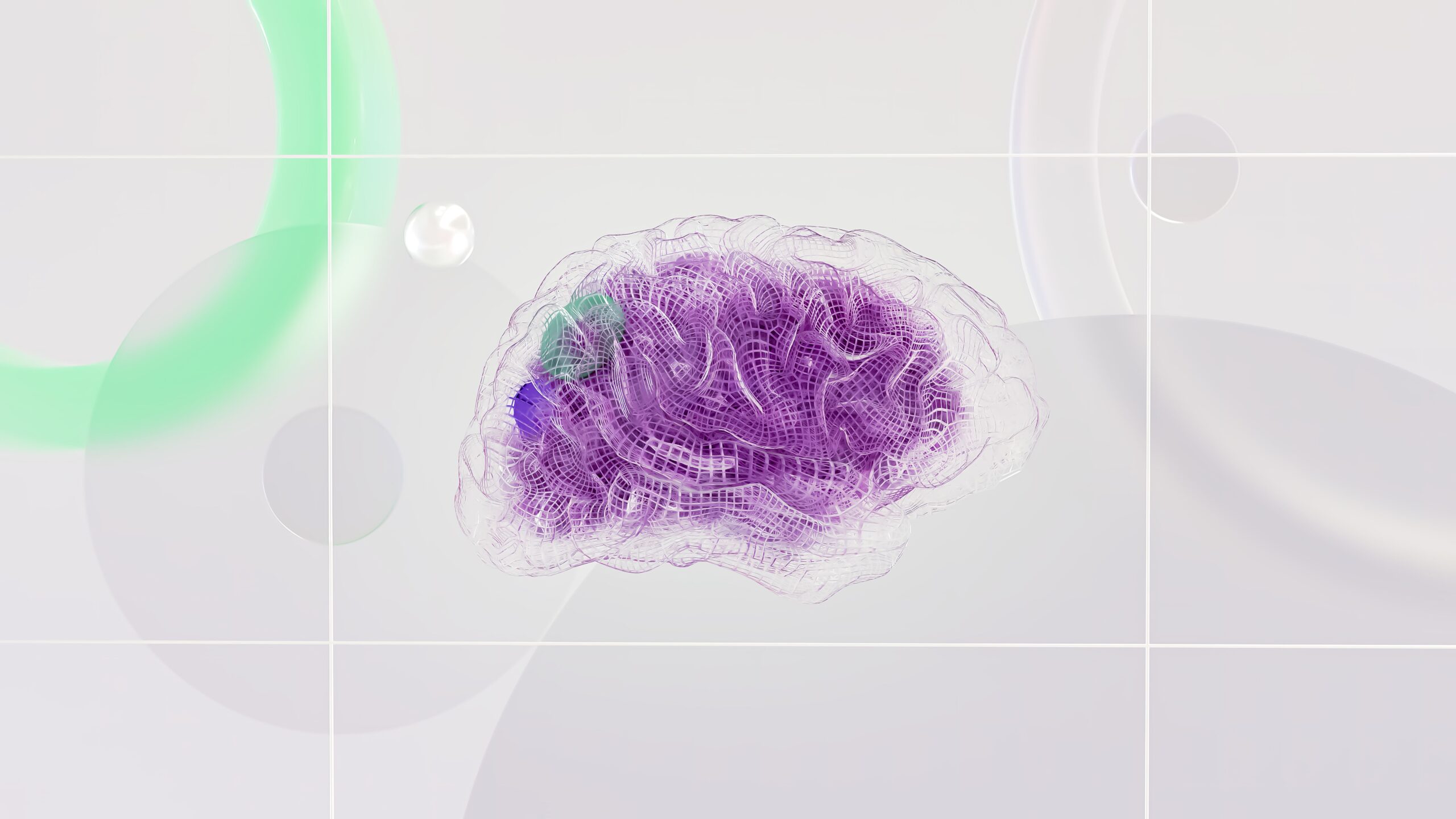
Neuro-symbolic AI represents the new frontier of artificial intelligence, merging the power of machine learning with the precision of logical reasoning. This innovative fusion promises to overcome current AI limitations, creating more transparent and reliable systems.
In the ever-evolving landscape of artificial intelligence, a new frontier is emerging: neuro-symbolic AI. This revolutionary approach combines the best of two seemingly opposing worlds: the learning power of neural networks and the precision of traditional symbolic reasoning.
What is Neuro-Symbolic AI
Neuro-symbolic artificial intelligence represents a hybrid paradigm that integrates the learning capabilities of neural networks with logical-symbolic reasoning methods. While neural networks excel at pattern recognition and learning from large amounts of data, symbolic reasoning provides clear and explainable logical structures.
This fusion enables the creation of AI systems that not only learn from data but can also reason transparently about obtained results, offering understandable explanations for their decisions.
Advantages of the Combination
The neuro-symbolic approach offers numerous benefits over traditional methods:
- Decision transparency: Systems can explain the reasoning process that leads to specific conclusions
- Efficient learning: Require less data to achieve high performance thanks to integrated symbolic knowledge
- Causal reasoning: Can understand complex cause-and-effect relationships
- Robustness: Greater resistance to errors and unexpected situations
Practical Applications
Neuro-symbolic AI is finding applications in various critical sectors. In medicine, it allows combining diagnostic image analysis with structured clinical protocols, offering more accurate and explainable diagnoses. In the financial sector, it enables integrating predictive market analysis with strict compliance rules.
In the field of autonomous robotics, this technology allows robots to learn from experience while maintaining the ability to follow predefined safety rules, essential in industrial or domestic environments.
Challenges and Future Prospects
Despite its revolutionary potential, neuro-symbolic AI still presents challenges. Effective integration of neural and symbolic components requires complex architectures and multidisciplinary expertise. Additionally, scalability of these systems for large-scale applications remains an active research area.
However, recent progress is promising. Companies like IBM, Microsoft, and various innovative startups are investing heavily in this technology, developing increasingly sophisticated frameworks and tools.
Neuro-symbolic AI represents a fundamental step toward more reliable, understandable, and versatile artificial intelligence systems. As this technology matures, we can expect to see increasingly innovative applications that will change how we interact with artificial intelligence in daily and professional life.