Training and running large artificial intelligence models consume massive amounts of energy and water. Let’s explore the strategies and technologies emerging to make the AI of the future more sustainable, from efficient chips to low-impact data centers.
As artificial intelligence continues to expand into every sector of society, an increasingly urgent issue emerges behind the scenes of innovation: its energy cost. Training a single large language model can require energy equivalent to the annual consumption of hundreds of households, and every query to an advanced chatbot uses significantly more electricity than a traditional web search. This reality is pushing researchers, companies, and governments to ask how we can build an AI future that is as powerful as it is sustainable.
The Hidden True Cost of Intelligent Models
The data centers hosting generative AI infrastructure not only consume enormous amounts of electricity but also require millions of liters of water for cooling systems. According to various industry estimates, by 2030 AI-dedicated data centers could represent a significant percentage of global electricity consumption, rivaling entire industrial sectors. This scenario has sparked a crucial debate on how to reconcile AI’s exponential growth with international climate goals.
Paths Toward a Greener AI
Fortunately, the tech industry is exploring multiple directions to reduce this impact:
- Specialized chips: processors designed specifically for AI workloads, such as dedicated neural processing units, offer superior performance with drastically reduced energy consumption compared to general-purpose GPUs.
- Smaller, more efficient models: techniques like knowledge distillation and quantization allow the creation of compact models that maintain high performance while dramatically reducing computational requirements.
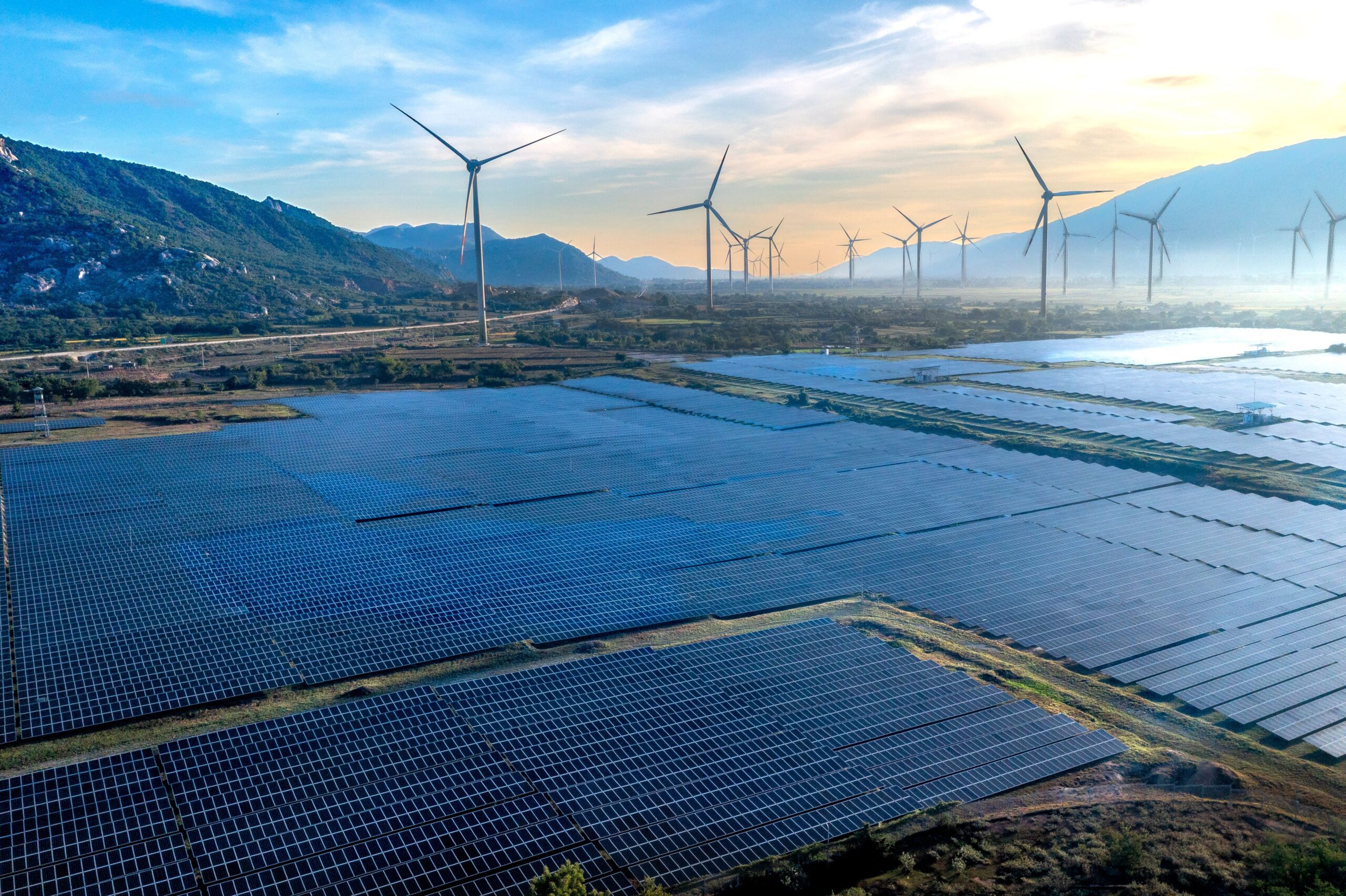
- Renewable-powered data centers: major tech companies are investing in solar, wind, and even nuclear energy agreements to power their computing centers.
- Innovative cooling: liquid cooling systems and even underwater data centers represent experimental solutions to reduce water and energy consumption.
- Smart scheduling: shifting computational workloads to times and regions where renewable energy is more abundant can significantly reduce the carbon footprint.
Transparency and Accountability
Another important front concerns transparency: more organizations are demanding that AI companies publish detailed reports on the environmental impact of their models, including metrics like CO2 emissions per training run and per query. This transparency would allow developers and users to make more informed choices, favoring services that demonstrate a concrete commitment to sustainability.
A Look at the Future
The future of sustainable artificial intelligence won’t depend solely on technology, but also on public policy and consumer choices. Regulations requiring minimum energy efficiency standards, incentives for adopting green infrastructure, and greater collective awareness could accelerate this transition. At the same time, academic research is exploring radically new neural network architectures, inspired by how the human brain works, capable of performing complex tasks with a fraction of the energy required by current systems.
The challenge is clear: making artificial intelligence not just smarter, but also more responsible toward the planet. The success of this transition will determine whether AI can truly be a positive force for human progress without compromising the environmental balance of future generations.