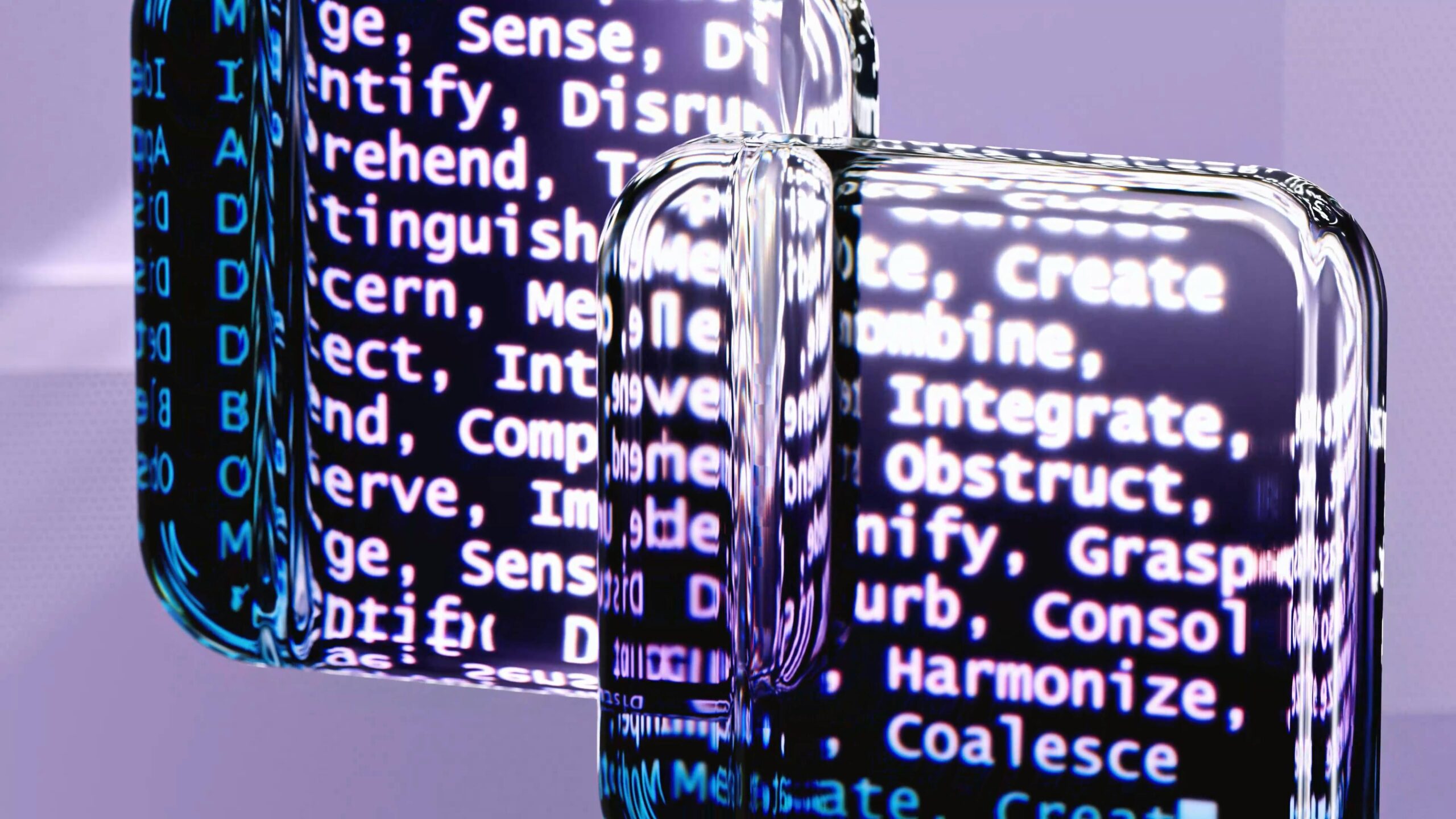
Generative artificial intelligence is revolutionizing how we create content, from text to images, music to code. This technology promises to radically transform our approach to creativity and productivity.
Generative artificial intelligence represents one of the most significant advances in recent years in the AI field. Unlike traditional systems that analyze and classify existing data, generative AI is capable of creating completely new content, opening infinite possibilities across various sectors.
What Makes Generative AI Special
Generative AI models, such as GPT, DALL-E, and Midjourney, use advanced neural architectures to understand complex patterns in data and generate original outputs. These systems are trained on massive datasets containing texts, images, audio, and other content types, allowing them to “learn” the underlying rules of human creativity.
The fundamental principle is the ability to predict and generate probabilistic sequences, whether they are words in text, pixels in an image, or notes in a musical composition.
Revolutionary Applications
Generative AI applications are transforming numerous sectors:
- Marketing and Advertising: Automatic creation of personalized advertising content, slogans, and creative campaigns
- Entertainment: Generation of screenplays, video game characters, and cinematic special effects
- Design and Architecture: Automatic design of buildings, interiors, and industrial products
- Software Development: Code generation, automatic debugging, and algorithm optimization
- Education: Creation of personalized educational materials and interactive simulations
Challenges and Ethical Considerations
Despite enormous potential, generative AI also presents significant challenges. The issue of copyright is particularly complex: who owns the rights to a work created by artificial intelligence? Additionally, the ability to generate extremely realistic content raises concerns about the spread of disinformation and deepfakes.
It’s essential to develop ethical and regulatory frameworks that balance innovation with social responsibility, ensuring this technology is used for the common good.
The Future of Artificial Creativity
The evolution of generative AI promises even more exciting developments. Researchers are working on increasingly sophisticated multimodal models capable of combining text, images, audio, and video into complex and coherent creations.
In the future, we might see the emergence of personalized “creative assistants” that collaborate with humans in real-time, amplifying our creative capabilities rather than replacing them. The goal is not to eliminate human creativity, but to enhance it through increasingly powerful and intuitive tools.