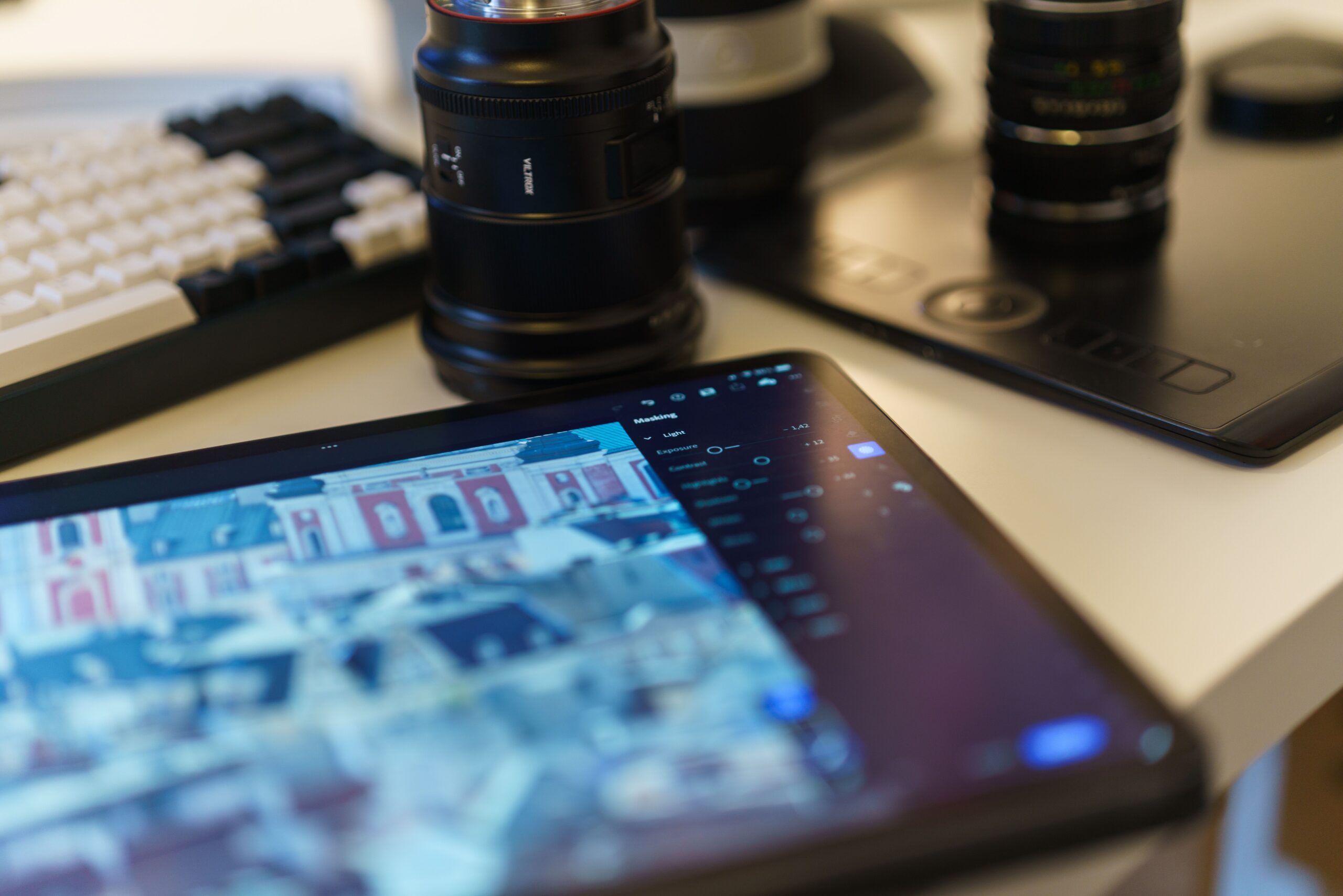
From contemporary art galleries to design studios, generative AI is transforming how visual images and artworks are created, curated, and sold. A journey through tools, artists, and new questions about authorship and aesthetic value.
In recent years, the visual arts have undergone a transformation comparable to the one triggered by the invention of photography in the 19th century. Tools like Midjourney, DALL-E, and Stable Diffusion now allow anyone to generate complex images from simple text descriptions, opening unprecedented scenarios for artists, photographers, and graphic designers.
This revolution doesn’t just concern the technical production of images—it touches on deeper questions: what does it mean to be the author of a work when its material execution is entrusted to an algorithm? Who holds the rights to an image generated by a model trained on millions of existing works, often without the original creators’ consent?
New Tools, New Creative Practices
Image generation software is becoming an integral part of the creative workflow across many professional fields. Here are some of the most significant applications:
- Concept art and pre-production: Film and video game studios use AI to quickly generate preliminary visions of settings and characters.
- Computational photography: Upscaling and restoration algorithms allow recovering details in damaged or low-resolution images.
- Graphic design and branding: Creative agencies use AI to quickly generate variants of logos, color palettes, and layouts.
- Pure generative art: Artists like Refik Anadol transform datasets into immersive installations that redefine the relationship between data and aesthetic perception.
The Authorship Debate
The art world has split between enthusiasts and skeptics. On one hand, some see generative AI as a new paintbrush—a tool that amplifies the artist’s vision without replacing it. On the other, many photographers and illustrators denounce unfair competition, fueled by models trained on copyrighted image archives without authorization.
Recent legal cases, such as those brought by stock photography agencies against generative AI companies, are shaping the legal boundaries of this new frontier. Meanwhile, platforms like Adobe have begun offering generative AI tools trained exclusively on licensed content, attempting to reconcile innovation with respect for copyright.
Toward a New Hybrid Aesthetic
Beyond the legal issues, a new visual aesthetic is emerging, recognizable by certain characteristics typical of algorithmic generation: peculiar textures, dreamlike compositions, a sense of hyperrealism bordering on the uncanny valley. This visual language is also influencing art made with traditional means, creating an ongoing dialogue between painting, photography, and synthetic generation.
Some museums and galleries have begun exhibiting works co-created with AI, raising questions about curation and market value. The most prestigious auction houses are grappling with how to classify and value these new forms of expression, while collectors and art critics search for new criteria to distinguish authentic innovation from mere technological novelty.
The future of visual arts seems destined to become increasingly hybrid: not a replacement of the human artist, but an expansion of creative possibilities, where the main challenge will become distinguishing between tool and intention, between technique and authorial vision.