From biomechanical analysis to real-time performance monitoring, AI is transforming how athletes and coaches prepare for competition. A journey through technology, data, and the new frontiers of professional and amateur sports.
The world of sports is undergoing a silent but profound transformation, driven by artificial intelligence. It’s no longer just about stopwatches and notebooks: today sophisticated algorithms analyze every movement, every heartbeat, every tactical decision, offering athletes and technical staff tools unimaginable just a decade ago.
Biomechanical Analysis Serving Performance
Thanks to wearable sensors and computer vision systems, it’s now possible to break down athletic movement into thousands of micro-data points. A basketball shot, a 100-meter sprint, or a golf swing are analyzed frame by frame, allowing identification of biomechanical inefficiencies invisible to the human eye. Professional soccer, basketball, and tennis teams already use these technologies to prevent injuries, optimize technique, and personalize training plans based on each athlete’s individual physical characteristics.
Real-Time Monitoring
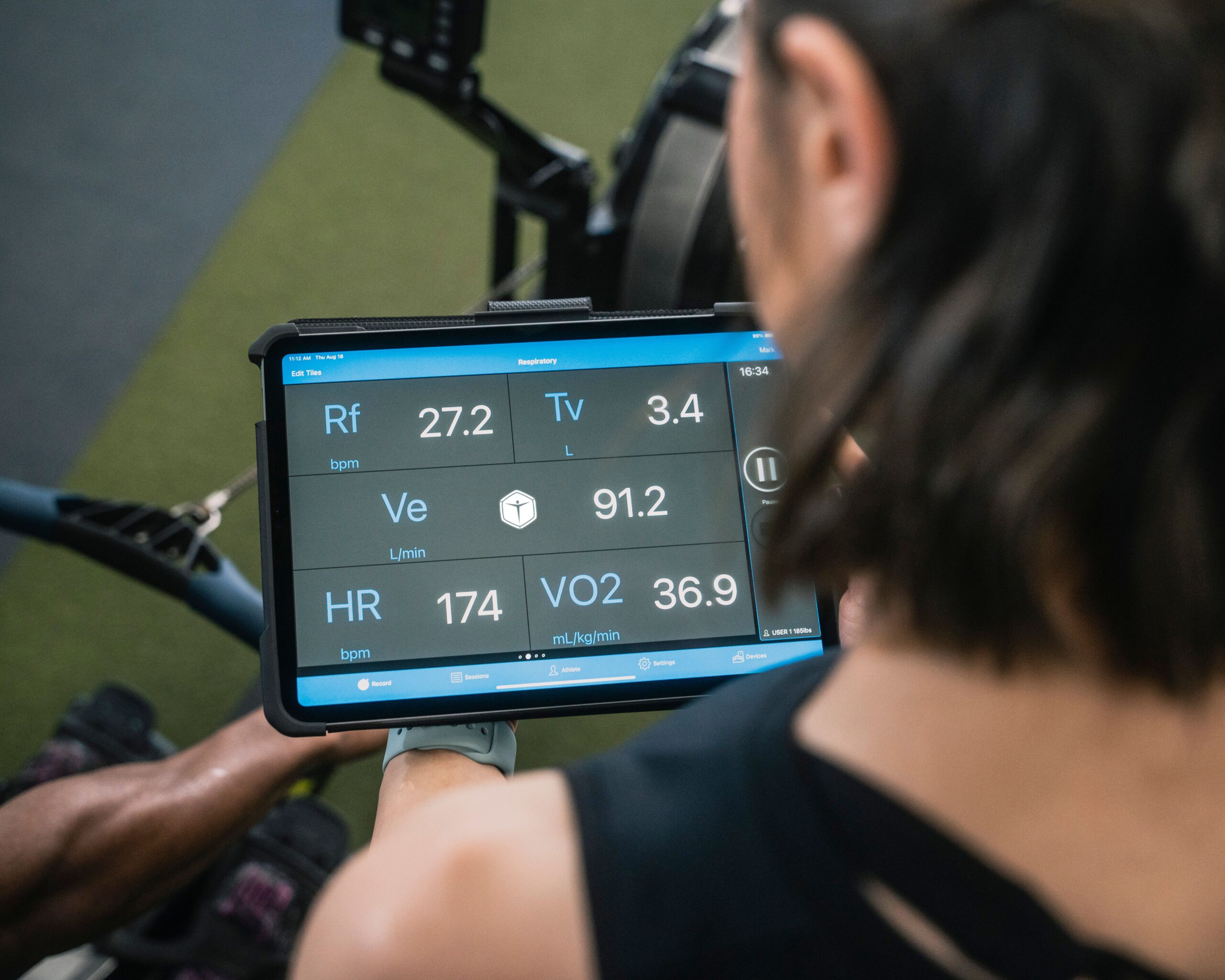
During training sessions and competitions, connected devices constantly collect data on heart rate, lactate levels, speed, and acceleration. These information flows are processed by machine learning algorithms capable of predicting an athlete’s fatigue level and suggesting real-time adjustments to exercise intensity. Some European soccer teams have adopted systems that alert medical staff when a player shows predictive signs of muscle injury, enabling preventive interventions before the problem clinically manifests.
Tactics Redesigned by Data
AI isn’t limited to the physical component: it’s also revolutionizing strategy. Video analysis software processes hundreds of matches to identify recurring patterns in opponents, weaknesses in defenses, and favorable game situations. In soccer, some clubs use platforms that automatically generate tactical reports after each match, highlighting the most exploited areas of the field and opponents’ movements.
- Injury Prevention: predictive algorithms analyze workloads and physiological signals to reduce injury risk
- Smart Scouting: AI systems identify emerging talent by analyzing global statistics and match footage
- Training Personalization: customized plans based on genetic, physiological, and behavioral data
- Virtual Coaching: applications offering immediate feedback during exercise execution
Amateur Sports in the AI Era
This revolution doesn’t only concern professionals. Smartphone and smartwatch apps make analysis tools available to everyone that were reserved for sporting elites just a few years ago. Amateur runners can receive personalized training plans generated by algorithms that account for every previous session, while fitness enthusiasts have access to virtual coaches capable of correcting posture during exercises through the phone’s camera.
Ethical Challenges and the Future
With increased data collection, important questions also emerge: who owns athletes’ biometric information? How can we ensure algorithmic analysis doesn’t become a tool for discrimination in talent selection? The sports sector will need to address these issues with the same determination it has shown in embracing technological innovation, building solid ethical frameworks that protect athletes while preserving the benefits of innovation.
The future of sports will increasingly be a synthesis between human talent and artificial intelligence, where data becomes a fundamental ally in pushing the limits of human performance toward new horizons.