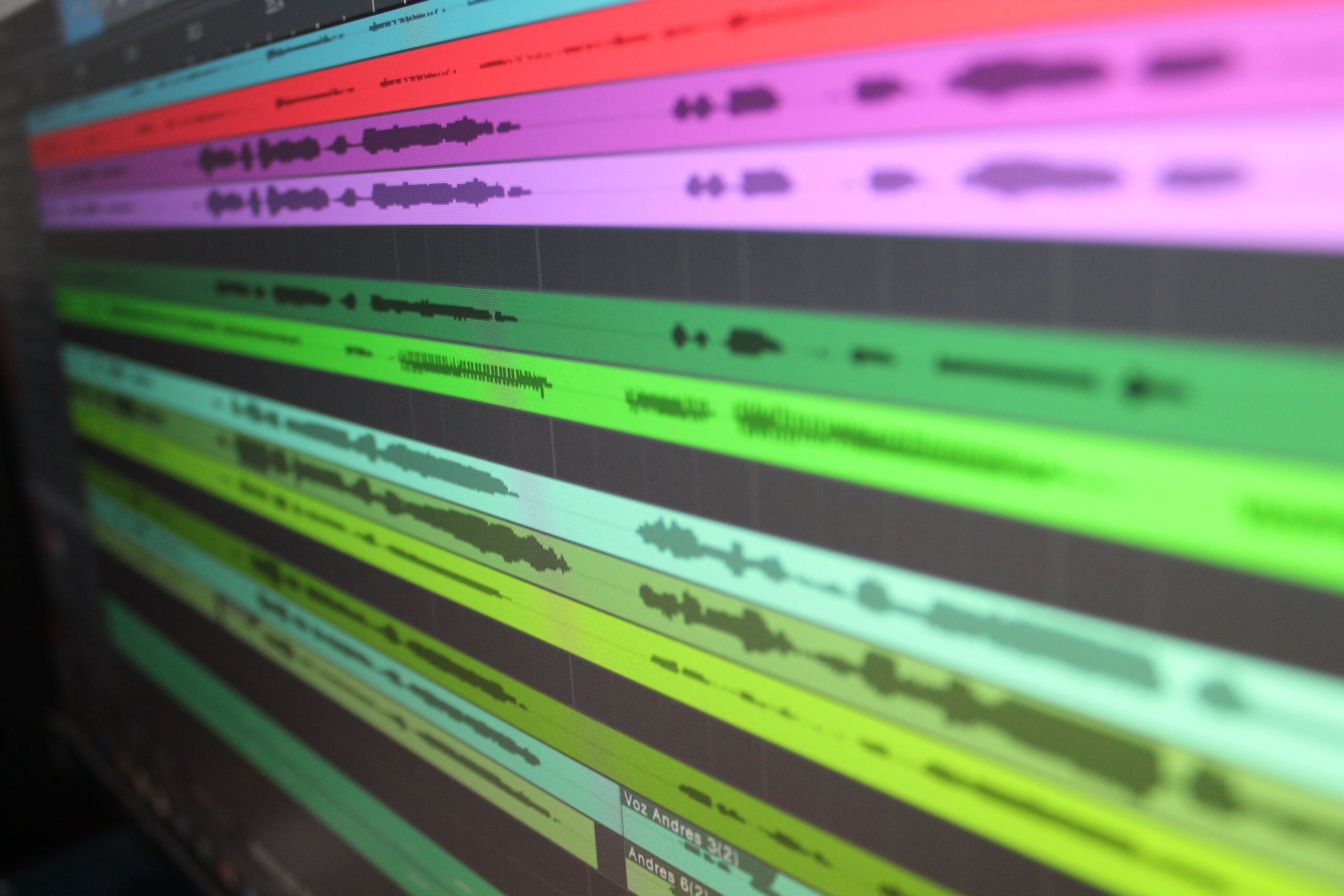
From automated composition tools to systems that separate audio tracks and generate synthetic voices, AI is transforming every phase of music production. A journey through creative opportunities, copyright issues, and the new relationship between musicians and machines.
Music has always been one of the most fascinating grounds for artificial intelligence applications. In recent years, tools capable of generating melodies, arranging entire tracks, or cloning vocal timbres have moved from research labs into the hands of producers, composers, and everyday enthusiasts, redefining what it means to ‘make music’ in the twenty-first century.
From Assisted Composition to Autonomous Generation
Early AI music systems were limited to suggesting chords or completing unfinished melodies. Today, thanks to generative models trained on vast sound archives, it’s possible to create complete tracks starting from a simple text description: genre, mood, instrumentation. Platforms like Suno and Udio have made this technology accessible to anyone, allowing an idea to become a song within minutes.
These tools don’t necessarily replace the musician but expand their possibilities: a composer can use AI to quickly explore dozens of harmonic variations, or a producer can generate instrumental beds to build an original project upon.
Track Separation and Sound Restoration
One of the most concrete uses of AI in music concerns audio processing. Source separation algorithms can isolate vocals, drums, bass, and other instruments from an already finalized mix, an operation unthinkable just a few years ago. This technology is used for:
- Creating remixes and mashups from existing tracks
- Restoring historical recordings by removing noise and distortion
- Producing backing tracks for karaoke or instrumental practice
- Facilitating the remastering of pre-digital era albums
Major record labels have already used these techniques to re-release high-quality versions of archival recordings that would otherwise be unrecoverable.
Synthetic Voices and Voice Cloning
A particularly delicate chapter concerns voice synthesis. Models capable of replicating a specific singer’s timbre allow new performances to be generated without the actual artist needing to sing. While this opens extraordinary creative possibilities, such as impossible duets between artists from different eras, it also raises urgent questions about consent, artistic identity, and vocal likeness rights.
Several countries are working on specific regulations to protect voice as a distinctive personal trait, while major labels negotiate agreements with tech companies to regulate the commercial use of these tools.
The Copyright Debate
The most controversial issue concerns training models on copyrighted musical repertoires. Numerous lawsuits are underway worldwide, filed by labels and rights management societies against companies developing generative music AI. The central question is whether machine learning from protected works constitutes fair use or infringement, and how any such use should be compensated.
A New Creative Ecosystem
Despite legal tensions, the music industry is progressively integrating these tools into professional workflows. Recording studios, video game soundtracks, and advertising productions already use AI to accelerate prototyping phases that traditionally took weeks.
The future of music will probably not be dominated by machines, but by a hybrid collaboration in which artificial intelligence becomes an additional tool in the musician’s toolkit, capable of amplifying human creativity rather than replacing it entirely.