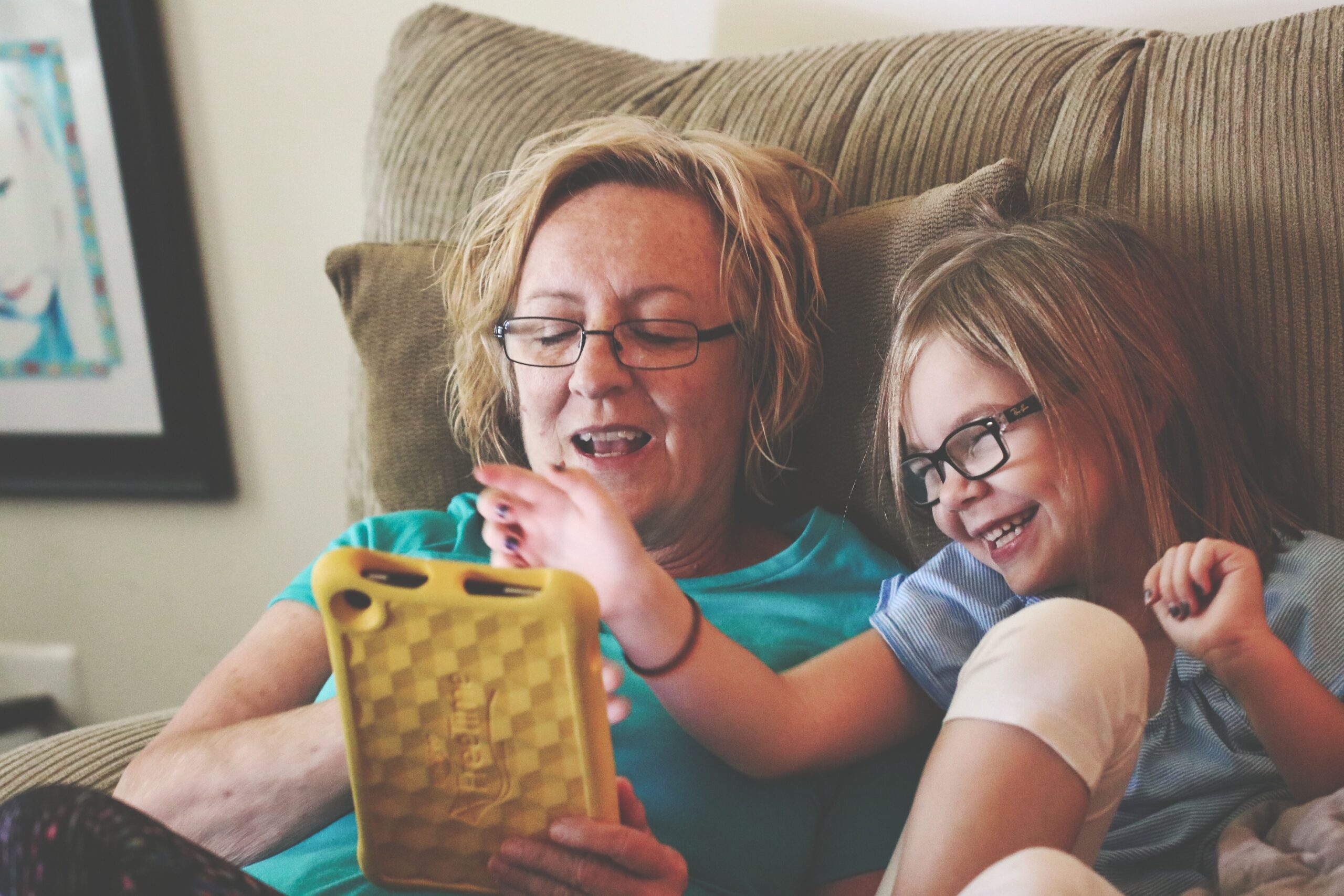
AI is reshaping family dynamics, creating new forms of dialogue but also unprecedented distances between generations. From grandparents learning to use voice assistants to digital natives who take artificial intelligence for granted, the family becomes a social laboratory of change.
Artificial intelligence is not only transforming work and the economy, but also the most intimate fabric of society: the family. Grandparents, parents and children today experience very different relationships with technology, generating a generational divide that takes new forms compared to the past.
If the technological gap once mainly concerned the use of computers and smartphones, today the challenge is subtler: understanding, trusting and living alongside systems that make decisions, suggest content and even simulate human conversation. For many older adults, learning to interact with a voice assistant or chatbot becomes an opportunity for digital inclusion, but also a source of anxiety and distrust.
Grandparents and AI: between opportunity and fear
Numerous social projects are introducing artificial intelligence as a support tool for the elderly population: medication reminders, conversational companionship against loneliness, smart home safety systems. However, a widespread fear remains linked to privacy, understanding AI decision-making mechanisms, and the risk of dependency on tools that are not fully under one’s control.
Many elderly people rely on their grandchildren to set up devices and apps, creating a curious reversal of traditional educational roles: it is the young who teach the old, inverting the classic transmission of knowledge from grandparent to grandchild.
Parents in the middle: mediators and gatekeepers
The parents’ generation finds itself in a delicate position: on one hand it must manage the introduction of AI into their children’s daily lives, on the other it must update itself so as not to fall behind. Tools such as AI-based school tutors, smart content filters, and personalized educational platforms require parents to develop new digital supervision skills.
- Understanding how the algorithms influencing their children work
- Setting balanced usage rules for chatbots and virtual assistants
- Fostering open dialogue about the risks and benefits of artificial intelligence
- Avoiding both total rejection and uncritical acceptance of technology
AI natives: a generation that has never known a world without artificial intelligence
Today’s children and teenagers grow up with voice assistants that answer their questions, recommendation systems that suggest what to watch or listen to, and AI-assisted writing tools for homework. For them, AI is not an extraordinary novelty but a natural element of everyday life, just as the internet was for millennials.
This leads to a radically different perception of technology: less amazement, but also less critical awareness of its limits and risks. Educating new generations toward a critical and responsible use of artificial intelligence therefore becomes a fundamental educational priority, to be paired with traditional digital literacy.
Rebuilding intergenerational dialogue
Paradoxically, artificial intelligence can also become a bridge between generations: shared digital literacy projects, family workshops on the conscious use of chatbots, and moments of joint discovery of new applications can turn the divide into an opportunity for mutual growth.
The challenge for society is not to prevent AI from entering families, but to accompany its arrival with cultural and educational tools that allow each generation to find its own balance, leaving no one behind and without giving up the irreplaceable value of direct human dialogue.