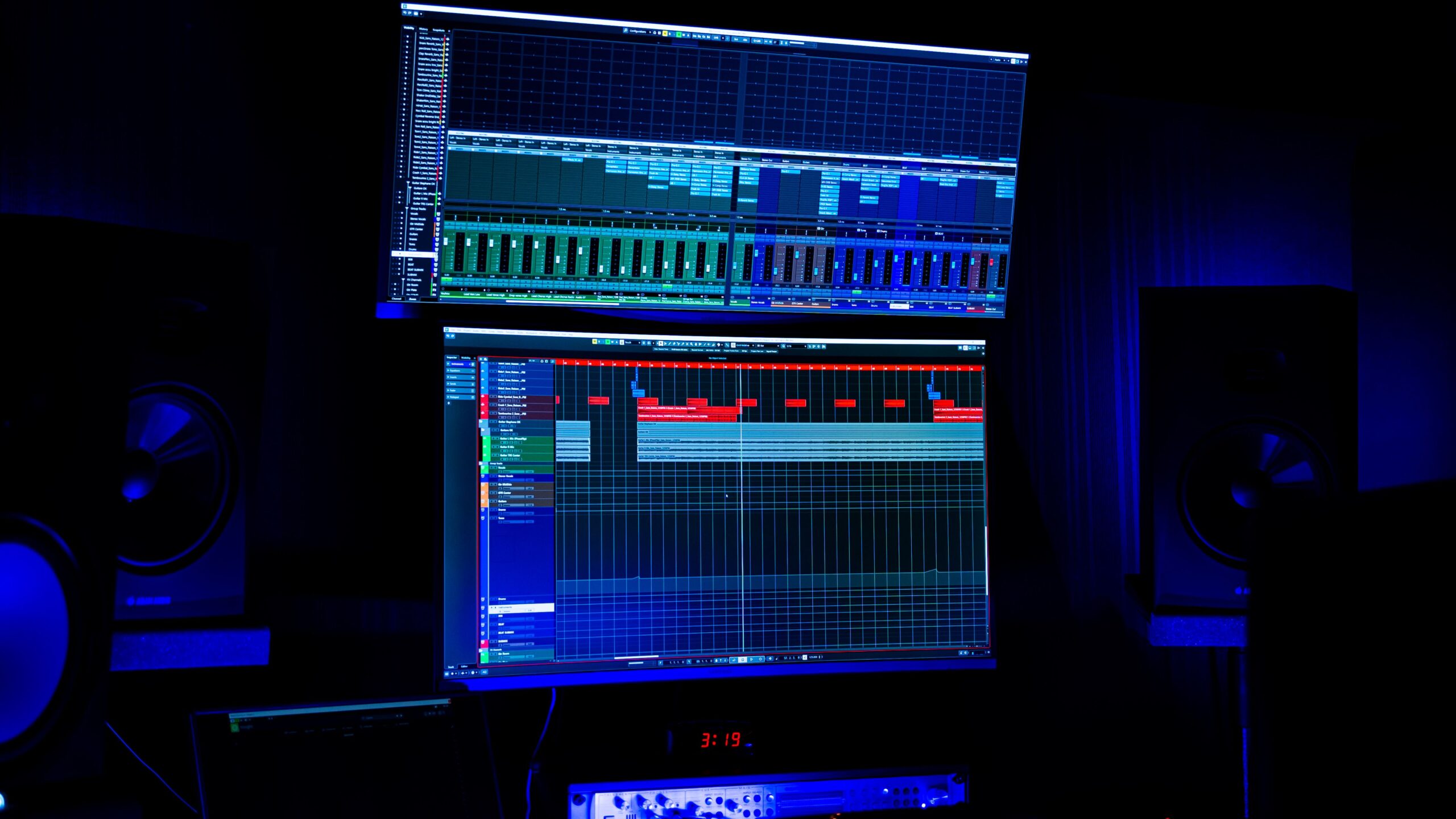
Discover how neural networks and deep learning models are learning to compose original music, from automatic accompaniment to complete soundtracks. A journey between technology and artistic creativity.
Music has always been considered one of the most intimate and human territories of creativity. Yet in recent years, artificial intelligence has made giant strides in this field, proving capable of composing melodies, harmonies, and even entire orchestral scores with surprising quality. This phenomenon, known as generative music AI, is redefining the relationship between technology and sonic art.
How Algorithmic Composition Works
At the core of these systems are deep neural networks trained on enormous databases of existing musical compositions, spanning classical, jazz, pop, and electronic genres. Through techniques like generative adversarial networks (GANs) and transformer models, AI learns to recognize harmonic patterns, rhythmic structures, and melodic progressions typical of each musical genre.
The learning process doesn’t simply memorize note sequences, but attempts to understand the implicit rules of music theory: harmonic tension and resolution, thematic development, dynamic variations. The result is a system capable of generating music that respects these conventions while producing original output never heard before.
Practical Applications in the Creative Sector
The potential of this technology extends well beyond simple technological curiosity:
- Composing soundtracks for video games and low-budget film productions
- Creating personalized advertising jingles in extremely fast timeframes
- Co-creation tools for musicians seeking inspiration or looking to overcome creative block
- Generating adaptive ambient music for applications, stores, and public spaces
- Automatic accompaniment for amateur musicians who want to play with a virtual band
Artists like Holly Herndon have already experimented with direct collaborations with artificial intelligence, using it not as a replacement but as a creative partner capable of suggesting unexpected directions.
The Challenges of Artificial Expressiveness
Despite technical progress, fundamental questions remain about the nature of musical expression generated by algorithms. Human music carries emotions, lived experiences, and intentionality born from personal history. Can an AI, devoid of consciousness and direct emotional experience, produce works that truly resonate with listeners on a deep level?
Music neuroscience studies suggest that listeners often cannot distinguish AI-generated compositions from human ones in blind tests, especially for genres with well-defined structures like Baroque music or certain electronic styles. This raises interesting philosophical questions about the very concept of creativity: is consciousness necessary to produce meaningful art, or is the ability to generate aesthetically valid patterns sufficient?
The Future of Hybrid Composition
The model that seems to be emerging is not one of replacing the human composer, but of symbiotic collaboration. Future musicians might use AI as an additional tool in their creative toolkit, just as synthesizers or music production software are used today.
This technological evolution invites us to reflect on what it truly means to create art in an era when machines can imitate, and sometimes surpass, some of our most celebrated expressive capabilities.