Energy AI is revolutionizing how we produce, distribute, and consume energy, optimizing electrical grids and accelerating the transition to renewables. This technology promises to reduce consumption by 20-30% in the coming years.
Artificial intelligence is emerging as one of the most decisive factors in the transformation of the global energy sector. Energy AI represents a new technological frontier that uses advanced algorithms to optimize every aspect of energy production, distribution, and consumption, significantly contributing to environmental sustainability goals.
Smart Grids and Intelligent Network Management
AI-powered smart electrical grids are revolutionizing how energy is distributed. These systems use machine learning algorithms to analyze consumption patterns in real-time, predict demand peaks, and automatically balance energy supply. The result is a waste reduction that can reach 15-20% compared to traditional systems.
AI also enables more efficient integration of renewable sources into the grid, compensating for their intermittent nature through advanced weather forecasting and intelligent storage systems.
Industrial and Domestic Consumption Optimization
In the industrial sector, Energy AI is transforming production processes through:
- Predictive maintenance: algorithms that predict equipment failures before they occur, reducing downtime and energy consumption
- Process optimization: systems that automatically regulate temperature, lighting, and ventilation based on real needs
- Intelligent load management: optimal energy distribution among different machinery to minimize costs
Even in the domestic sphere, AI-based home automation systems are enabling consumers to significantly reduce energy bills by learning from residents’ habits and automatically adapting consumption patterns.
Renewable Energy Acceleration
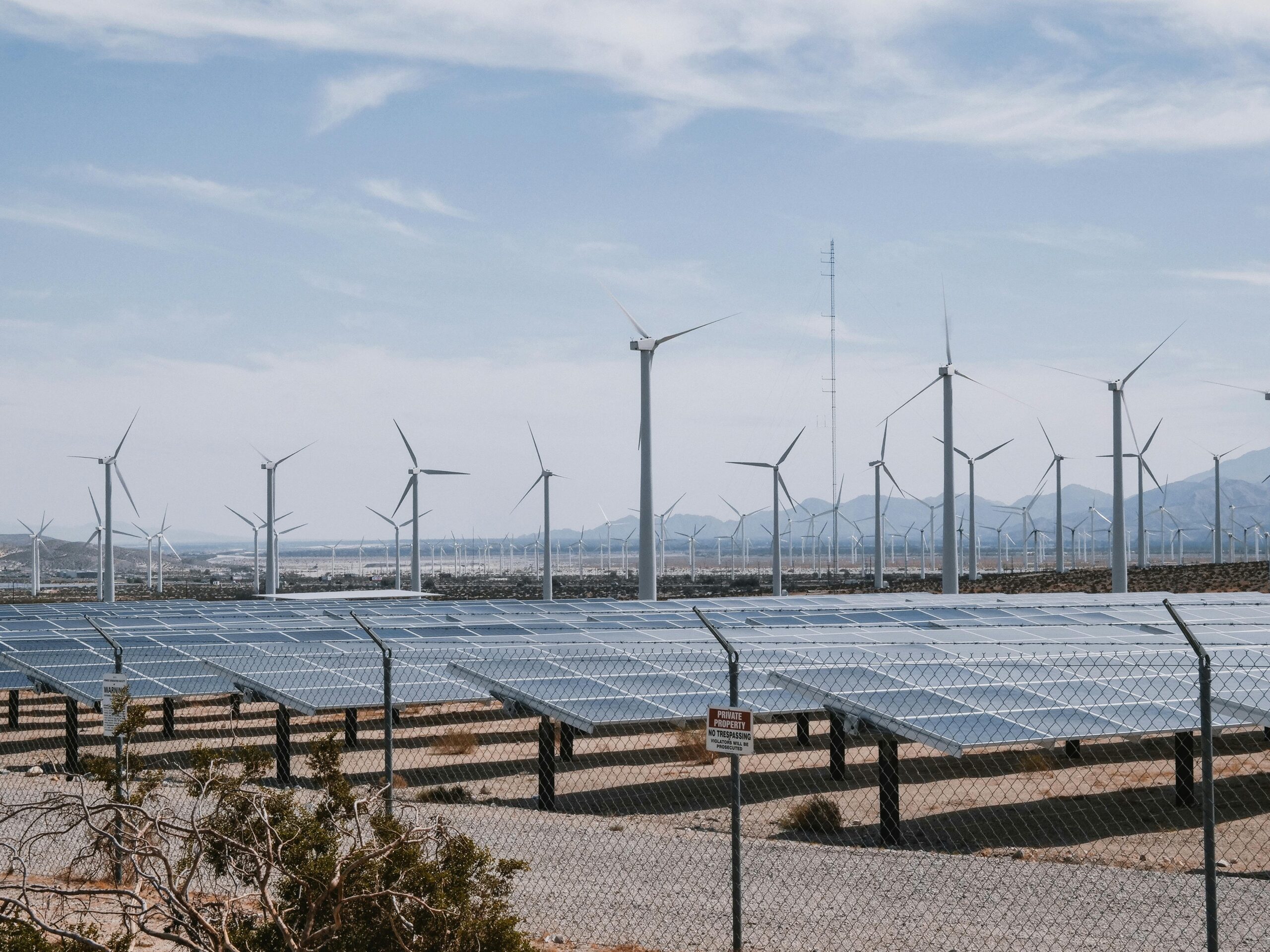
Artificial intelligence is playing a crucial role in the expansion of renewable energy. AI algorithms analyze vast amounts of meteorological data to optimize the placement of solar panels and wind turbines, maximizing energy production.
Additionally, AI enables more efficient management of energy storage systems, deciding when to store energy and when to release it into the grid based on demand forecasts and weather conditions.
Challenges and Future Prospects
Despite evident advantages, implementing Energy AI presents significant challenges. The need for investments in digital infrastructure, specialized personnel training, and cybersecurity issues represent obstacles to overcome.
However, prospects are extremely positive: according to experts, by 2030 Energy AI could contribute to reducing global CO2 emissions by 4% and generate economic savings of over 5 trillion dollars worldwide.
Energy AI is not just a technological trend, but an imperative necessity to address the climate crisis and build a sustainable and efficient energy future.