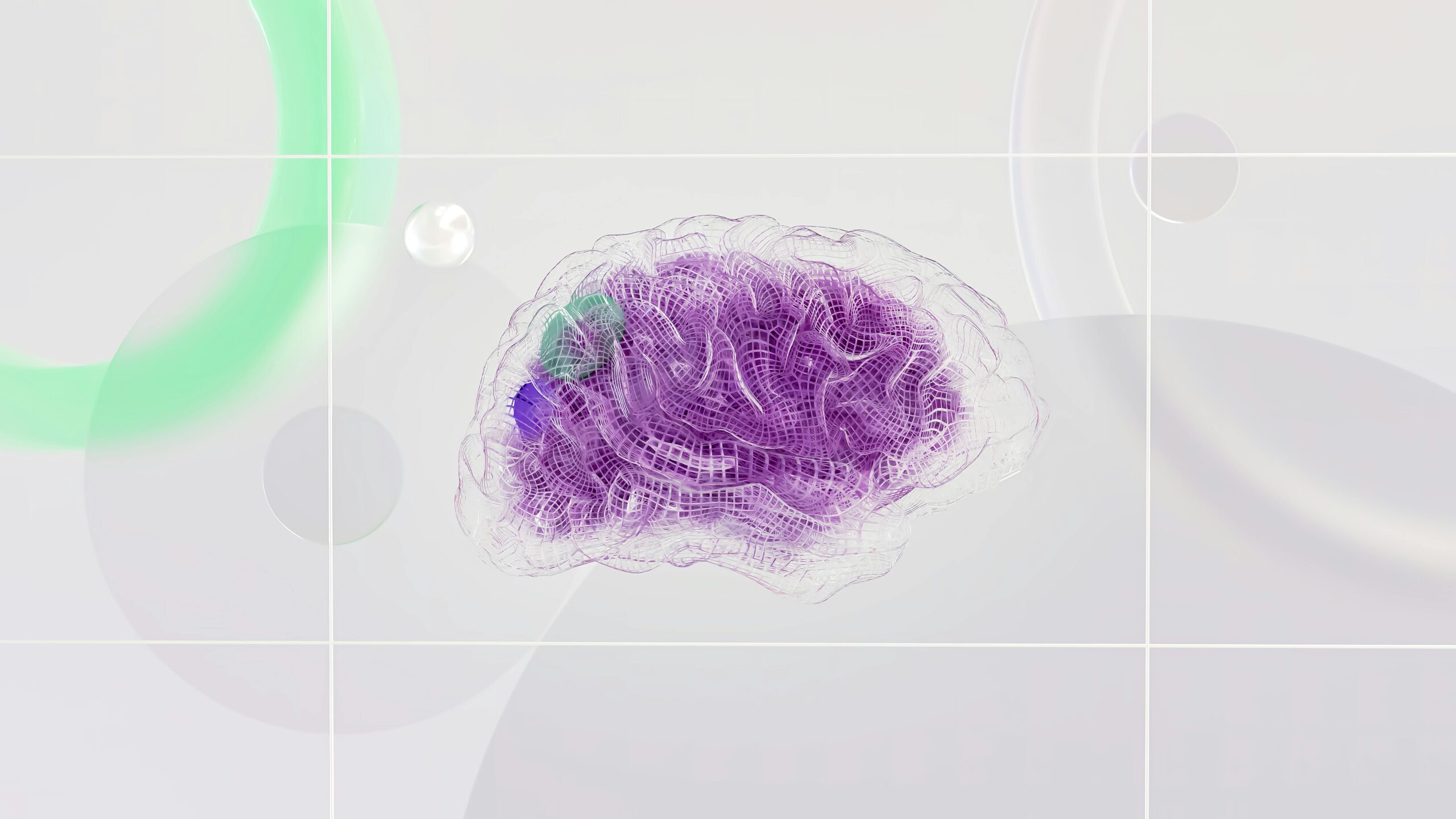
Discover how Continual AI revolutionizes machine learning by enabling systems to acquire new knowledge without losing previous learning. A technology that promises to solve one of the most critical problems in modern artificial intelligence.
One of the most significant limitations of traditional artificial intelligence is the phenomenon known as “catastrophic forgetting”: when an AI system learns something new, it tends to forget what it had learned previously. Continual AI (Continual Learning AI) represents a revolutionary breakthrough that promises to overcome this fundamental limitation.
What is Continual AI?
Continual AI is a machine learning paradigm that enables artificial intelligence systems to acquire new knowledge and skills over time while maintaining previously learned information intact. This technology draws inspiration from how the human brain works: we continue learning throughout our lives without completely forgetting past experiences.
Unlike traditional models that require complete retraining to incorporate new data, Continual AI enables incremental and adaptive learning, making systems more flexible and computationally efficient.
Key Technologies
Several technological strategies make Continual AI possible:
- Rehearsal-based methods: Maintain representative samples of previous data to prevent knowledge loss
- Regularization techniques: Use mathematical constraints to preserve important neural weights during new task learning
- Parameter isolation: Dedicate specific model parameters to different tasks, avoiding interference
- Meta-learning approaches: Develop algorithms that “learn to learn” more effectively
Practical Applications and Benefits
Continual AI finds applications in numerous strategic sectors. In healthcare, it allows diagnostic systems to adapt to new pathologies while maintaining expertise on already known ones. In the automotive industry, it enables autonomous vehicles to learn from new road scenarios without losing already acquired driving skills.
In customer service, chatbots can expand their knowledge of new products or services without forgetting how to handle existing requests. This capability is particularly valuable for companies operating in dynamic and continuously evolving markets.
Challenges and Future Prospects
Despite significant progress, Continual AI still faces several technical challenges. Balancing stability and plasticity remains a complex problem: maintaining existing knowledge while limiting the ability to learn new information.
Future prospects are nevertheless very promising. Researchers are working on increasingly sophisticated neural architectures that could lead to truly autonomous and adaptive AI systems, capable of continuously evolving in response to changes in the operating environment.
Continual AI represents a fundamental step toward creating more robust, efficient, and human-like artificial intelligence systems, opening new possibilities for more advanced and versatile AI applications.