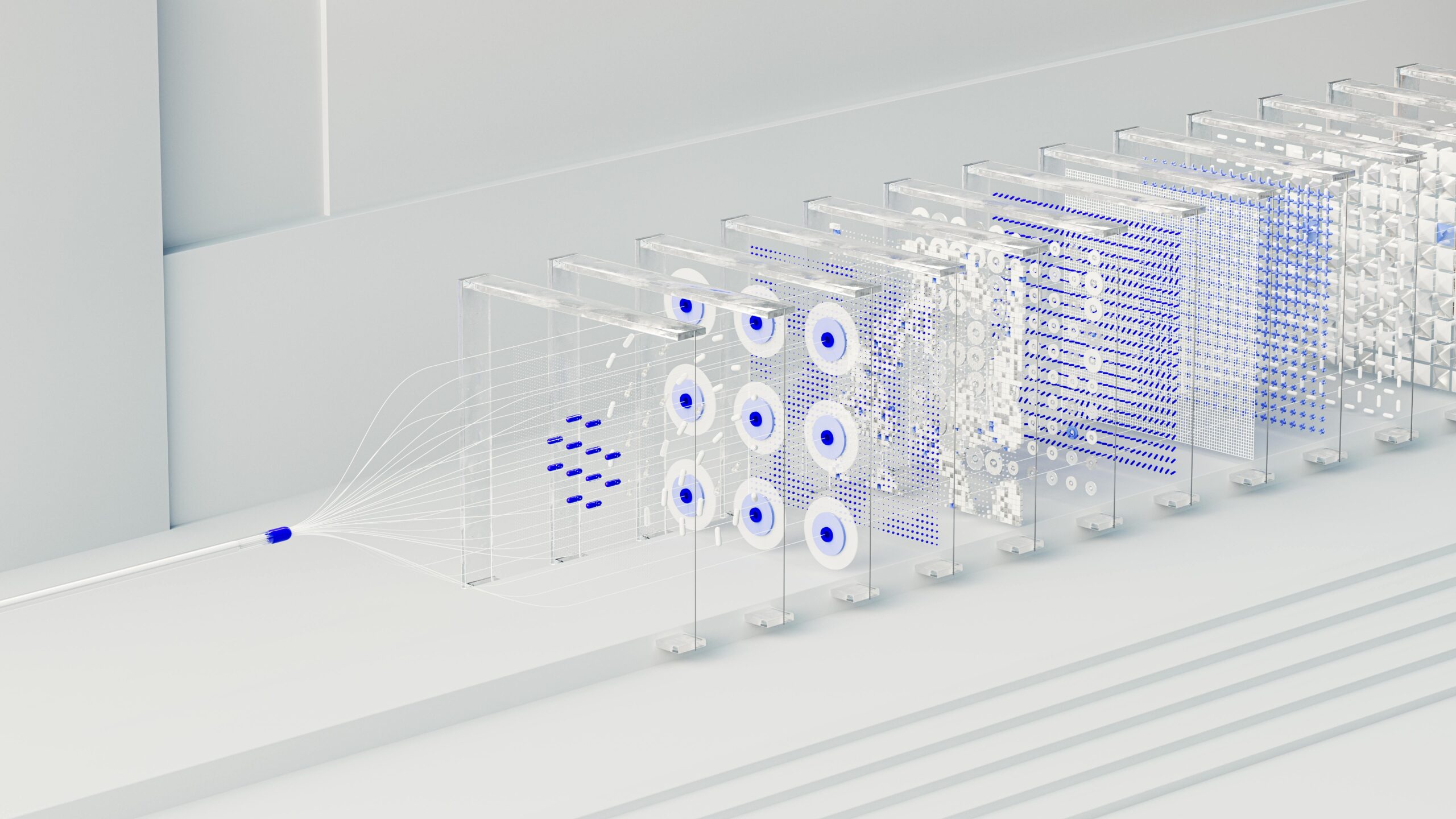
Autonomous AI represents the next major leap in artificial intelligence evolution, featuring systems capable of making decisions and acting independently. From self-driving cars to virtual agents, this technology promises to revolutionize our relationship with intelligent machines.
Autonomous artificial intelligence represents one of the most fascinating and promising sectors of contemporary technological evolution. Unlike traditional AI systems that require constant input and human supervision, autonomous AI is designed to operate independently, making complex real-time decisions without external intervention.
What is Autonomous AI?
Autonomous AI refers to artificial intelligence systems capable of perceiving their surrounding environment, processing information, making decisions, and acting accordingly in a completely independent manner. These systems combine advanced technologies such as machine learning, computer vision, natural language processing, and robotics to create self-managed digital or physical entities.
The distinctive characteristic of autonomous AI is its ability to adapt to unexpected situations and continuously learn from experience, improving performance without the need for manual reprogramming.
Revolutionary Applications
The field of autonomous AI applications is vast and continuously expanding:
- Autonomous Vehicles: Self-driving cars represent the most well-known example, capable of navigating traffic, recognizing obstacles, and making safety decisions in milliseconds
- Intelligent Drones: Used for deliveries, surveillance, and rescue operations, they can autonomously adapt their routes based on weather conditions and obstacles
- Domestic Robots: Robotic assistants that autonomously manage household chores, security, and elderly care
- Virtual Agents: Software systems that autonomously manage financial transactions, customer service, and complex business processes
Levels of Autonomy
Autonomous AI is not a binary concept but articulates across different levels of independence. Experts classify autonomy into five main levels: from minimal assistance (Level 1) to complete autonomy (Level 5), where the system operates without any human control or supervision.
Currently, most commercial applications fall between Level 2 and 3, with systems that still require human supervision in critical situations. The long-term goal is to achieve Level 5 in specific sectors within the next decade.
Future Challenges and Opportunities
The development of autonomous AI presents significant challenges, including safety, reliability, and legal responsibility issues. However, the opportunities are immense: this technology is predicted to increase operational efficiency by 40-60% in many sectors, reducing human errors and operational costs.
The future of autonomous AI promises a world where intelligent machines will work alongside humans, autonomously managing complex and dangerous tasks, freeing human potential for more creative and strategic activities.