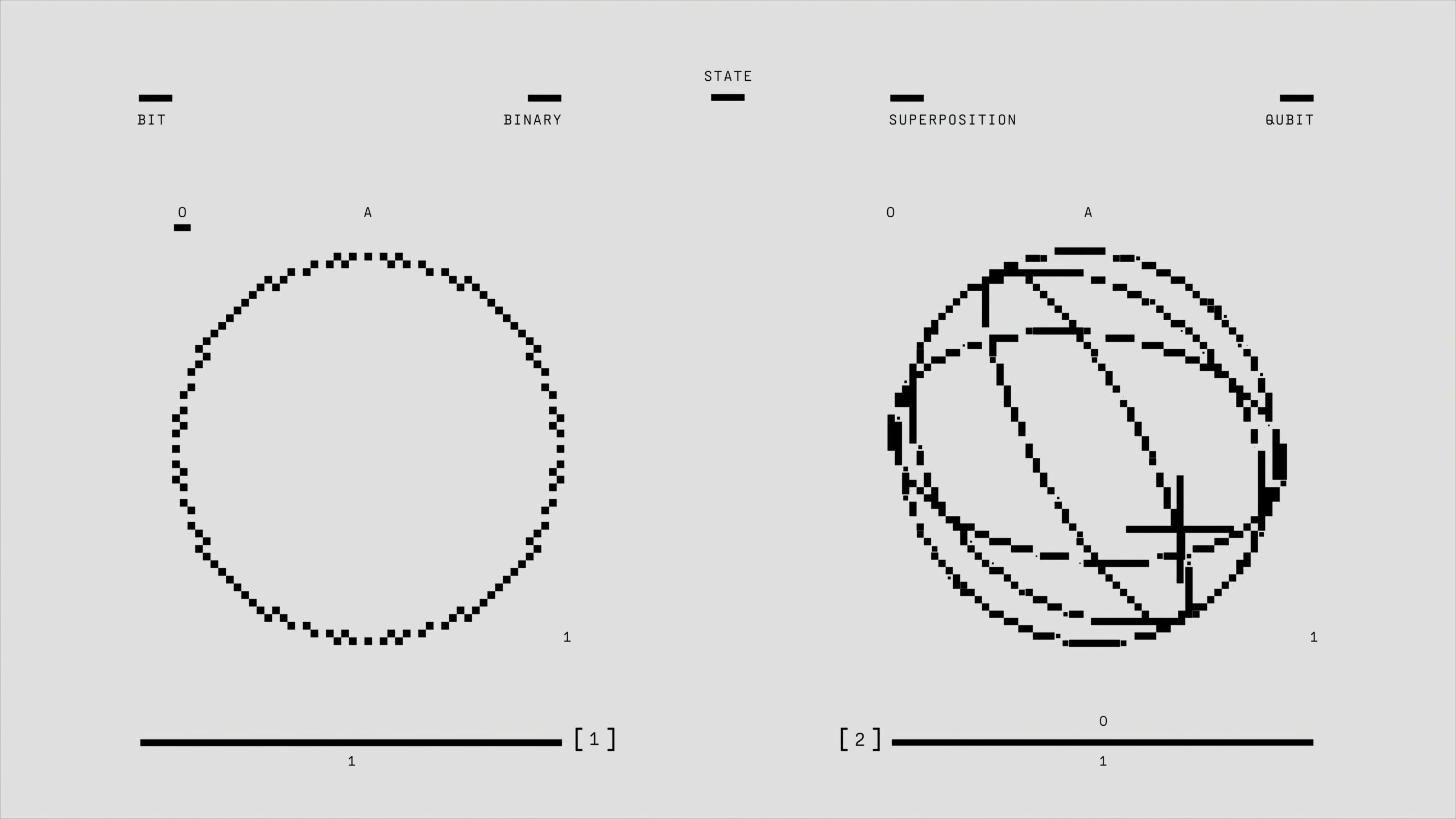
Quantum AI represents the most advanced frontier of technological innovation, combining quantum mechanics principles with machine learning. This convergence promises to revolutionize sectors like cryptography, drug discovery, and complex optimization.
Quantum artificial intelligence (Quantum AI) is emerging as one of the most promising technologies of the next decade, combining the revolutionary potential of quantum computing with the versatility of machine learning. This technological fusion opens unprecedented scenarios for solving computational problems considered intractable until today.
What is Quantum AI
Quantum AI leverages fundamental principles of quantum mechanics – superposition, entanglement, and interference – to process information in radically different ways compared to classical computers. While traditional bits exist in binary states (0 or 1), quantum qubits can exist in superposition of both states simultaneously, enabling parallel computations on an exponential scale.
Revolutionary Advantages
The convergence between quantum computing and AI offers extraordinary computational advantages:
- Exponential speed: Some quantum algorithms can solve specific problems thousands of times faster than classical systems
- Advanced optimization: Capability to simultaneously explore multiple solutions in complex search spaces
- Superior pattern recognition: Recognition of hidden patterns in massive datasets through quantum correlations
- Molecular simulation: Precise modeling of natural quantum systems for drug discovery and materials science
Concrete Applications
Quantum AI applications are already showing promising results across various sectors. In finance, quantum algorithms optimize investment portfolios by analyzing thousands of variables simultaneously. In pharmaceuticals, quantum simulation accelerates the discovery of new therapeutic molecules, reducing development times from decades to just a few years.
In cybersecurity, Quantum AI is revolutionizing both attack and defense: while quantum algorithms can potentially decrypt current cryptographies, they’re also developing new quantum security protocols that are theoretically unbreakable.
Challenges and Limitations
Despite its revolutionary potential, Quantum AI faces significant technical challenges. Current quantum computers are extremely sensitive to environmental interference, requiring operating conditions near absolute zero. Quantum decoherence limits available computation time, while high error rates necessitate sophisticated correction systems.
The Future of Quantum AI
Leading companies like IBM, Google, and Microsoft are investing billions in developing more stable and accessible quantum systems. It’s predicted that by 2030 we’ll see the first large-scale commercial applications of Quantum AI, with transformative impact on industries ranging from renewable energy to global logistics.
Quantum AI doesn’t just represent a technological evolution, but a true paradigmatic revolution that will redefine the limits of the computable and comprehensible, opening possibilities we can only imagine today.