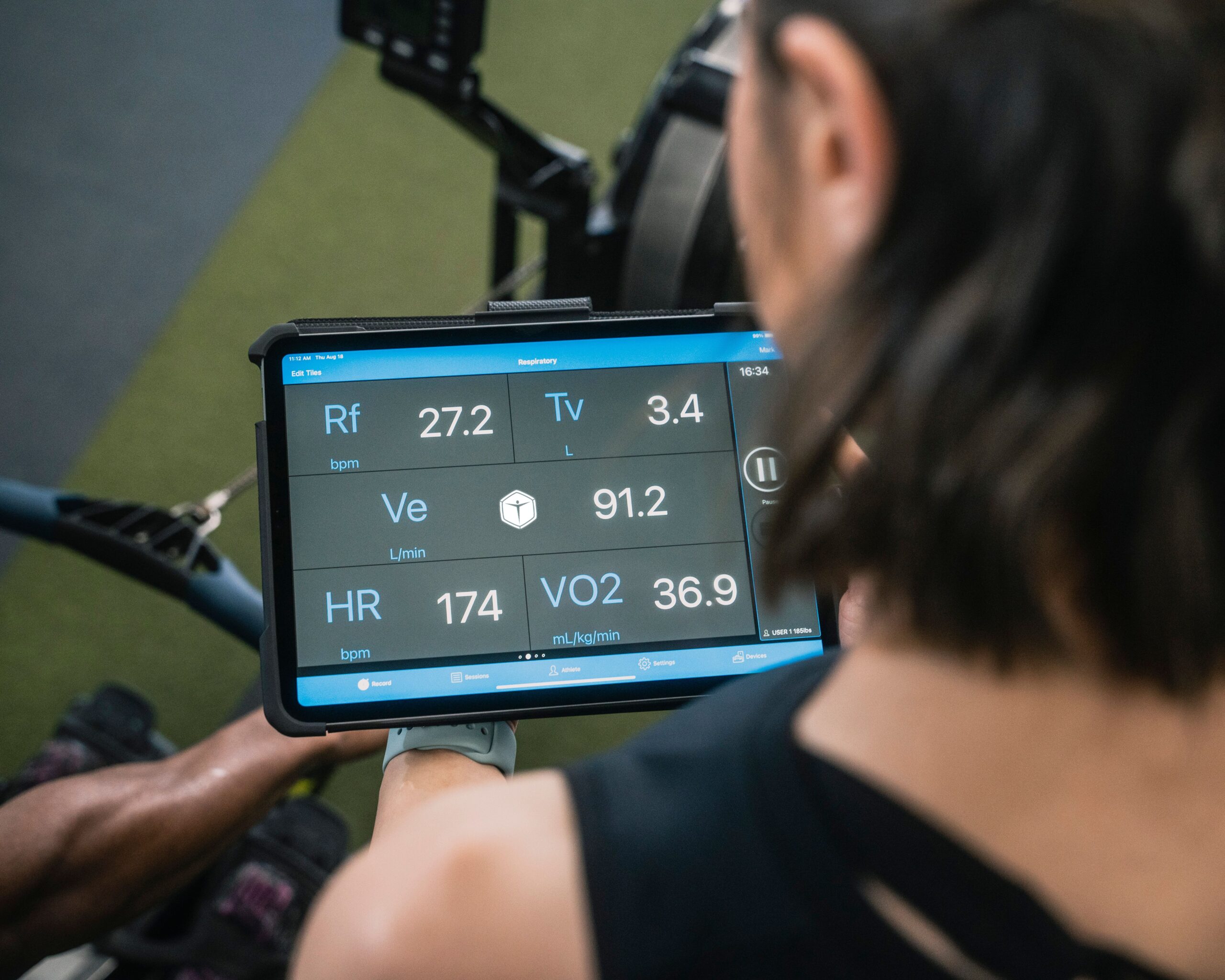
AI is transforming the world of sports, from biomechanical analysis of athletes to injury prevention and real-time game strategy. Discover how algorithms are redefining the concept of athletic performance for both professionals and amateurs.
Professional sports have always searched for that marginal edge capable of separating victory from defeat. Today, that edge is often found in data, and Artificial Intelligence has become the key tool for extracting its value. From top football clubs to Olympic federations, algorithms are radically changing how athletes and coaches prepare, compete, and recover.
Biomechanical Analysis and Injury Prevention
Wearable sensors, high-speed cameras, and computer vision systems now allow millimeter-precise analysis of every athlete’s movement. Neural networks trained on thousands of hours of sports footage can recognize anomalous movement patterns that often precede a muscular or joint injury.
- Systems used by Premier League clubs monitor daily workload to calibrate training sessions
- Predictive algorithms estimate injury risk based on accumulated fatigue and biomechanical asymmetries
- Computer vision analyzes running or throwing technique, comparing it against optimal models
Data-Driven Game Strategy
In team sports, AI goes beyond descriptive statistics to generate actual strategies. In NBA basketball, for example, predictive models suggest the most effective offensive rotations against a specific opponent by analyzing thousands of past possessions. In tennis, machine learning algorithms identify an opponent’s serving patterns, providing coaches with valuable insights before a decisive match.
Football has also embraced this revolution: automatic tracking systems follow the position of every player and the ball 25 times per second, generating heat maps and goal probability models that help coaches optimize tactical formations in real time.
Personalized Training
Every athlete is unique, and AI enables truly personalized training plans. Machine learning algorithms analyze physiological parameters such as heart rate, heart rate variability, and sleep quality to suggest the optimal intensity for each daily session, avoiding overtraining or insufficient recovery.
Virtual coaching platforms, powered by generative models, already offer real-time voice feedback during training, correcting posture or suggesting pace variations, making access to quality coaching more democratic even for amateur athletes.
Scouting and Talent Evaluation
The scouting process, traditionally based on the expert eye of observers, is now being enriched by predictive tools capable of analyzing thousands of young athletes through public videos and match data. This allows clubs with limited budgets to identify hidden talents in minor leagues, democratizing access to high-level sporting opportunities.
The Ethical Challenges Ahead
Not everything is free of concerns: the amount of biometric data collected on athletes raises serious questions about privacy and data ownership. There is also the risk that excessive reliance on algorithms could reduce the space for instinct and creativity, elements that have always made sports an unpredictable human spectacle.
The future of sports will likely be a balance between human intuition and the predictive power of Artificial Intelligence, an alliance capable of pushing athletic performance toward previously unimaginable limits.