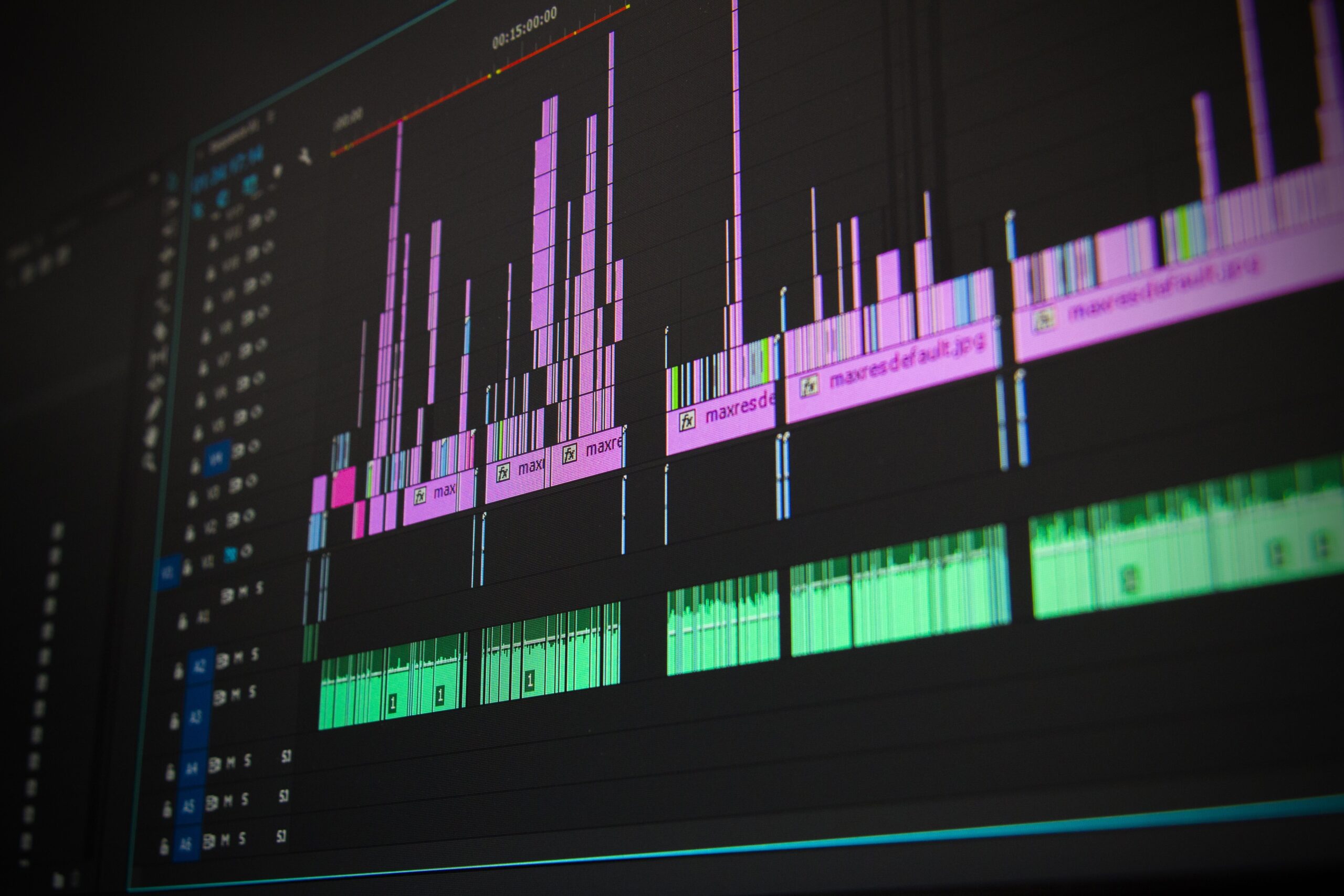
From automatic composition to intelligent mastering, AI is transforming every phase of music production. Let’s explore how algorithms and neural networks are redefining the relationship between technology and sonic creativity, opening new possibilities for artists and listeners alike.
Music, long considered one of the most intimate and human territories of creativity, is undergoing a silent yet profound transformation thanks to artificial intelligence. This is no longer just about digital production tools, but systems capable of composing melodies, generating complex arrangements, and even imitating the style of famous artists with surprising fidelity.
Platforms like Suno and Udio have demonstrated that it’s possible to generate complete songs, with vocals, lyrics, and instrumentation, starting from a simple text description. These tools use diffusion models and transformer neural networks, trained on vast musical catalogs, to produce original compositions in seconds.
Practical Applications in the Music Industry
Artificial intelligence doesn’t necessarily replace musicians, but often amplifies their capabilities in various areas:
- Assisted composition: tools like AIVA or Amper Music help composers and sound designers generate musical foundations for films, video games, and advertising in remarkably short timeframes
- Automatic mastering: services like LANDR use machine learning algorithms to analyze and optimize a track’s final mix, making professional mastering accessible even to independent producers
- Track separation: technologies developed by tools like Spleeter allow isolation of vocals, drums, and instruments from an already mixed track, opening new possibilities for remixes and sampling
- Adaptive soundtrack generation: in video games, AI creates music that dynamically changes based on player actions
The Authorship and Rights Debate
This technological revolution raises delicate questions about intellectual property. When an algorithm generates a melody inspired by thousands of existing tracks, who holds the copyright? Record labels and artists are facing legal battles to establish boundaries between algorithmic inspiration and copyright infringement.
Some artists, like Grimes, have chosen a different approach, openly offering their synthesized voice for use by fans and producers, then sharing the proceeds. This alternative model suggests new forms of collaboration between human and machine that could redefine the music industry.
AI as a Discovery Tool
Beyond production, artificial intelligence is also transforming how we discover music. Recommendation algorithms on platforms like Spotify analyze billions of listens to suggest tracks perfectly calibrated to individual tastes, creating personalized playlists that constantly evolve.
Additionally, predictive analysis tools are used by record labels to identify potential hits even before their release, analyzing rhythmic, harmonic, and lyrical patterns correlated with commercial success.
Toward a Hybrid Future
The future of music seems oriented toward increasingly close collaboration between human creativity and computational capability. Many producers view AI not as a threat, but as a new tool in the creative toolbox, comparable to the introduction of the synthesizer or sampler decades ago.
The main challenge remains finding a balance between technological innovation and preserving artistic authenticity, ensuring that technology amplifies human creativity rather than completely replacing it.