AI is stepping out of screens to inhabit robots, drones, and machines capable of perceiving and acting in physical space. This article explores the convergence between artificial intelligence and robotics, analyzing how this fusion will redefine industry, logistics, and daily life over the next decade.
For years, artificial intelligence remained confined within screens, servers, and digital applications. Today something is changing radically: algorithms are learning to move, manipulate objects, and physically interact with the environment around them. This new frontier, often called ‘Physical AI’ or ’embodied intelligence,’ represents one of the most significant trends for the coming decade.
The fundamental difference compared to traditional AI lies in the need to manage real-world uncertainty. A language model operates in a predictable space made of text and symbols; a robot walking on uneven ground or grasping a fragile object must instead adapt in real time to infinite variables: friction, weight, lighting, unexpected events.
The Technological Convergence Underway
What makes this revolution possible is the meeting of different disciplines that until recently proceeded separately:
- Increasingly sophisticated computer vision models, capable of recognizing objects and understanding complex scenes in fractions of a second
- Neural networks specialized in motor control, trained through virtual simulations before being transferred to real hardware
- New generation tactile sensors that allow robots to ‘feel’ the pressure and texture of objects
- Reinforcement learning architectures that enable machines to improve their skills through practice, just as a human would
Leading technology companies are investing billions in this direction, developing humanoid robots intended not only for factories but also for warehouses, hospitals, and even private homes.
Sectors Set to Transform
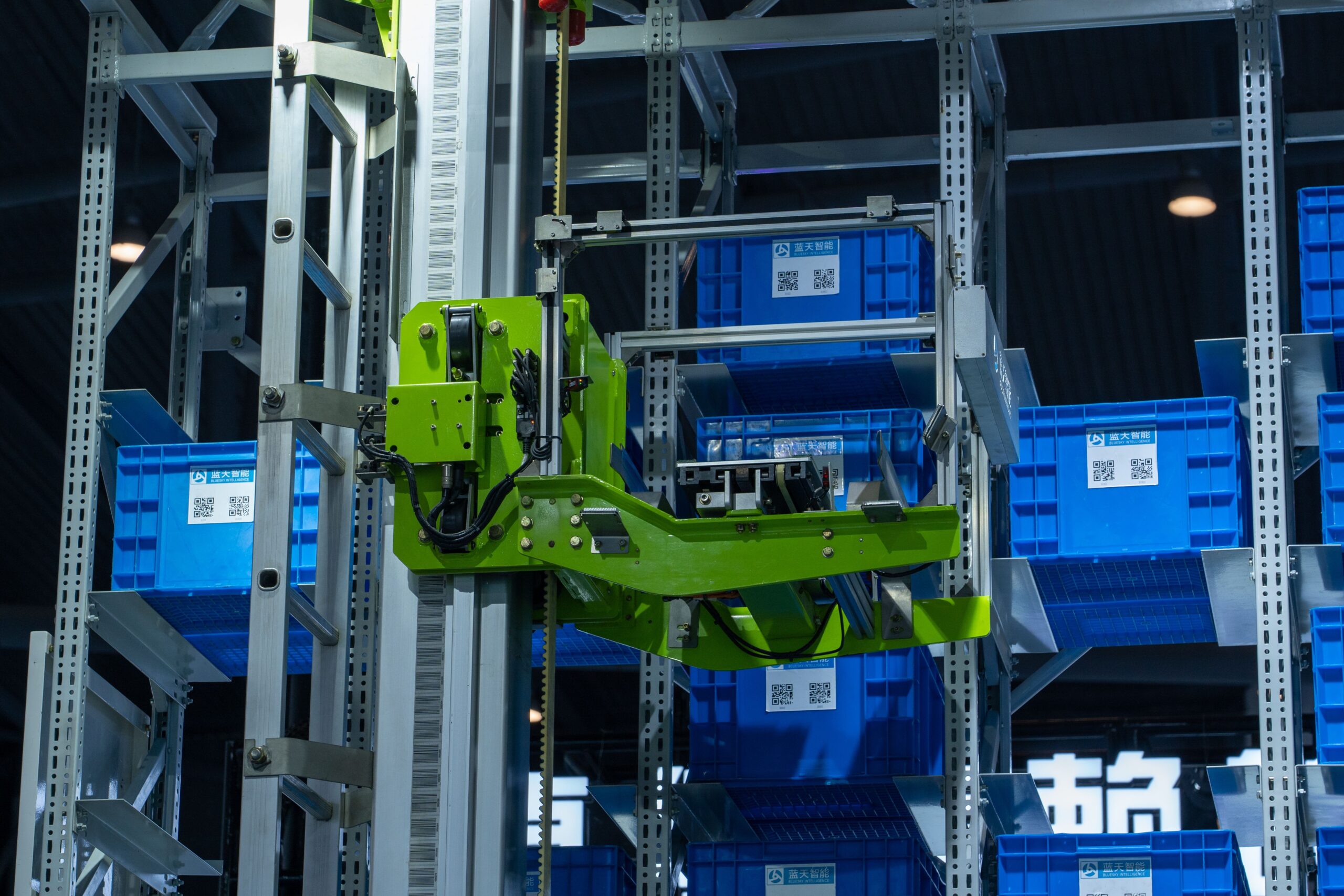
Logistics is probably the field where the impact will be most immediate. Automated warehouses with robots capable of sorting packages of different shapes and sizes, without needing reprogramming for each new product, could revolutionize e-commerce within a few years.
Construction is also looking with interest at this technology: robots capable of operating on complex construction sites, handling heavy materials and variable environmental conditions, could reduce injuries and construction times.
In healthcare, machines equipped with fine manipulation could assist surgeons in precision procedures or support elderly patients in daily activities, offering continuous and personalized assistance.
The Challenges Still Ahead
Despite progress, significant obstacles remain. The gap between simulation and reality, known as the ‘sim-to-real gap,’ continues to represent an important technical barrier: a robot trained perfectly in a virtual environment may behave unpredictably once transferred to the physical world.
There are also economic issues: the production costs of advanced robots remain high, and scaling these solutions will require innovations in both materials and manufacturing processes.
A Look at the Near Future
Experts agree on one point: Physical AI will not entirely replace human labor, but will profoundly transform the way humans and machines collaborate. The most likely future is not one of completely automated factories, but of hybrid environments where robots and people work side by side, each leveraging their own strengths.
This transition will require not only technological investments, but also a rethinking of safety regulations, professional training, and even urban design, to accommodate machines that will increasingly share our everyday physical spaces.