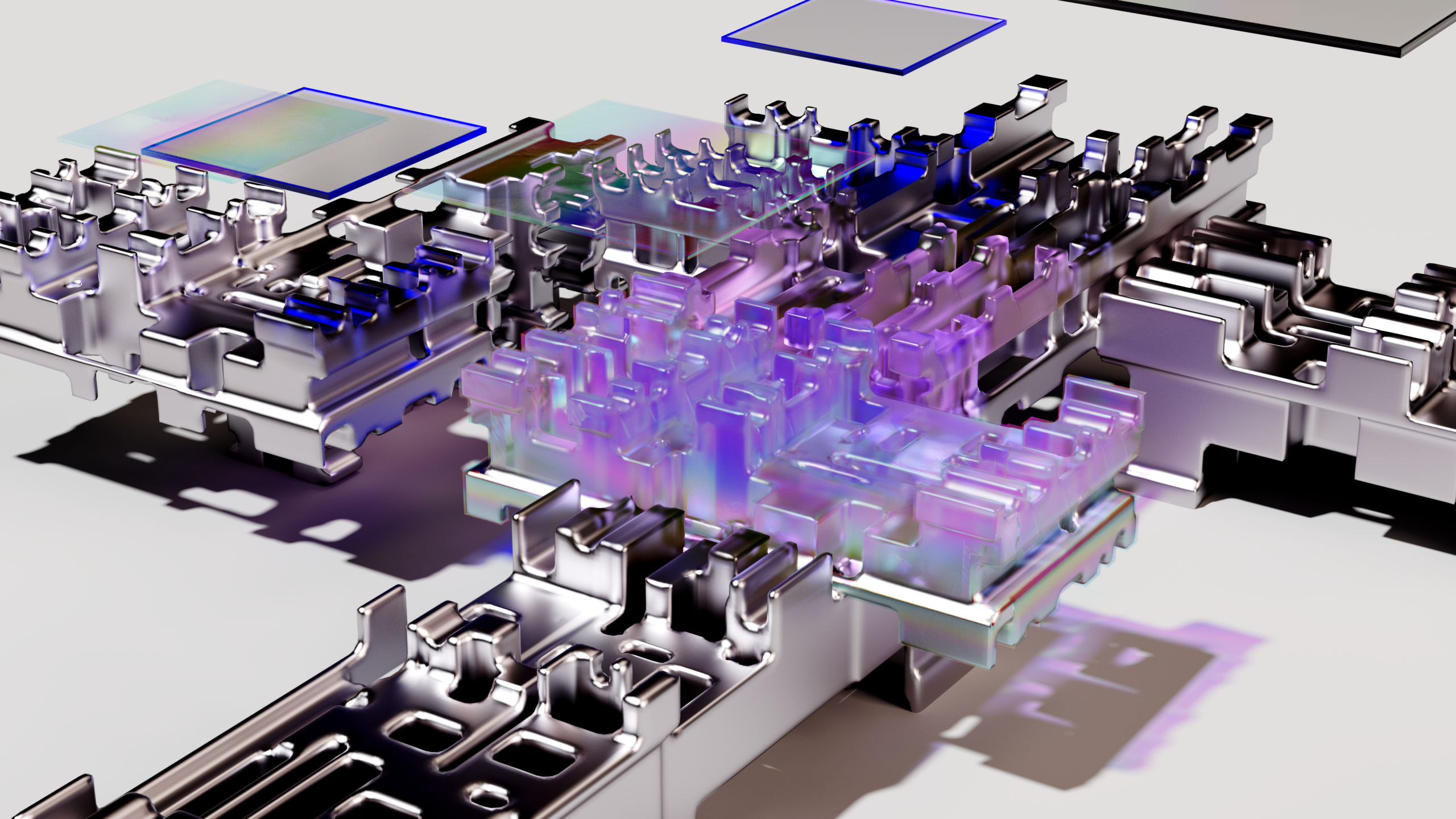
From generative design to energy simulations, AI is transforming how architects and urban planners imagine buildings and cities. A journey through tools that accelerate creativity, alongside the ethical challenges of automating design.
Architecture has always been a discipline that blends art, engineering, and social vision. Today, Artificial Intelligence is adding a new tool to this ancient craft, capable of accelerating creative processes and optimizing technical solutions that once took weeks of manual work. From major international studios to small local firms, algorithms are becoming silent collaborators in shaping the spaces where we live.
Generative Design: When the Algorithm Proposes, the Architect Chooses
One of the most significant developments is so-called generative design: AI systems that, starting from specific constraints such as budget, available materials, solar orientation, or zoning regulations, generate hundreds of design variants within minutes. The architect no longer starts from a blank page, but selects, combines, and refines the proposals generated by the software, shifting their role toward that of a critical curator rather than a sole author.
Tools like Autodesk Generative Design or neural network-based software are enabling the exploration of structural configurations otherwise unimaginable, optimizing the balance between material strength and overall building weight, with tangible benefits in sustainability and cost.
Energy Simulations and Living Comfort
Another fast-growing area is predictive simulation. Thanks to machine learning models trained on vast climatic and behavioral datasets, it is now possible to accurately predict how a building will perform in terms of thermal dispersion, natural lighting, and energy consumption, even before the first stone is laid.
- Optimizing building orientation based on local microclimate
- Simulating natural light behavior in interior spaces
- Predicting energy consumption throughout the building’s entire lifecycle
- Predictive analysis of construction material wear
These tools not only improve the quality of life for future occupants but also respond to increasingly strict regulations on energy efficiency and sustainable construction.
Intelligent Urban Planning
On a larger scale, AI is also revolutionizing urban planning. Algorithms analyzing pedestrian and vehicular flows help local governments design more livable neighborhoods, identifying where to place parks, public transport stops, or bike lanes based on real mobility data rather than mere theoretical forecasts.
Cities like Singapore and Barcelona have already experimented with urban digital twins, virtual replicas of the real city that allow testing the impact of new infrastructure before physical construction, reducing costly errors and improving citizen participation in decision-making.
The Challenges: Creativity, Standardization, and Responsibility
However, challenges remain. The risk of excessive aesthetic standardization is real: if many studios use the same generative tools, cities could increasingly start to look alike, losing the cultural variety that characterizes traditional historic centers. Furthermore, the question of professional responsibility remains open: who is accountable in case of a structural error generated by an algorithm?
Professional associations are beginning to consider how to regulate the use of these tools, ensuring they remain a support for human creativity rather than a substitute for the architect’s civil and criminal liability.
A Tool, Not a Replacement
As in many other sectors, Artificial Intelligence in architecture does not eliminate the role of the designer but amplifies their capabilities, freeing up valuable time to focus on the bigger picture, dialogue with clients, and the search for truly innovative solutions. The future of urban spaces will increasingly be the result of a collaboration between human intuition and computational power.