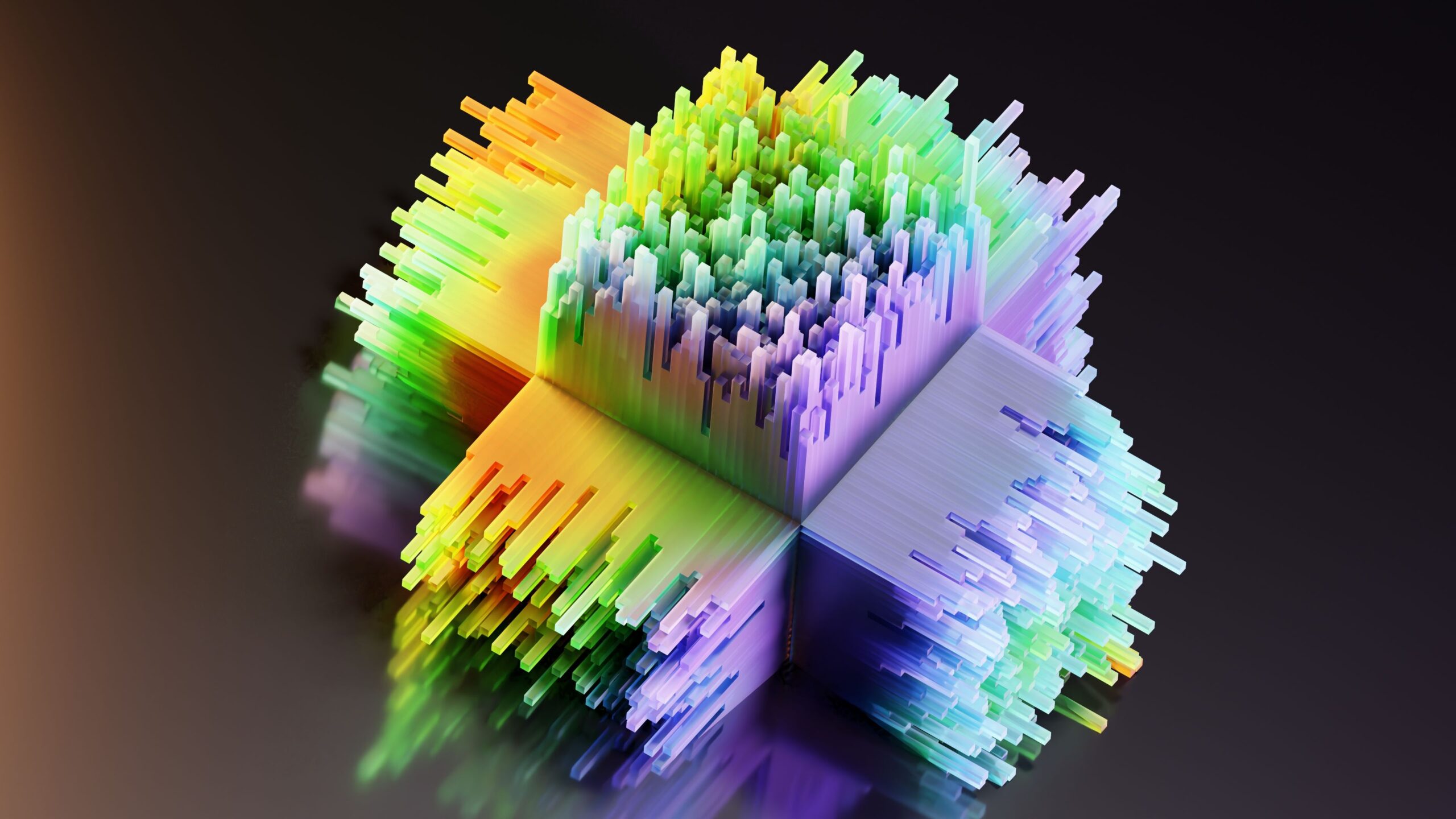
Generative artificial intelligence is transforming the world of visual art, creating works that challenge traditional notions of authorship and originality. A journey through technology, aesthetics, and the new philosophical questions this revolution brings.
In recent years, tools like Midjourney, DALL-E, and Stable Diffusion have introduced a new form of artistic creation: images generated from simple text descriptions. This phenomenon is not just a technological curiosity, but is reshaping the very boundaries of contemporary visual art, raising profound questions about what it means to be an ‘author’ in the digital age.
From Canvas to Prompt: A New Creative Grammar
The creative process with generative AI introduces an unprecedented language: prompt engineering. Digital artists today must master not brushes or traditional editing software, but the ability to translate artistic visions into precise and evocative text instructions. This new skill requires a hybrid sensitivity, halfway between poetic writing and technical knowledge of algorithms.
Many contemporary artists have begun integrating these tools into their workflow, not replacing their own creative vision but amplifying it. AI thus becomes a silent collaborator, capable of exploring thousands of visual variations in seconds, offering the human artist new paths to follow or discard.
The Originality Debate
One of the most controversial aspects concerns the question of originality. Generative models are trained on massive datasets of existing images, often created by human artists without their explicit consent. This raises ethical and legal questions that remain unresolved:
- Who owns the rights to an AI-generated artwork?
- Can we speak of plagiarism when an algorithm draws inspiration from existing styles?
- How can we protect the work of artists whose creations contributed, without consent, to training these models?
Several legal cases are already underway worldwide, and regulatory frameworks are struggling to keep pace with technological evolution.
New Forms of Expression
Beyond the controversies, AI is opening entirely new artistic pathways. Artists like Refik Anadol use artificial intelligence to create immersive installations that transform data into spectacular visual experiences, while others experiment with AI to explore the collective unconscious through images generated from millions of cultural references.
Art galleries and museums are gradually opening their doors to these new forms of expression, organizing exhibitions dedicated exclusively to AI-generated art. The art market is also responding, with digital works reaching significant valuations at international auctions.
Toward a New Hybrid Aesthetic
Perhaps the real revolution lies not in replacing the human artist, but in the birth of a hybrid aesthetic where artificial intelligence and human creativity merge in unprecedented ways. Artists who master these tools while maintaining a critical and personal vision could define the visual language of the coming decades.
The challenge for the future will be finding a balance between technological innovation and the protection of human creativity, developing ethical and regulatory frameworks that allow this new art form to thrive while respecting all parties involved, both human and algorithmic.