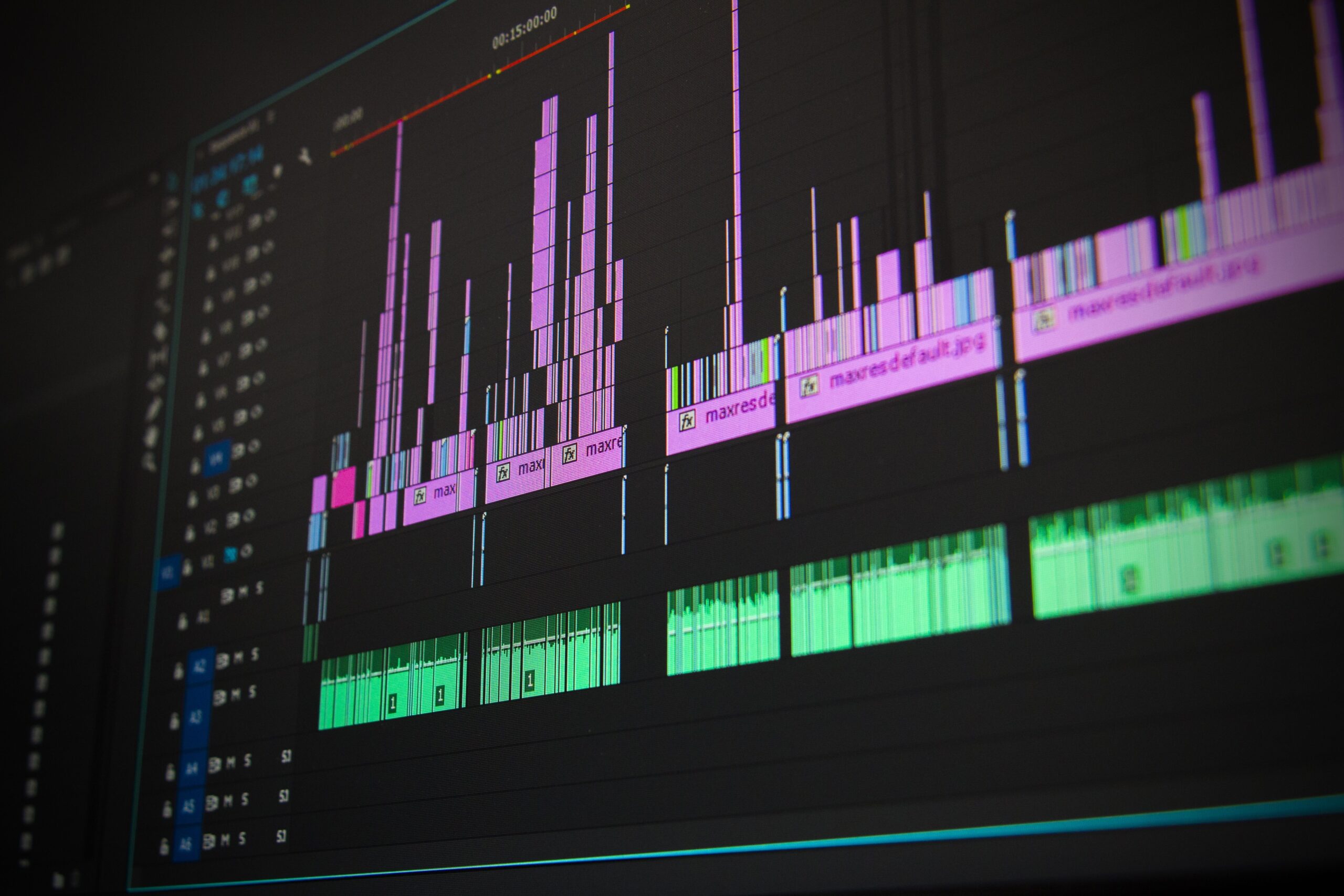
Artificial intelligence is radically transforming how music is composed, produced, and distributed. From algorithmic composers creating original soundtracks to tools assisting musicians in production, AI is opening new creative frontiers without replacing the human soul of music.
Music has always been considered one of the most intimate and human territories of creativity. Yet in recent years, artificial intelligence has begun knocking on this door too, positioning itself not as a substitute for musicians but as a new tool capable of expanding the boundaries of composition and sound production.
Systems like Google’s MusicLM, OpenAI’s Jukebox, or Suno are demonstrating that neural networks can generate complete musical pieces starting from simple text descriptions. Just write ‘a melancholic piano ballad with background strings’ to get an original, coherent, and surprisingly expressive track in seconds.
How Algorithmic Composition Works
At the core of these tools are models trained on vast musical archives, capable of learning harmonic, rhythmic, and melodic patterns. Through deep learning techniques, AI doesn’t merely copy existing styles but learns to combine elements in new ways, generating compositions that often escape traditional categorization.
- Analysis of thousands of tracks to identify recurring harmonic structures
- Generation of original melodies through generative neural networks
- Dynamic adaptation of tone and rhythm based on the requested context
- Ability to blend different genres in real time
A Tool for Musicians, Not a Rival
Many artists are already integrating these tools into their creative process. Music producers use AI to quickly generate demos, explore harmonic variations, or create instrumental bases to build complete tracks upon. Film composers leverage algorithms to prototype soundtracks, saving precious time in the early stages of production.
This approach flips the narrative of AI as a threat to creativity: rather than replacing the artist, these tools act as tireless collaborators, offering insights and alternatives that stimulate human inspiration.
Ethical and Copyright Challenges
However, delicate issues remain. Training these models often relies on copyrighted musical catalogs, raising questions about compensation and consent from original artists. Some record labels have already taken legal action against generative AI platforms, while others are experimenting with licensing agreements to allow ethical use of their archives.
At the same time, debate opens on who holds the rights to an AI-generated track: the user who wrote the prompt, the company that developed the model, or neither?
Toward New Musical Genres
Beyond legal questions, AI is contributing to genuinely new sonic aesthetics. Some experimental artists deliberately use algorithmic ‘imperfections,’ glitches, and unexpected combinations generated by machines as a distinctive stylistic signature, giving birth to a hybrid genre some already call ‘AI music’ in its own right.
The future of music will likely not be dominated by machines, but enriched by them. The real challenge for artists, producers, and listeners will be learning to integrate these new tools while keeping alive the authenticity and emotion that have always made music a universal language.