
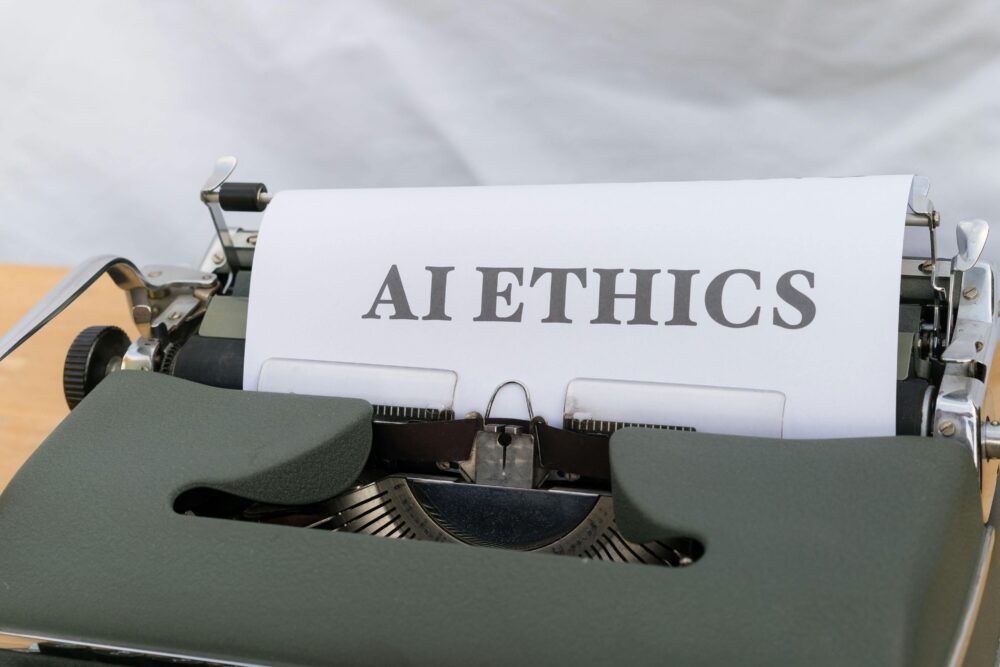
Artificial intelligence is transforming society, but with great power comes great responsibility. Let’s explore how ethical principles and governance are shaping the future of responsible AI.
Artificial intelligence is no longer a technology of the future: it’s here, now, and influencing every aspect of our daily lives. From hiring decisions to medical diagnoses, from security systems to recommendation algorithms, AI has become a silent yet powerful arbiter of our experiences. However, with this power come fundamental questions about accountability, fairness, and transparency.
The Pillars of AI Ethics
AI ethics is built on fundamental principles that guide the development and implementation of intelligent systems. Transparency requires algorithms to be understandable and explainable, allowing users to comprehend how decisions affecting them are made. Fairness ensures AI systems don’t discriminate against specific groups, while accountability establishes who is responsible for automated decisions.
Algorithmic Bias: The Hidden Challenge
One of the most insidious problems in modern AI is algorithmic bias. Artificial intelligence systems learn from historical data, which often reflects existing social prejudices and inequalities. This can lead to systematic discrimination in critical sectors such as:
- Personnel selection and recruiting
- Loan approval and financial services
- Judicial system and legal decisions
- Medical diagnosis and healthcare
Technology companies are investing significantly in tools to identify and mitigate these biases, developing algorithmic auditing techniques and more representative datasets.
Evolving Global Regulation
Governments worldwide are developing regulatory frameworks to govern AI. The European Union has led the way with the AI Act, comprehensive legislation that classifies AI systems by risk level and establishes specific requirements for each category. The United States is adopting a more sectoral approach, while China is balancing innovation with social control.
The Role of Companies in Governance
Organizations cannot wait for regulation to catch up. Many are proactively implementing:
- Internal AI ethics committees
- Ethical review processes for new projects
- Training on algorithmic responsibility
- Continuous monitoring systems for ethical performance
Toward a Responsible Future
AI ethics is not a final destination but an ongoing process of improvement and adaptation. It requires collaboration between technologists, policymakers, academics, and civil society. Only through this multi-stakeholder approach can we ensure that artificial intelligence serves humanity in a fair, transparent, and beneficial way.
The challenge is not to slow innovation but to guide it toward directions that respect fundamental human values. The future of AI depends on the ethical choices we make today.