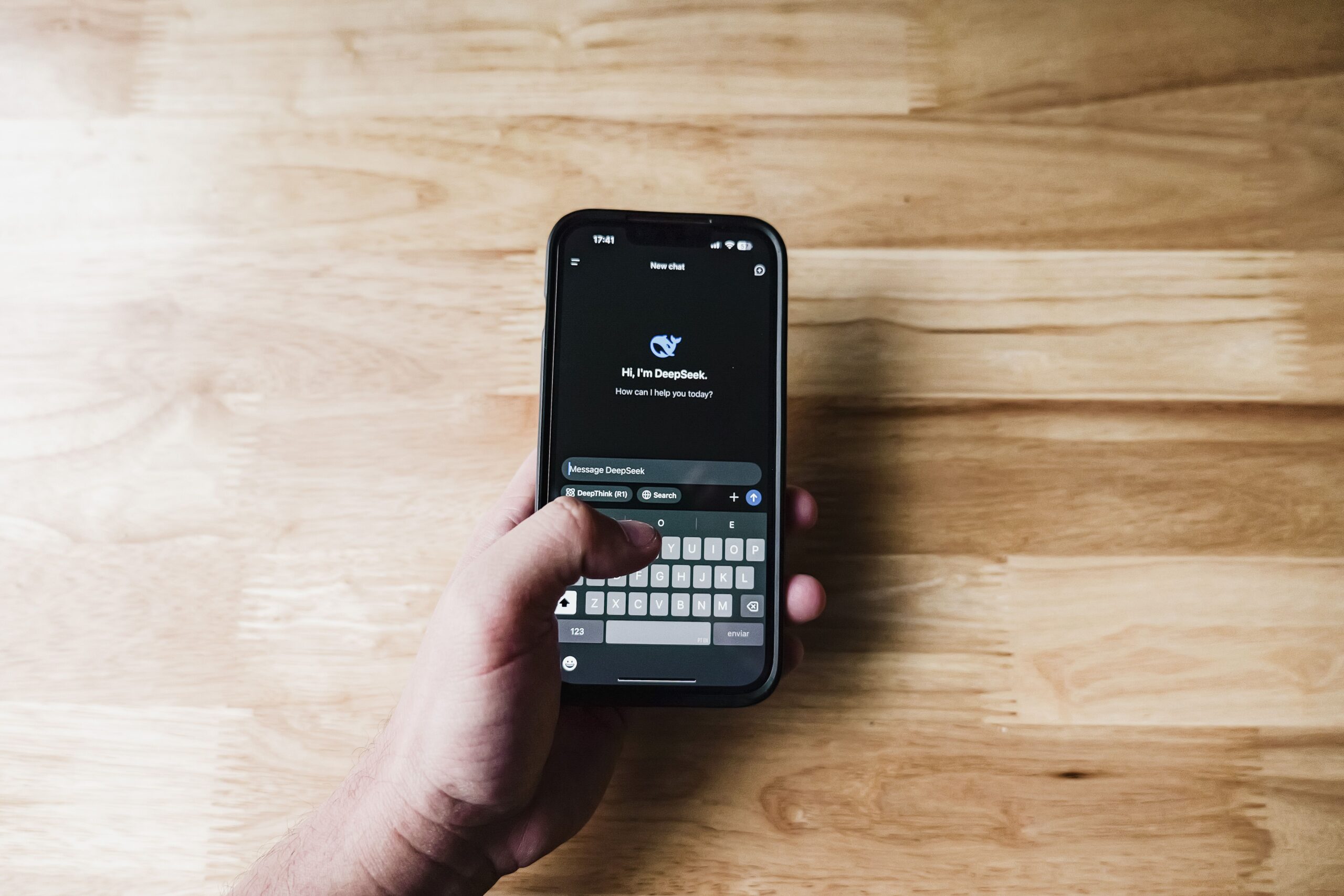
Millions of people now talk daily to chatbots designed to offer companionship, listening, and even simulated affection. An analysis of how these tools are redefining the concept of relationship and what it means for our emotional and social lives.
In recent months, millions of people worldwide have downloaded apps promising constant, judgment-free listening, available around the clock. We’re not talking about therapists or productivity-focused virtual assistants, but genuine digital companions: chatbots designed to simulate friendship, romantic relationships, or simply emotional presence. What once seemed confined to tech enthusiast niches has become a major social phenomenon, tapping into a deep and often invisible need: loneliness.
According to several studies conducted in recent years, chronic loneliness is rising across many Western societies, driven by urbanization, the fragmentation of traditional family structures, and post-pandemic isolation. Against this backdrop, applications built on advanced language models offer an immediate, low-cost response: an entity that’s always available, remembers past conversations, adapts to the user’s emotional tone, and, in many cases, never judges.
An Illusion of Relationship, but With Real Effects
Psychology experts are divided. On one hand, some studies suggest that interacting with virtual companions can temporarily ease symptoms of social anxiety, offering a safe space for self-expression without fear of rejection. On the other, there’s growing concern about the risk of emotional dependency on an entity that, however sophisticated, possesses neither real empathy nor consciousness.
- The risk of replacing complex human relationships with predictable, conflict-free interactions
- The effect of continuous positive reinforcement, which can distort expectations toward real-world relationships
- Privacy concerns: these chatbots collect intimate and vulnerable user data
- The lack of clear regulation on how the most sensitive conversations are handled
Companies developing these products insist they are support tools, not substitutes for social life. Yet usage data tells a different story: sessions lasting hours, users reporting they prefer chatbot conversations to talking with friends or family, and in some cases an attachment resembling authentic relational dynamics.
Who Are the Users of These Services?
Contrary to what one might assume, the audience isn’t limited to teenagers or socially isolated individuals. Stressed professionals, elderly people living alone, individuals navigating life transitions like divorce or grief: the diversity of users reflects how widespread the need for connection these tools attempt to address truly is.
The social implications are significant. While these tools may serve as a temporary bridge toward stronger human relationships, they also risk becoming a permanent safe harbor that distances people from the often difficult but necessary confrontation with the complexity of real relationships.
A Shared Responsibility
The public debate around these tools should involve not only developers and psychologists, but also educators, policymakers, and civil society. Clear ethical guidelines, transparency about data collection, and above all, a collective reflection on how to integrate these tools without letting them replace the relational fabric that makes human communities resilient, are all urgently needed.
Technology is neither inherently good nor bad: it depends on how we use it and the social context in which it operates. AI-based virtual companions could offer valuable support during moments of isolation, but only if paired with critical awareness of their limitations and the risks of unbalanced use.