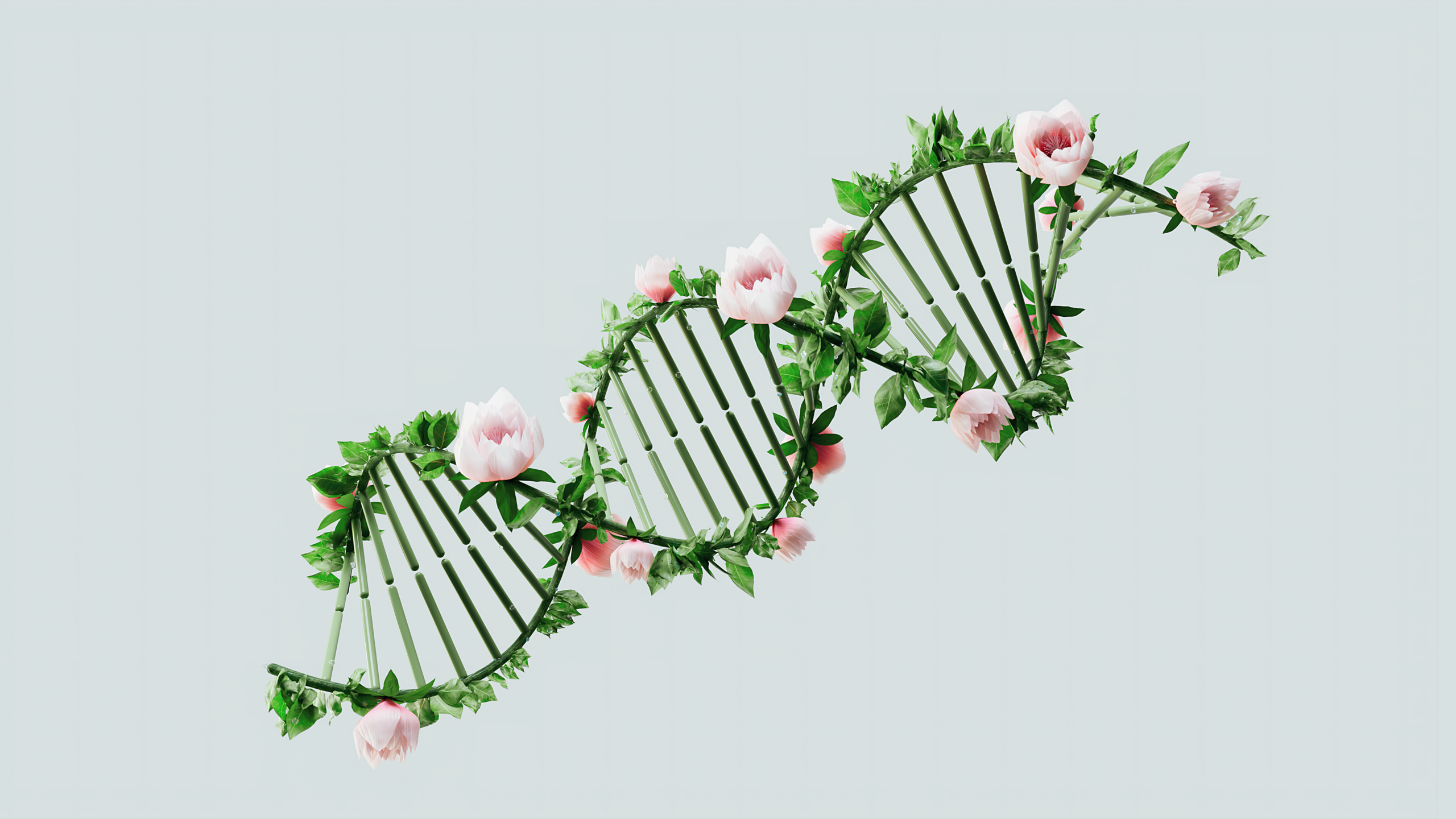
AI is accelerating longevity research, uncovering aging biomarkers and new anti-aging drugs at record speed. An exploration of how algorithms and biology are merging to redefine what it means to grow old.
For decades, the fight against aging has been more a field of speculation than rigorous science. Today, artificial intelligence is transforming this domain into a data-driven discipline, capable of identifying biological patterns invisible to the human eye and drastically accelerating the pace of research. It’s no longer just about treating age-related diseases, but about understanding—and potentially modifying—the very mechanisms of aging itself.
At the heart of this revolution are AI-powered ‘biological clocks’: algorithms capable of analyzing epigenetic, proteomic, and metabolomic data to precisely estimate an individual’s biological age, often very different from their chronological one. Companies like Insilico Medicine and Deep Longevity use neural networks trained on millions of samples to predict not only how fast a person is aging, but also which interventions might slow the process down.
From Drug Discovery to Personalized Medicine
One of the most promising areas is the discovery of anti-aging molecules. Generative AI systems can design new chemical compounds starting from specific biological targets, reducing the time needed to identify pharmaceutical candidates from years to weeks. Insilico Medicine has already brought drugs designed almost entirely by algorithms into clinical trials, a milestone unthinkable just a decade ago.
At the same time, medicine is shifting toward an increasingly personalized model. Algorithms analyze an individual’s genetic profile, lifestyle, and longitudinal health data to suggest tailored interventions: from diet and exercise to specific supplements or experimental therapies. This approach, known as ‘precision medicine for longevity,’ promises to replace generic guidelines with individualized protocols.
Ethical and Social Challenges
This race for a longer life, however, raises profound questions. If extending healthy lifespan becomes reality, who will be able to afford it? The risk of further social polarization, where only an elite has access to the most advanced technologies, is real and demands serious political reflection.
- Equitable access to rejuvenation therapies and AI-based diagnostic tests
- Sustainability of pension and healthcare systems in scenarios of extended lifespans
- Regulation of drugs designed by generative algorithms
- Psychological and cultural impact of a potentially much longer life
Another critical issue concerns the quality of data used to train these models. Most longevity studies are still based on insufficiently diverse populations, risking significant bias in therapeutic recommendations.
A Look at the Near Future
In the coming years, we will likely see an increasingly tight convergence between AI, biotechnology, and wearable devices. Wearable sensors will collect real-time data feeding predictive models capable of anticipating age-related conditions before they even manifest clinically. Longevity, once a science-fiction dream, is becoming a field of biological engineering assisted by algorithms.
The question is no longer whether AI will change how we age, but how quickly this change will arrive—and who will truly be able to benefit from it.