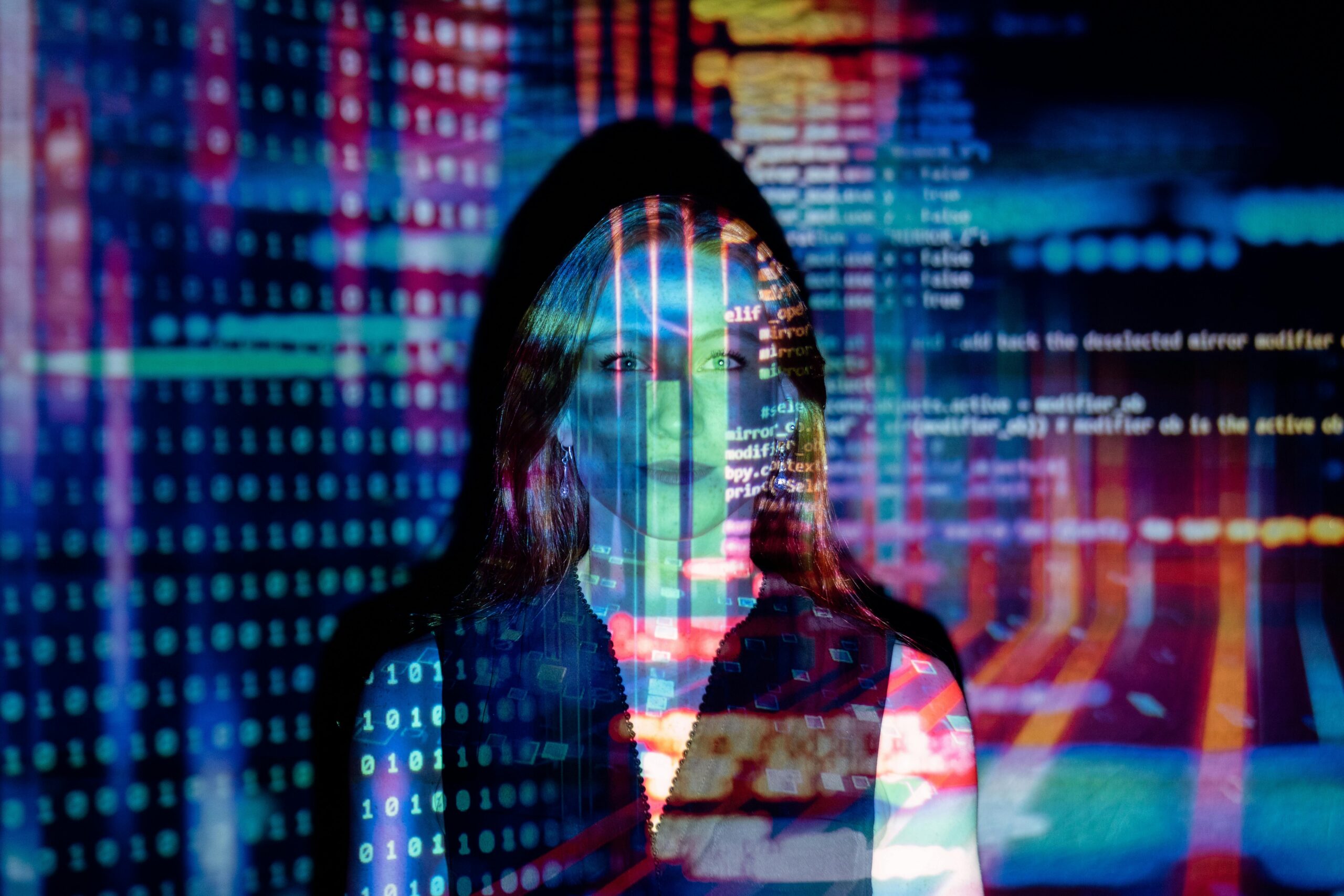
Generative artificial intelligence is transforming how we create content, from writing to programming to digital art. Let’s explore how it works and its implications for the future of creative work.
Generative artificial intelligence represents one of the most revolutionary innovations of recent years, capable of creating original content from simple textual inputs. This technology is redefining the boundaries between human and artificial creativity, opening new possibilities in fields that until recently were considered exclusively human domains.
How Generative AI Works
Generative AI is based on deep learning models, particularly transformer architectures and Generative Adversarial Networks (GANs). These systems are trained on enormous datasets containing texts, images, code, and other types of content, learning to recognize complex patterns and relationships in the data.
Large Language Models (LLMs) like GPT-4, Claude, and Gemini use billions of parameters to understand natural language and generate coherent, contextually appropriate responses. When they receive a prompt, they process the input through multiple neural layers, predicting the most probable sequence of words or tokens to complete the request.
Practical Applications and Use Cases
Generative AI applications span numerous sectors:
- Content Marketing: Automatic creation of articles, social media posts, and personalized newsletters
- Programming: Coding assistants that generate code, debug errors, and suggest optimizations
- Design and Art: Generation of images, logos, and concept art through textual prompts
- Education: Personalized virtual tutors and creation of custom educational materials
- Business Intelligence: Automatic data analysis and generation of detailed reports
Current Challenges and Limitations
Despite enormous potential, generative AI presents significant challenges. Hallucinations, the tendency to generate plausible but false information, remain a critical problem. Additionally, high computational costs and the need for quality datasets represent barriers to large-scale adoption.
Ethical issues related to copyright and intellectual property of generated content are still finding clear legal definition. Many artists and writers raise legitimate concerns about the use of their works in training datasets without explicit consent.
The Future of Generative AI
Future prospects include developing more energy-efficient models, reducing hallucinations through retrieval-augmented generation (RAG) techniques, and integrating multiple modalities to create more immersive experiences.
We’re also witnessing the emergence of domain-specific models that promise superior performance in sectors like medicine, law, and engineering. The democratization of these tools is making AI-assisted creativity accessible to an increasingly broad audience, transforming how we conceive the creative process itself.