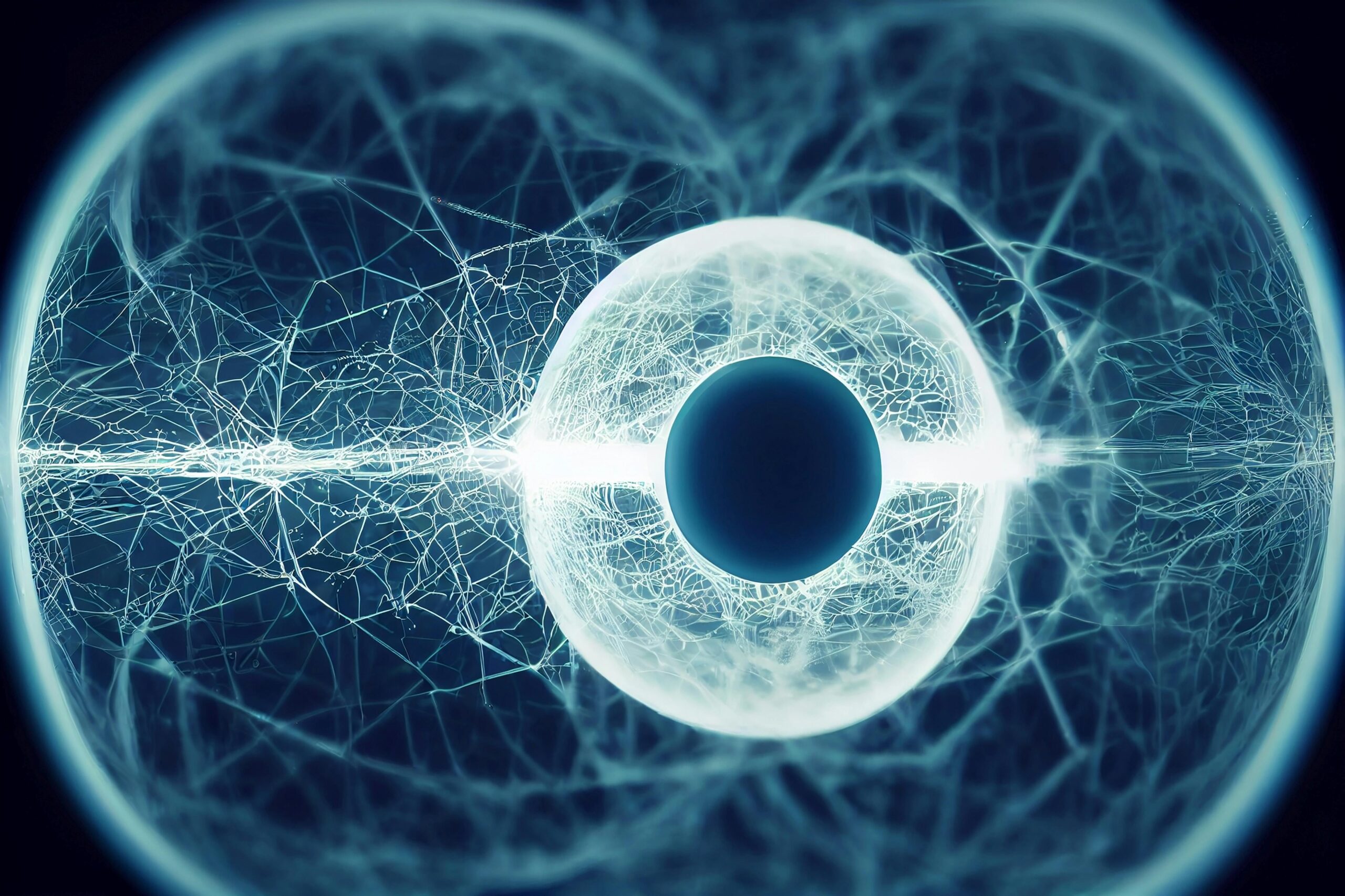
Neuromorphic Computing represents a revolution in AI, creating chips that simulate the neural structure of the human brain. This technology promises to drastically reduce energy consumption and increase computational efficiency.
Neuromorphic Computing is emerging as one of the most promising frontiers of artificial intelligence, proposing a radically different approach to computation. Instead of using the traditional von Neumann architecture, this technology directly mimics the structure and functioning of the human brain.
How Neuromorphic Computing Works
Neuromorphic chips use artificial neurons and synapses to process information in parallel and asynchronous ways, just like our brain does. Unlike traditional processors that separate memory and computation, these systems integrate both functions into a single architecture.
Key characteristics include:
- Massive parallel processing: thousands of artificial neurons work simultaneously
- Adaptive learning: the network modifies itself based on experience
- Ultra-low energy consumption: efficiency up to 1000 times higher
- Real-time processing: immediate response to stimuli
Revolutionary Advantages
The main advantage of neuromorphic computing is energy efficiency. While the human brain consumes only 20 watts of energy, current supercomputers require megawatts to simulate similar neural processes. Neuromorphic chips promise to bridge this gap.
Additionally, these systems excel at pattern recognition, sensory processing, and continuous learning, making them ideal for applications requiring adaptability and responsiveness.
Practical Applications
Applications of neuromorphic computing span various sectors:
- Autonomous robotics: robots that dynamically adapt to the environment
- Smart vehicles: more efficient autonomous driving systems
- IoT devices: intelligent sensors with ultra-low consumption
- Medicine: neural prosthetics and brain-computer interfaces
- Surveillance: real-time recognition systems
Challenges and Future Prospects
Despite its revolutionary potential, neuromorphic computing still faces several challenges. Programming these systems requires completely new paradigms, and the industry must develop appropriate software tools.
Leading companies like Intel with the Loihi chip, IBM with TrueNorth, and innovative startups are investing heavily in this technology. Experts predict that in the next 5-10 years we will see significant commercial adoption.
Neuromorphic computing won’t completely replace traditional processors, but will create a hybrid ecosystem where different architectures collaborate to optimize performance and energy efficiency, opening new possibilities for the artificial intelligence of the future.