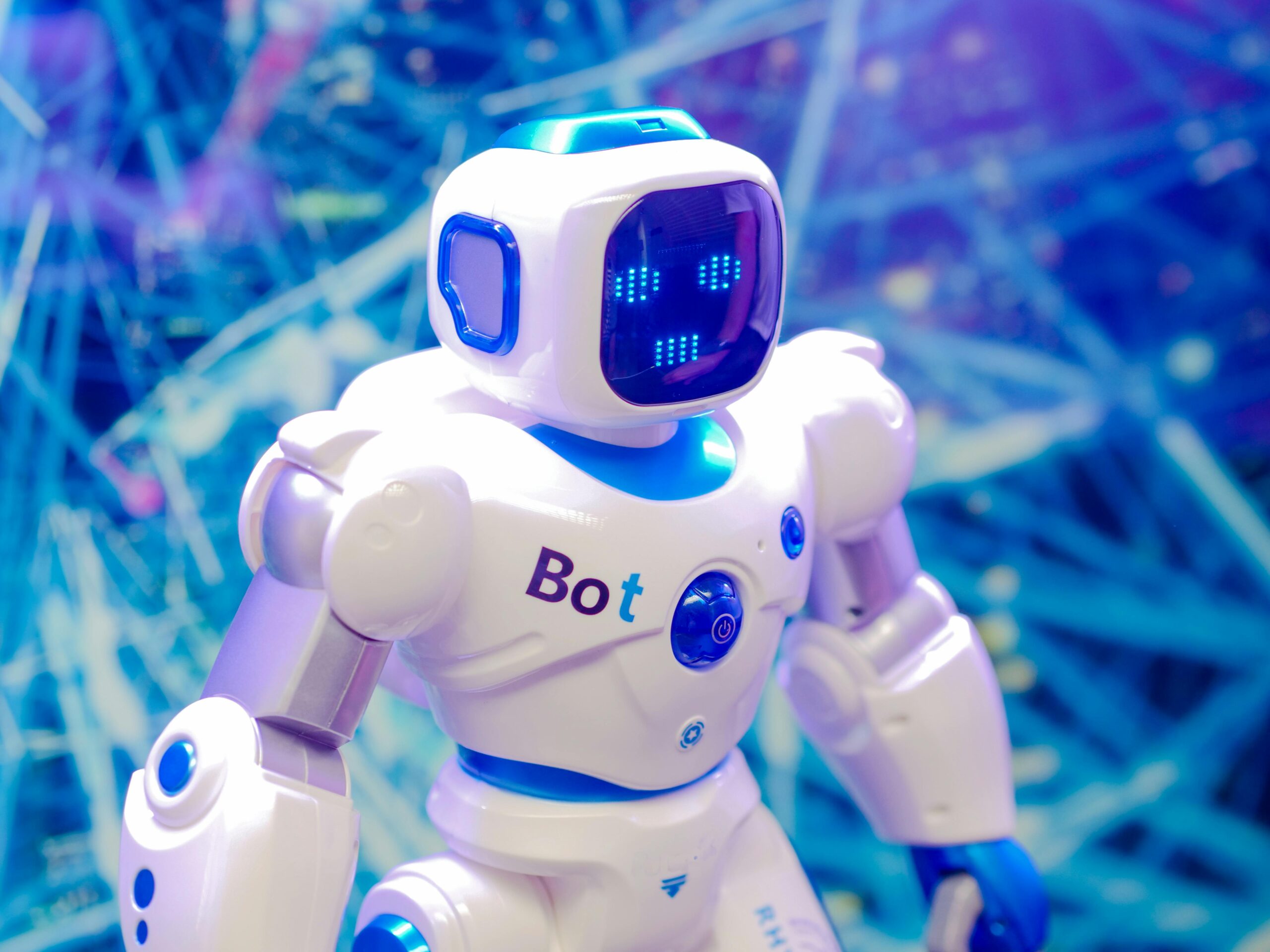
Embodied AI represents the next frontier of artificial intelligence, where intelligent systems physically interact with the real world through robotic agents. This technology promises to revolutionize healthcare, manufacturing, domestic life, and space exploration.
Artificial intelligence is undergoing a fundamental transformation: after dominating the digital realm, it’s now preparing to conquer the physical world. Embodied AI represents the natural evolution of AI systems that no longer merely process data, but actively interact with their environment through advanced robotic bodies.
What is Embodied AI?
Embodied AI refers to artificial intelligence systems integrated into physical bodies – typically robots – that can perceive, understand, and manipulate the real world. Unlike traditional AI systems operating in virtual environments, these embodied agents combine sensory perception, intelligent reasoning, and physical action in a single integrated system.
This technology represents a qualitative leap from chatbots and virtual assistants: while the latter can process language and provide information, Embodied AI can grasp objects, navigate complex spaces, and execute sophisticated physical tasks.
Key Technologies
Embodied AI relies on several converging technologies that are reaching sufficient maturity for practical applications:
- Advanced artificial vision: computer vision algorithms that enable robots to interpret complex three-dimensional scenes
- Intelligent motor control: systems that translate high-level intentions into precise physical movements
- Multimodal learning: ability to integrate information from vision, touch, audio, and other sensors
- Dynamic planning: algorithms that allow real-time behavior adaptation based on environmental feedback
Revolutionary Applications
The potential of Embodied AI extends across numerous sectors. In healthcare, assistant robots could support elderly patients in daily activities, providing both physical and emotional support. In manufacturing, embodied systems could collaborate alongside human workers, handling dangerous or repetitive tasks with superhuman precision.
The domestic sphere represents perhaps the most promising market: truly intelligent home robots could manage cleaning, cooking, and house maintenance, adapting to each family’s specific preferences. In space exploration, embodied agents could operate on distant planets with greater autonomy than current rovers.
Challenges and Future Prospects
Despite enormous potential, Embodied AI faces significant challenges. Safety represents the primary concern: robots operating near humans must guarantee 100% reliable behavior. Computational complexity remains high, requiring advances in energy efficiency and hardware miniaturization.
From a social perspective, integrating embodied agents into daily life raises questions about privacy, technological dependence, and occupational impact. However, potential benefits – from reducing dangerous work to supporting vulnerable populations – suggest that Embodied AI represents an inevitable and desirable evolution of artificial intelligence.
In the coming years, we’ll likely witness the first significant commercial deployments of Embodied AI systems, marking the beginning of a new era where artificial intelligence will no longer be confined to the digital realm, but become a physical and collaborative presence in our lives.