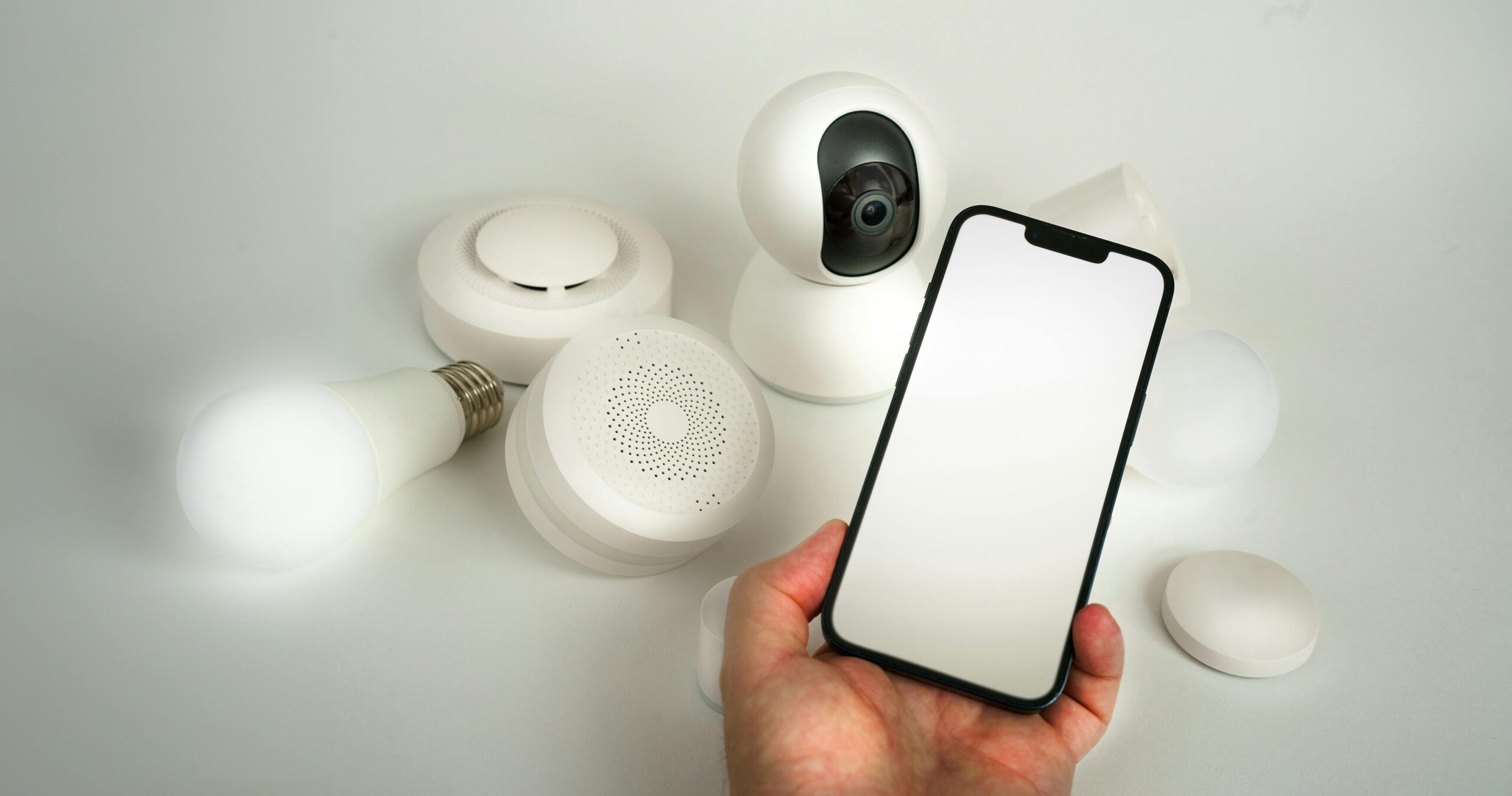
Edge AI brings artificial intelligence directly to devices, reducing latency and cloud dependency. A revolution transforming smartphones, autonomous cars, and IoT devices for faster performance and enhanced privacy.
Artificial intelligence is undergoing a fundamental transformation: instead of relying exclusively on powerful cloud servers, it’s migrating to the devices we use daily. This phenomenon, known as Edge AI or distributed AI, represents one of the most significant trends in today’s technological landscape.
What is Edge AI
Edge AI refers to the implementation of artificial intelligence algorithms directly on end devices – smartphones, tablets, IoT sensors, security cameras, and even smart appliances. Instead of sending data to remote servers for processing, devices can now process information and make decisions autonomously, in real-time.
Revolutionary Advantages
This transition toward local processing brings numerous benefits that are redefining AI possibilities:
- Reduced latency: Decisions are made instantly, without waiting for communication with remote servers
- Enhanced privacy: Sensitive data remains on the device, reducing risks related to cloud transmission and storage
- Superior reliability: Operation doesn’t depend on internet connectivity, ensuring consistent performance
- Cost reduction: Lower bandwidth and cloud service usage translates to significant savings
Practical Applications in Everyday Tech
Edge AI is already transforming our daily experience with technology. In modern smartphones, facial and voice recognition algorithms operate directly on the chip, offering instant unlock and more responsive voice assistants. Smart security cameras can identify suspicious people and objects without transmitting sensitive videos to third parties.
In the automotive sector, Edge AI is crucial for autonomous vehicles, where critical safety decisions cannot afford network delays. Car sensors and cameras process thousands of data points per second to navigate safely.
Technical Challenges and Innovative Solutions
Implementing AI on edge devices presents unique challenges. Limited computing power and storage capacity require optimized algorithms and compressed models. Companies are developing specialized chips, such as Neural Processing Units (NPUs), designed specifically for AI workloads.
The Future of Edge AI
The evolution of Edge AI promises a smarter, faster, and more secure technological ecosystem. With the advent of 5G and the Internet of Things, we’ll see a network of intelligent devices collaborating with each other, creating a distributed AI infrastructure capable of dynamically adapting to our needs while maintaining complete control over our personal data.