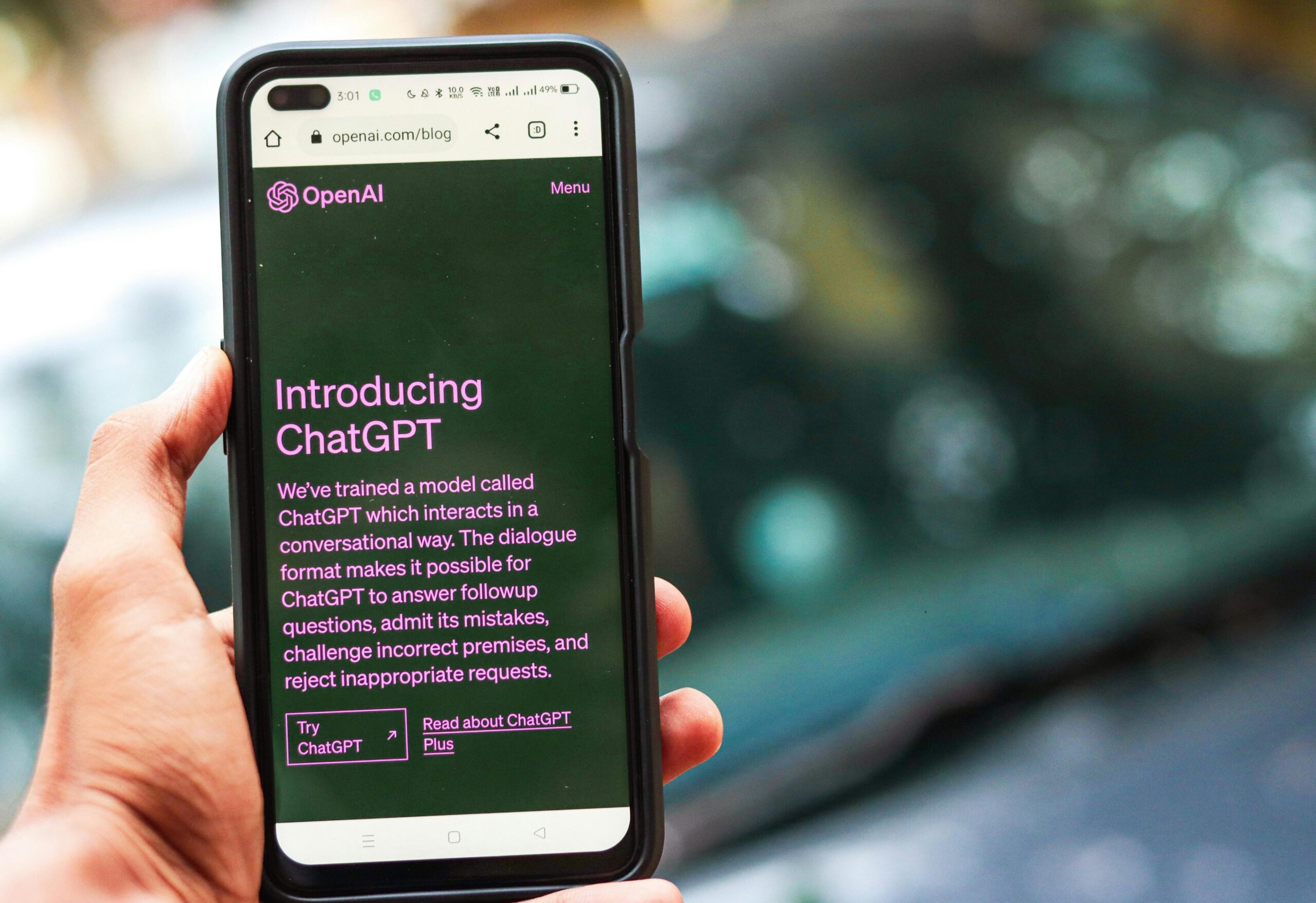
Conversational artificial intelligence is revolutionizing how we interact with technology, creating increasingly natural and human-like experiences. From advanced chatbots to virtual assistants, this technology promises to transform every sector.
Conversational artificial intelligence represents one of the most fascinating and promising frontiers of modern AI. This technology, which enables machines to understand and generate natural language in increasingly sophisticated ways, is completely redefining the landscape of human-machine interaction.
What is Conversational AI?
Conversational AI is a branch of artificial intelligence that focuses on creating systems capable of sustaining natural and meaningful dialogues with humans. These systems combine advanced technologies such as Natural Language Processing (NLP), Natural Language Understanding (NLU), and text generation to create fluid and contextually appropriate communication experiences.
Unlike early chatbots that followed predefined scripts, modern conversational systems use Large Language Models trained on enormous amounts of text to understand the nuances of human language, including irony, emotions, and cultural context.
The Technologies Behind Conversation
Modern conversational AI systems are based on transformer architectures and deep neural models that process language similarly to the human brain. These systems are capable of:
- Understanding context and maintaining coherence during long conversations
- Adapting tone and communication style to the target audience
- Handling ambiguity and complex multi-part questions
- Integrating knowledge from various sources to provide accurate answers
- Recognizing and appropriately responding to user emotions
Revolutionary Applications
Conversational AI is finding applications across numerous sectors with extraordinary results. In customer service, advanced conversational systems handle 70% of customer requests without human intervention, offering 24/7 support in multiple languages. In healthcare, virtual assistants help patients manage therapies and provide preliminary medical information.
In education, virtual tutors personalize learning by adapting to each student’s style and pace. Companies use conversational assistants to automate internal processes, from human resources management to meeting and activity planning.
Future Challenges and Opportunities
Despite impressive progress, conversational AI still faces significant challenges. Managing cultural and linguistic biases, protecting privacy in conversations, and maintaining information accuracy remain crucial priorities for researchers.
The future promises exciting developments: multimodal conversational systems that will integrate voice, gestures, and facial expressions, virtual assistants with persistent memory capable of developing long-term relationships with users, and conversational interfaces that will make many traditional UI elements obsolete.
Conversational AI represents not just a technological advancement, but a true revolution in how we conceive interaction with technology, promising a future where communication with machines will be indistinguishable from human communication.