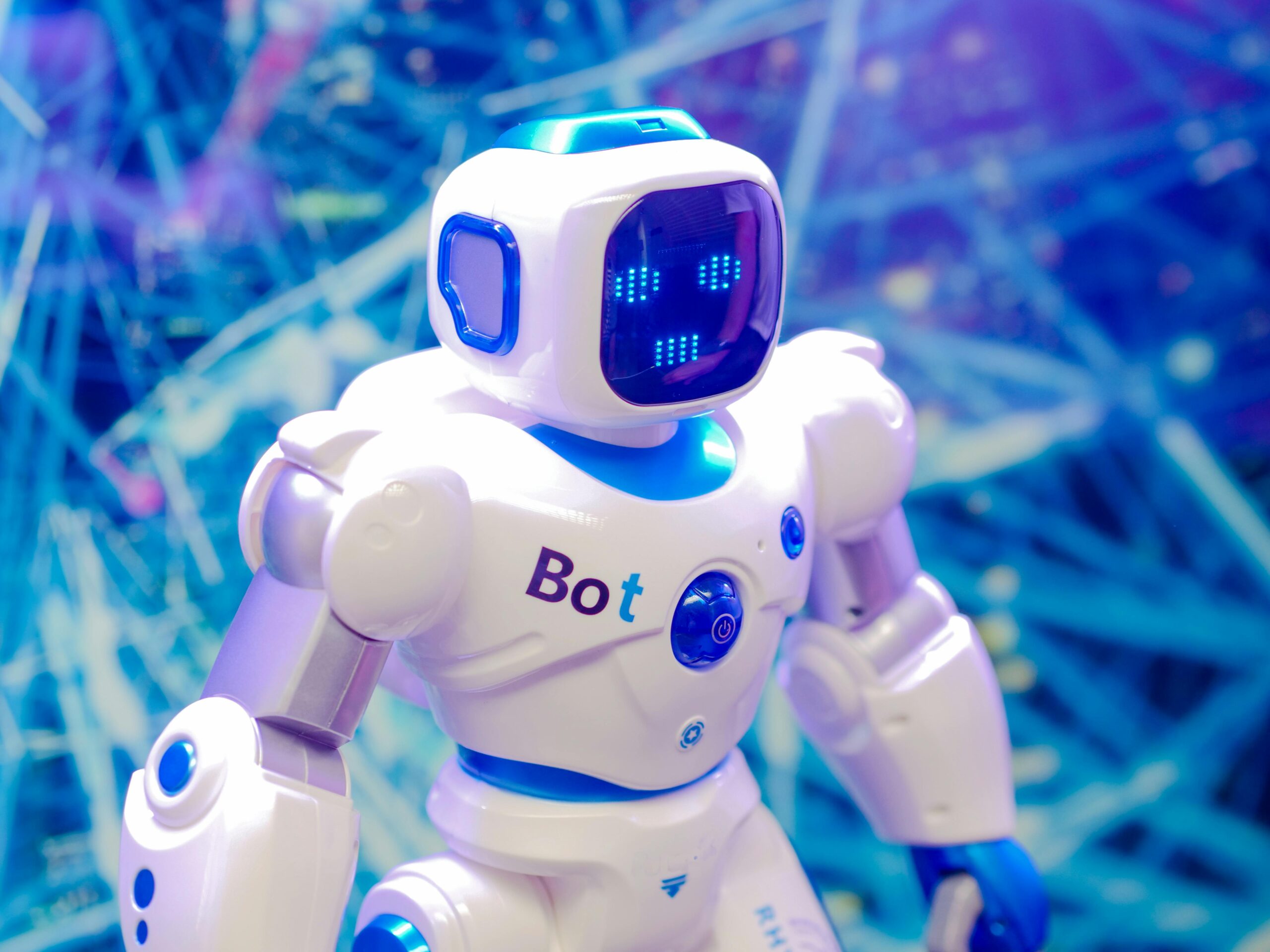
Embodied AI represents the new frontier of artificial intelligence, where advanced algorithms integrate with robotic bodies to physically interact with the environment. This technology promises to revolutionize sectors like manufacturing, healthcare, and space exploration.
Artificial intelligence is taking an extraordinary evolutionary leap: from processing virtual data to direct experience of the physical world. Embodied AI represents the convergence between intelligent algorithms and robotic bodies, creating systems capable of perceiving, manipulating, and navigating the real world with unprecedented understanding.
What is Embodied AI?
Unlike traditional AI systems that operate exclusively in the digital domain, Embodied AI integrates artificial intelligence with physical sensors, actuators, and robotic bodies. These systems don’t just process information: they experience the world through movement, touch, object manipulation, and spatial interaction.
The embodied approach is based on the principle that intelligence emerges from the dynamic interaction between mind, body, and environment. Robots equipped with Embodied AI learn through physical experience, developing an intuitive understanding of physics, geometry, and the properties of surrounding objects.
Revolutionary Applications
The potential of Embodied AI extends to numerous sectors:
- Advanced manufacturing: Robots that autonomously adapt their assembly techniques based on tactile and visual perception
- Healthcare: Robotic systems capable of assisting patients with delicate and personalized movements
- Exploration and research: Robots that navigate autonomously in unknown environments, from ocean floors to planetary surfaces
- Smart agriculture: Machines that identify and harvest fruits with human-like precision
- Advanced logistics: Systems that manage complex warehouses with flexibility and adaptability
Technical Challenges
The development of Embodied AI presents complex challenges that require innovative solutions. Real-time integration between sensory perception, cognitive processing, and motor control requires sophisticated and energy-efficient computational architectures.
Understanding the physics of the real world, with its infinite variations and uncertainties, represents a qualitative leap from managing structured data. Systems must develop intuitive models of cause and effect, friction, gravity, and object dynamics.
Towards the Future
Embodied AI is redefining the boundaries between artificial intelligence and robotics, creating systems that not only think, but also feel and act. As the technology matures, we can expect robots increasingly capable of naturally integrating into human environments, offering assistance, support, and collaboration in previously unimaginable ways.
This evolution represents a fundamental step toward a future where artificial intelligence will no longer be confined to screens, but will become a tangible physical presence, capable of transforming how we work, live, and explore the world around us.