Quantum AI represents the next frontier of artificial intelligence, combining quantum mechanics principles with machine learning algorithms. This technology promises to revolutionize sectors like cryptography, drug discovery, and optimization of complex systems.
Quantum artificial intelligence stands as one of the most promising and revolutionary frontiers in modern technology. This emerging discipline combines fundamental principles of quantum mechanics with advanced machine learning techniques, opening computational possibilities that far exceed the capabilities of classical computers.
What is Quantum AI?
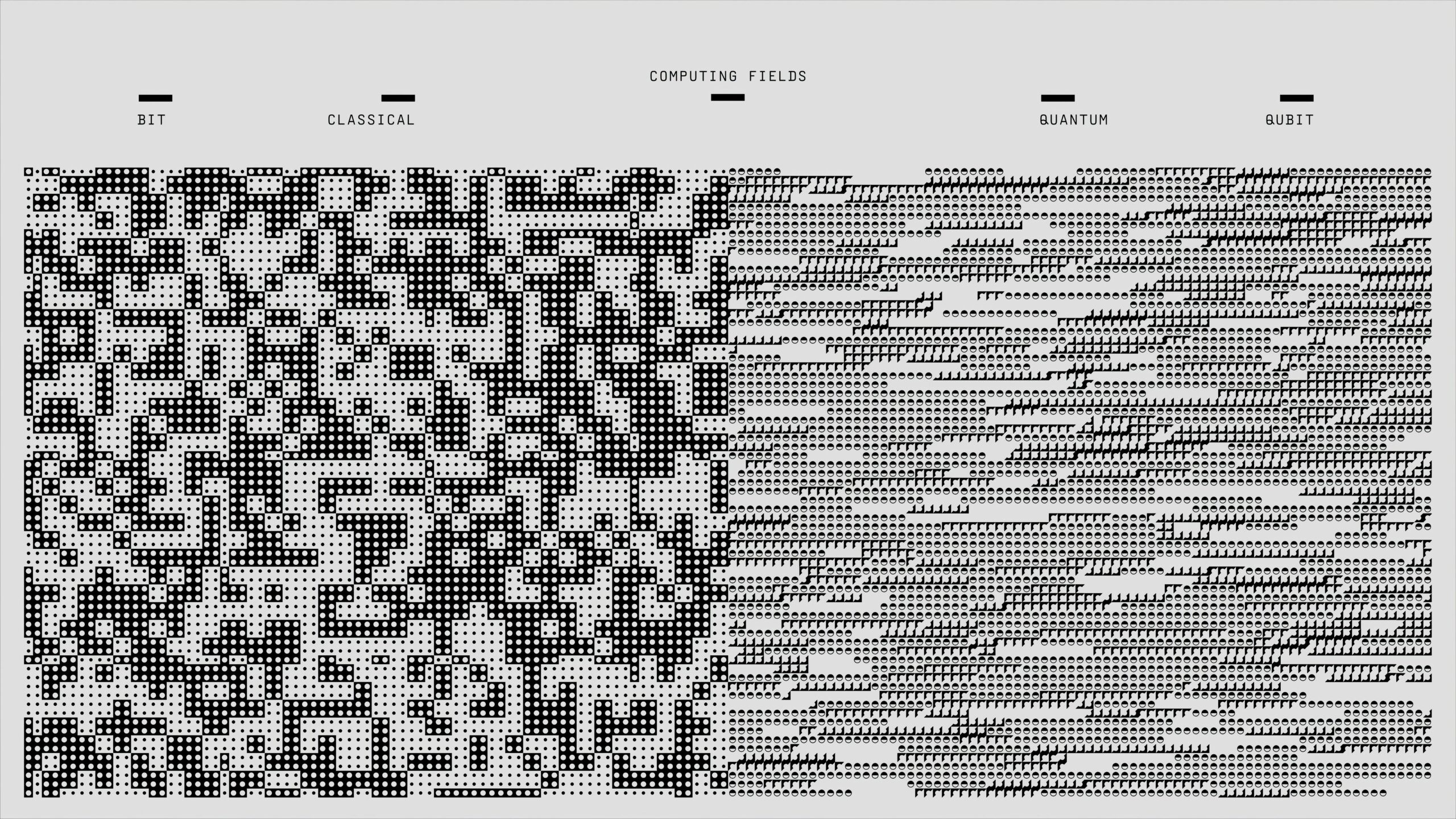
Quantum AI leverages quantum phenomena like superposition and entanglement to process information in completely new ways. While a classical bit can be either 0 or 1, a quantum bit (qubit) can exist in a superposition of both states simultaneously, enabling massive parallel computations.
This parallel processing capability allows quantum algorithms to explore multiple solutions simultaneously, drastically accelerating processes that would take years on traditional computers.
Revolutionary Applications
The potential of quantum AI extends across numerous strategic sectors:
- Drug Discovery: Quantum simulation can model complex molecular interactions, accelerating the development of new medicines and reducing research timeframes from decades to years
- Cryptography and Security: Quantum algorithms can both break and create new ultra-secure cryptographic systems, revolutionizing cybersecurity
- Logistics Optimization: Complex problems of routing, planning, and resource allocation can be solved optimally
- Advanced Artificial Intelligence: Quantum neural networks could surpass current deep learning limitations
Technical Challenges
Despite extraordinary potential, quantum AI faces significant technical challenges. Quantum computers are extremely sensitive to environmental interference and require complex operating conditions, such as temperatures near absolute zero. Quantum decoherence, the loss of quantum properties in qubits, represents one of the main obstacles to overcome.
Furthermore, developing efficient quantum algorithms requires deep understanding of both quantum mechanics and computer science, creating a steep learning curve for researchers and developers.
The Future of Quantum AI
Companies like IBM, Google, Microsoft, and specialized startups are investing billions in developing this technology. Google has already demonstrated “quantum supremacy” with its Sycamore processor, while IBM is developing increasingly powerful quantum computers accessible via cloud.
Over the next 10-15 years, quantum AI could radically transform industries like pharmaceuticals, finance, and logistics. The convergence between artificial intelligence and quantum computing represents not just a technological evolution, but a true revolution that will redefine the limits of possibility in the digital world.