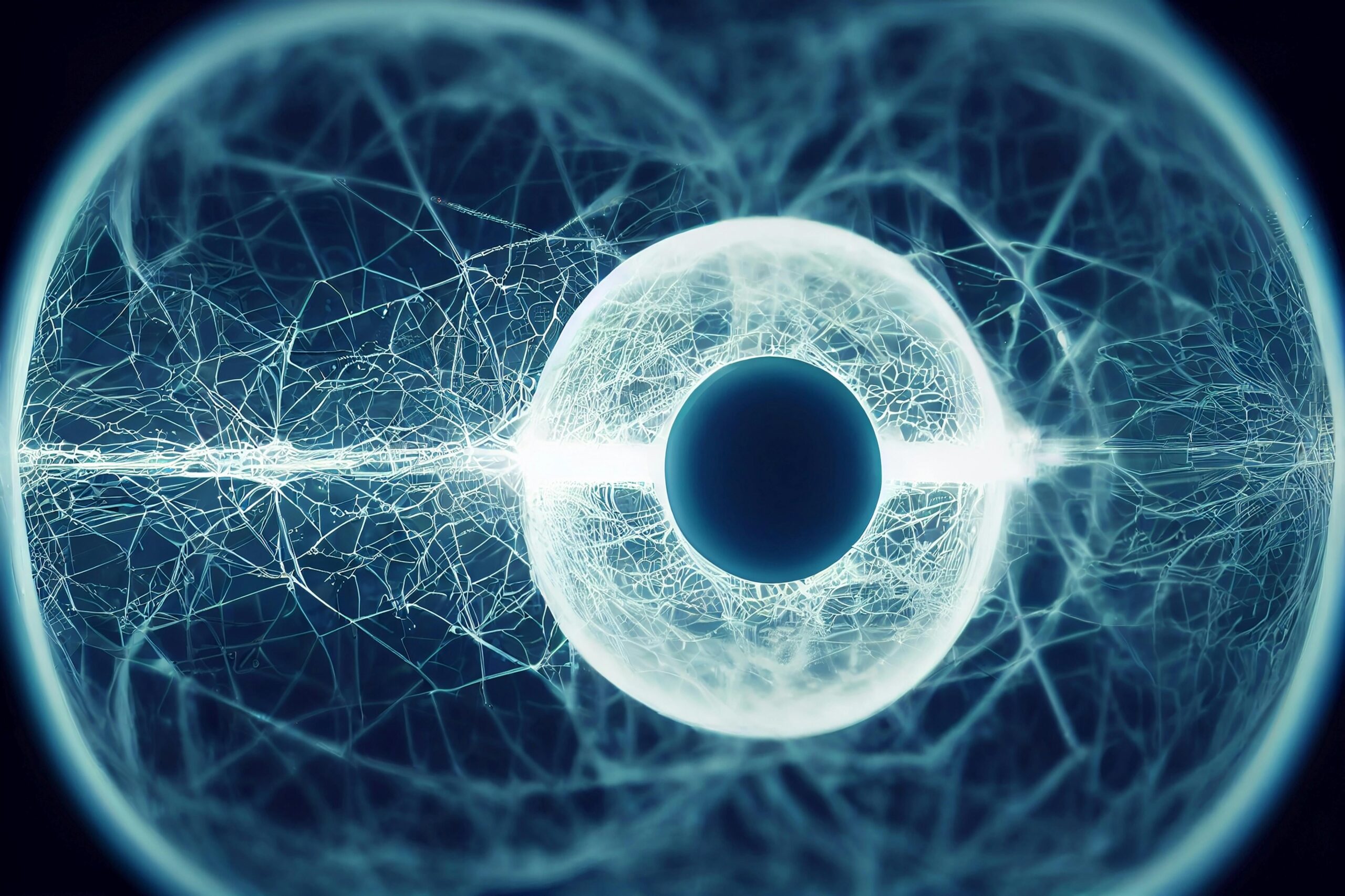
Neuromorphic AI represents a computing revolution, mimicking the structure and function of the human brain to create more efficient and intelligent systems. This technology promises to overcome the limitations of traditional computer architecture.
In the artificial intelligence landscape, a new frontier is emerging with revolutionary promises: neuromorphic AI. This innovative technology draws direct inspiration from the structure and functioning of the human brain, seeking to replicate neural mechanisms to create more efficient and powerful computing systems.
What is Neuromorphic AI?
Neuromorphic artificial intelligence represents a radically different approach to traditional computing. While conventional computers process information sequentially through processors separate from memory, neuromorphic systems mimic the brain’s neural network, where processing and memory occur simultaneously in the same structures.
These systems use spike neural networks (SNN) that communicate through discrete pulses, just like biological neurons. This approach enables more natural and energy-efficient information processing.
Revolutionary Advantages
Neuromorphic AI offers numerous advantages over traditional systems:
- Energy efficiency: Consumes up to 1000 times less energy than conventional processors
- Real-time processing: Processes information instantly without delays
- Continuous learning: Constantly adapts and learns from the surrounding environment
- Fault tolerance: Continues functioning even if some parts are damaged
- Parallel processing: Handles thousands of simultaneous operations
Practical Applications
The potential applications of neuromorphic AI are vast and touch crucial sectors:
In advanced robotics, these systems allow robots to react instantly to environmental stimuli, dramatically improving their ability to interact with the real world. Autonomous vehicles could benefit enormously from this technology, processing huge amounts of sensor data in real-time.
In the medical sector, neural prosthetics could interface directly with the human nervous system, restoring motor functions to people with spinal injuries. Additionally, implantable neuromorphic systems could continuously monitor vital parameters with minimal energy consumption.
Challenges and Future Developments
Despite enormous potential, neuromorphic AI still faces several technical challenges. Programming these systems requires new software development paradigms, while large-scale production needs innovative manufacturing processes.
Leading companies like Intel with the Loihi chip, IBM with TrueNorth, and specialized startups are investing heavily in this technology. It’s predicted that by 2030, the first commercial neuromorphic systems will be widely available.
Neuromorphic AI doesn’t just represent a technological evolution, but a true revolution that could redefine our relationship with artificial intelligence, making it more natural, efficient, and integrated into our daily lives.