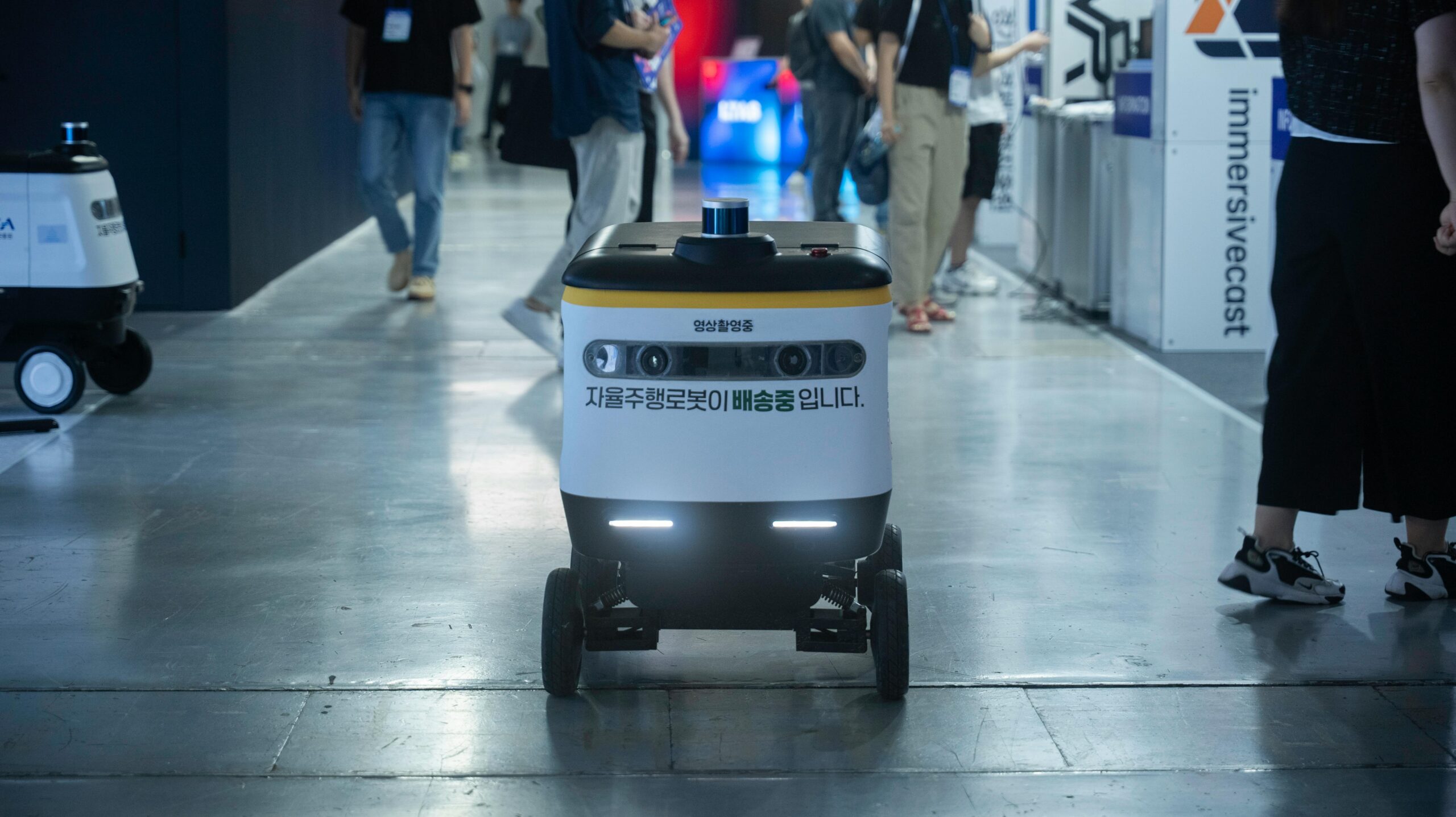
Autonomous AI Agents represent the next evolution of artificial intelligence, capable of making independent decisions and performing complex tasks without continuous human supervision. These systems are revolutionizing sectors like robotics, industrial automation, and business management.
Autonomous AI Agents are emerging as one of the most promising technologies in the modern artificial intelligence landscape. These systems represent a significant evolutionary leap: they no longer simply respond to specific commands, but can operate independently, making complex decisions and dynamically adapting to their surrounding environment.
What Are Autonomous AI Agents
An Autonomous AI Agent is an artificial intelligence system designed to operate independently toward predetermined objectives. Unlike traditional AI systems that require specific inputs for each action, these agents can:
- Perceive the environment through sensors and data
- Process information in real-time
- Make decisions based on learning algorithms
- Execute physical or digital actions
- Learn from experience to improve performance
Revolutionary Applications
In the industrial robotics sector, autonomous agents are transforming production chains. Robots equipped with this technology can adapt to new production situations, automatically optimize processes, and even collaborate with each other without explicit programming.
In business automation, these systems manage complex workflows, from inventory management to logistics planning, significantly reducing human intervention and minimizing operational errors.
In the field of cybersecurity, autonomous agents continuously monitor networks, identify threats in real-time, and implement automatic countermeasures, offering 24/7 protection more effective than traditional systems.
Advantages and Challenges
Key advantages include dramatic reduction in operational costs, elimination of human errors, and the ability to operate in dangerous or inaccessible environments. However, significant challenges also emerge related to control, ethics, and accountability for decisions made autonomously by machines.
The issue of decision transparency is particularly critical: understanding the decision-making process of an autonomous agent becomes essential to maintain trust and ensure predictable outcomes.
The Future of Autonomous Agents
Experts predict that by 2030, Autonomous AI Agents will become standard components in sectors like healthcare, where they could autonomously manage preliminary diagnoses and patient monitoring, and in transportation, with fully autonomous vehicles communicating with each other to optimize urban traffic.
This technology represents a fundamental step toward a future where artificial intelligence will no longer be just a tool, but an active partner capable of operating alongside humans with increasing independence and effectiveness.