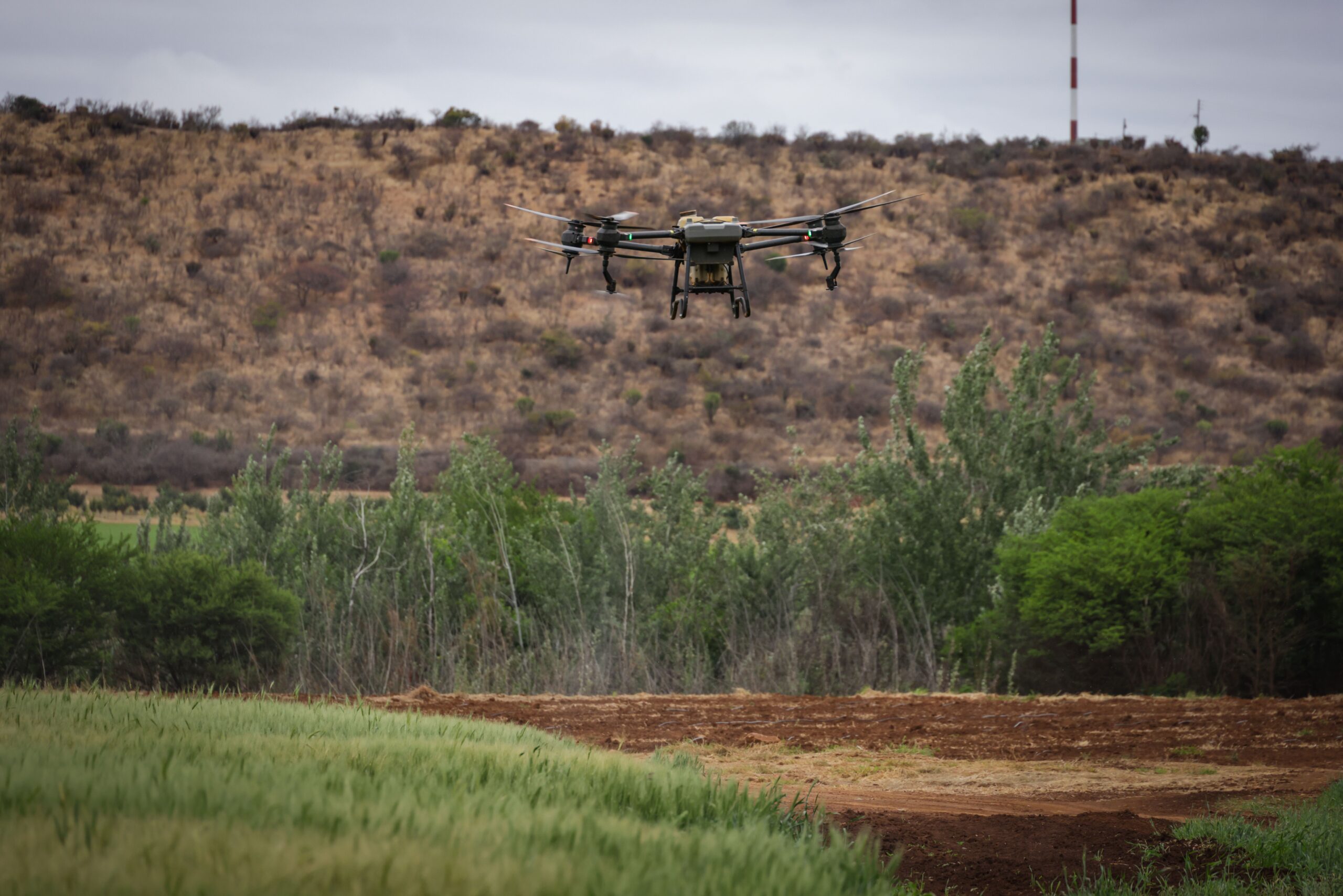
From satellite field analysis to robots harvesting fruit with millimeter precision, AI is transforming agriculture into a precision-driven sector capable of feeding an increasingly hungry planet with fewer resources. Let’s explore how sensors, drones, and predictive algorithms are redesigning the farms of tomorrow.
Agriculture, one of humanity’s oldest activities, is undergoing a quiet but profound transformation thanks to artificial intelligence. It’s no longer just about tractors and selected seeds: today fields are monitored by intelligent sensors, drones, and satellites that collect real-time data to optimize every phase of agricultural production.
This revolution, known as precision agriculture, allows farmers to make decisions based on concrete data rather than experience passed down through generations. The result is more efficient, sustainable agriculture capable of responding to the challenges of climate change.
Sensors and Big Data in the Fields
IoT sensor networks distributed across farmland constantly collect information on soil moisture, temperature, nutrient levels, and pest presence. This data feeds machine learning algorithms capable of accurately predicting when to irrigate, fertilize, or intervene against plant diseases.
- Water consumption reduction up to 30% through smart irrigation systems
- Decreased pesticide use through early infestation detection
- Fertilization optimization based on actual soil needs
Drones and Computer Vision
Drones equipped with multispectral cameras fly over fields capturing images that computer vision algorithms analyze to identify areas of vegetative stress, nutritional deficiencies, or infestations not yet visible to the human eye. This ability to detect problems early enables targeted interventions that save entire crops.
The same technologies are used to accurately estimate production yields before harvest, allowing farmers to better plan logistics, sales, and storage.
Agricultural Robotics and Automated Harvesting
One of the most fascinating developments involves robots equipped with mechanical arms and artificial vision systems capable of recognizing the ripeness of fruit and harvesting it gently, without damaging it. These systems work continuously, addressing the growing shortage of seasonal labor in many agricultural regions worldwide.
Sorting and grading agricultural products also benefits from AI: high-resolution cameras analyze the shape, color, and size of fruits and vegetables, automatically discarding specimens that don’t meet quality standards.
Climate Forecasting and Risk Management
AI-based predictive models process enormous amounts of historical and real-time weather data to anticipate extreme climate events such as droughts, frosts, or floods. This allows farmers to adopt preventive strategies, protecting crops and reducing economic losses.
Toward Regenerative Agriculture
Beyond production efficiency, artificial intelligence is contributing to regenerative agricultural practices that restore soil health and biodiversity. Optimization algorithms help plan crop rotations and companion planting that improve natural soil fertility over the long term.
Despite challenges related to initial costs and the need for digital training for farmers, adoption of these technologies is accelerating worldwide. The future of agriculture will be increasingly driven by data, algorithms, and automation, but with the fundamental goal of preserving natural resources for future generations, demonstrating that technological innovation and sustainability can go hand in hand.