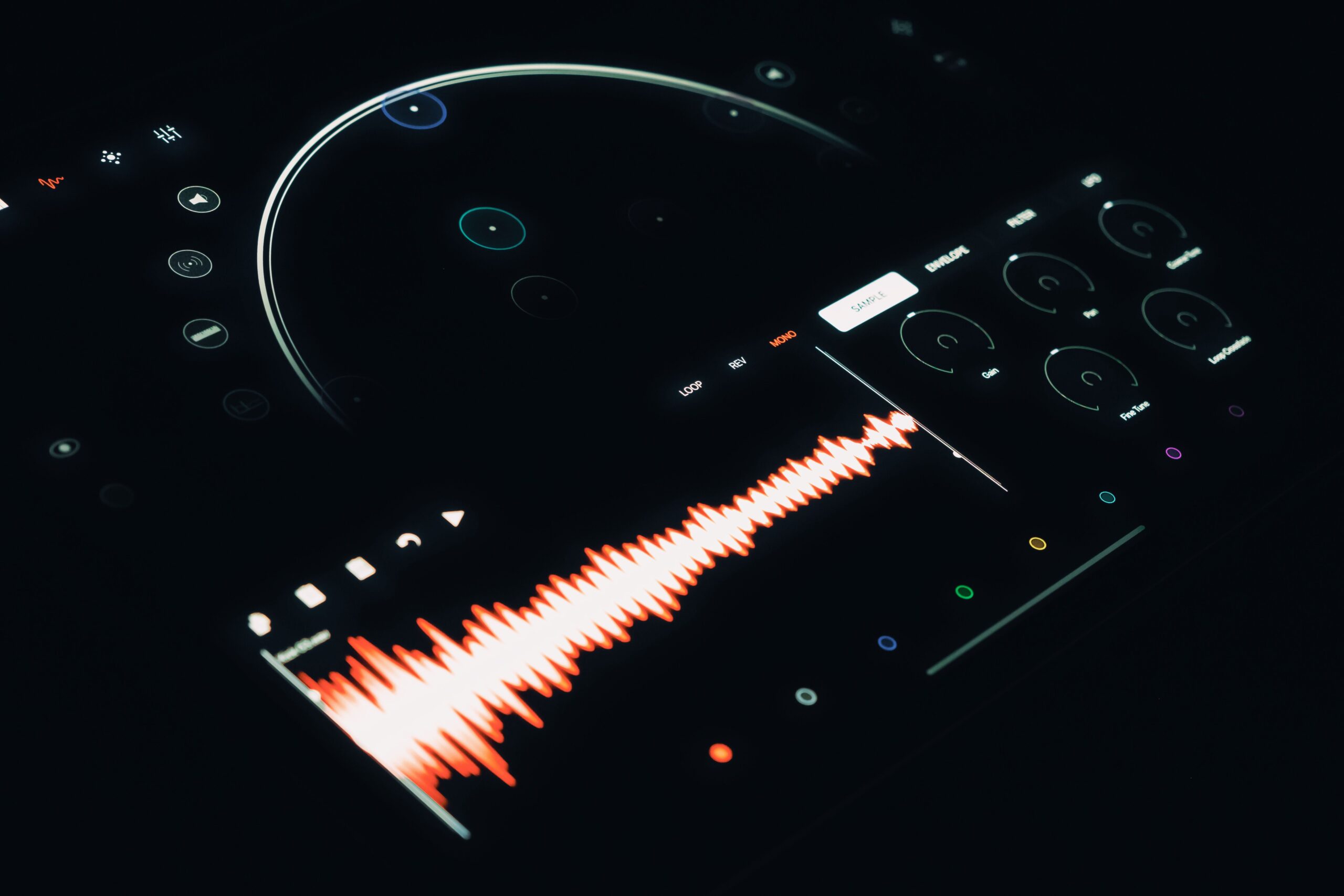
From algorithmic composers to synthetic voices indistinguishable from the original, AI is transforming how music is created, produced, and experienced. A journey through artistic opportunities and new challenges for musicians and the recording industry.
Music, long considered one of the most profoundly human languages, is undergoing a radical transformation thanks to artificial intelligence. This isn’t just about digital production tools anymore, but genuine systems capable of composing melodies, generating complex arrangements, and even imitating vocal timbres with astonishing precision.
In recent years, platforms have emerged that can create complete musical tracks starting from simple text descriptions: just specify a genre, mood, or theme, and the algorithm generates an original composition in seconds. This has democratized access to music creation, allowing even those without technical training to bring complex sonic ideas to life.
The Tools Changing the Recording Studio
Professional music producers increasingly use AI as a creative collaborator. Some significant examples include:
- Automatic mastering systems that optimize a track’s sound according to professional standards, drastically reducing post-production time
- Melody and chord progression generators that offer creative sparks when the classic ‘blank page’ blocks inspiration
- Track separation software that isolates vocals, instruments, and percussion from an already recorded mix, opening new possibilities for remixing and sampling
- Voice synthesis models capable of recreating specific timbres, simultaneously raising important ethical and copyright questions
Synthetic Voice and the Authenticity Debate
One of the most controversial aspects concerns voice cloning. Advanced technologies now allow the generation of vocal performances that faithfully reproduce an artist’s voice, even without their direct involvement. This has sparked a heated debate in the recording industry: some artists see these tools as an opportunity for experimentation, while others express concern about unauthorized exploitation of artistic identity.
Several record labels are negotiating agreements to regulate the use of AI voice technology, while some musicians have chosen to actively collaborate with these technologies, training models on their own voice to create authorized experimental projects.
Assisted Composition: Collaboration, Not Replacement
Contrary to initial fears, many composers emphasize that AI works best as a support tool rather than a substitute for human creativity. Generative systems excel at proposing variations, exploring unusual harmonic combinations, and speeding up the arrangement process, but final choices, aesthetic taste, and emotional intent remain the artist’s prerogative.
Film and video game composers are integrating these tools into their workflow, using them to quickly generate sound sketches to be refined later, reducing production times that traditionally required weeks.
Toward a New Sonic Ecosystem
Artificial intelligence is also redefining how music is distributed and discovered. Increasingly sophisticated recommendation algorithms analyze listening preferences to suggest tracks generated specifically to match individual tastes, opening unprecedented scenarios for large-scale musical personalization.
The future of music will likely be dominated not by humans or machines alone, but by an unprecedented synergy between artistic intuition and computational power, capable of expanding creative boundaries never explored before.