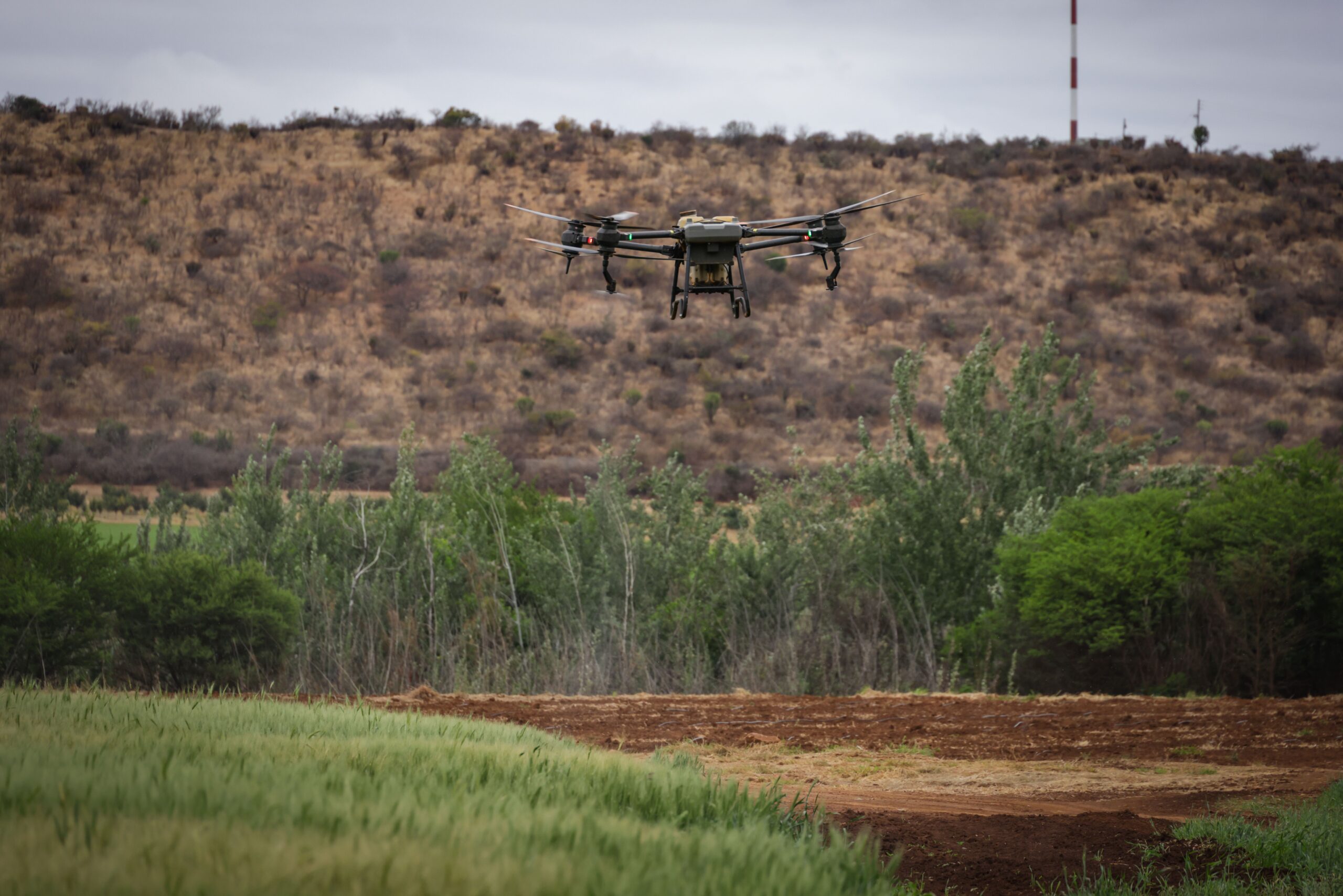
From drones mapping fields to sensors predicting plant diseases, artificial intelligence is transforming traditional farming into a science of precision. Discover how this silent revolution is tackling the challenges of global food security.
As the world’s population continues to grow and natural resources become increasingly scarce, agriculture faces one of the most complex challenges in human history: producing more food with less land, less water, and less environmental impact. In this scenario, artificial intelligence is emerging as a fundamental ally for farmers worldwide, transforming age-old practices into data-driven processes.
Precision agriculture represents one of the most mature applications of AI in this sector today. Through the combined use of drones, satellites, and IoT sensors distributed across fields, algorithms can analyze in real time the health status of crops, soil moisture levels, and the presence of pests or diseases. This data is then processed by machine learning models capable of generating detailed prescription maps, indicating exactly where and when to intervene with water, fertilizers, or crop protection treatments.
Prediction and Prevention: AI as the Sentinel of the Fields
One of the most revolutionary aspects of artificial intelligence in agriculture concerns its predictive capabilities. Algorithms trained on decades of weather data, harvest history, and satellite information can anticipate critical events such as droughts, sudden frosts, or fungal epidemics weeks in advance. This allows farmers to intervene preventively, drastically reducing crop losses.
Computer vision applications, in particular, are revolutionizing phytosanitary monitoring. High-resolution cameras mounted on drones or ground robots capture images of plants that are analyzed by neural networks trained to recognize early signs of disease, nutritional deficiencies, or infestations, often before they are visible to the human eye.
Agricultural Robotics and Intelligent Automation
The sector is also witnessing a growing diffusion of autonomous agricultural robots, capable of performing tasks ranging from precision seeding to selective harvesting of fruits and vegetables. These systems use AI to distinguish between ripe and unripe produce, assess fruit quality, and even identify weeds to eliminate without the use of pesticides.
- Autonomous tractors guided by GPS and computer vision for millimeter-precise soil work
- Smart irrigation systems that optimize water consumption based on the actual needs of plants
- Selective harvesting robots capable of operating 24 hours a day, reducing dependence on seasonal labor
- Predictive analytics platforms for optimal management of post-harvest inventory and logistics
Toward Sustainable and Resilient Agriculture
The positive environmental impact of these technologies cannot be underestimated. By reducing the indiscriminate use of water, fertilizers, and pesticides, AI-driven agriculture significantly contributes to the sector’s sustainability. Some studies indicate reductions of up to 30% in water consumption and 20% in the use of chemical products, while maintaining or even improving production yields.
Of course, the adoption of these technologies is not without obstacles. The initial cost of investment, the need for internet connectivity in rural areas, and farmer training represent significant barriers, especially in developing countries. However, government initiatives and public-private partnerships are working to democratize access to these innovations, recognizing that the future of global food security inevitably passes through the intelligent integration of nature and technology.