Artificial Intelligence is revolutionizing the logistics sector, making supply chains more efficient, sustainable and resilient. From warehouse management to demand forecasting, discover how algorithms are transforming the way goods and products travel across the world.
The logistics sector is undergoing a quiet but profound transformation thanks to Artificial Intelligence. Behind every package we receive at home, every supermarket shelf restocked on time, and every container ship crossing the oceans, sophisticated algorithms now optimize every phase of the process, from production to final delivery.
Logistics companies have always faced complex challenges: predicting demand, managing thousands of variables simultaneously, minimizing costs and reducing environmental impact. AI has proven to be the ideal tool to tackle this complexity, analyzing enormous amounts of data in real time to make decisions that once required days of human planning.
Demand Forecasting and Inventory Management
One of the areas where AI has had the most significant impact is demand forecasting. Machine learning algorithms analyze historical sales data, seasonal trends, special events and even weather conditions to accurately predict how much stock will be needed at each point of sale or warehouse. This allows companies to:
- Reduce waste related to unsold or expired products
- Avoid stockouts that damage customer experience
- Optimize storage space in warehouses
- Plan industrial production in advance
Route Optimization and Fleet Management
AI systems have also revolutionized transportation fleet management. Advanced algorithms calculate the most efficient routes in real time, considering traffic, road conditions, fuel consumption and delivery time windows. Modern platforms can instantly recalculate routes when unexpected events occur, such as road accidents or sudden delays, while still ensuring delivery deadlines are met.
This ability for dynamic adaptation not only improves operational efficiency but also significantly contributes to reducing CO2 emissions, an increasingly relevant aspect for companies that must comply with ever stricter environmental regulations.
Smart Warehouses and Robotics
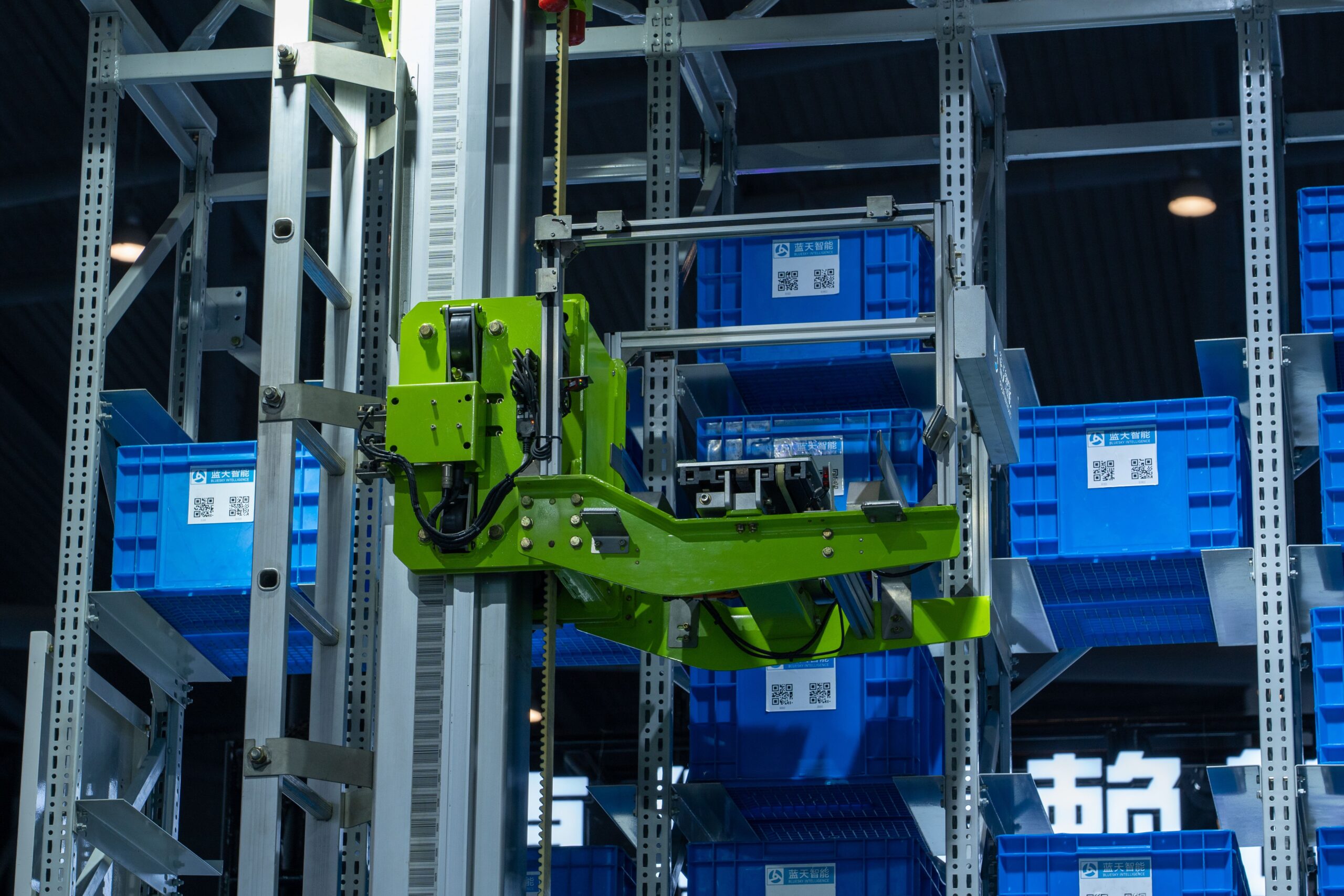
In modern distribution centers, autonomous robots guided by AI work side by side with human operators. These systems can identify, pick and sort products with millimetric precision, drastically reducing order processing times. The automated warehouses of major e-commerce companies represent the clearest example of how AI can manage thousands of simultaneous operations while maintaining extremely high accuracy standards.
Supply Chain Resilience
Events of recent years have shown just how fragile a global supply chain can be. AI now offers predictive tools capable of identifying potential disruptions before they occur, analyzing signals from diverse sources: geopolitical news, extreme weather conditions, commodity market fluctuations. This allows companies to activate contingency plans in advance, diversifying suppliers or modifying transport routes before a crisis becomes unmanageable.
The future of logistics will increasingly be driven by integrated predictive systems, capable of orchestrating the entire value chain autonomously and intelligently. Companies that invest in these technologies today will find themselves at a significant competitive advantage, offering faster, more economical and sustainable services in an increasingly demanding global market.