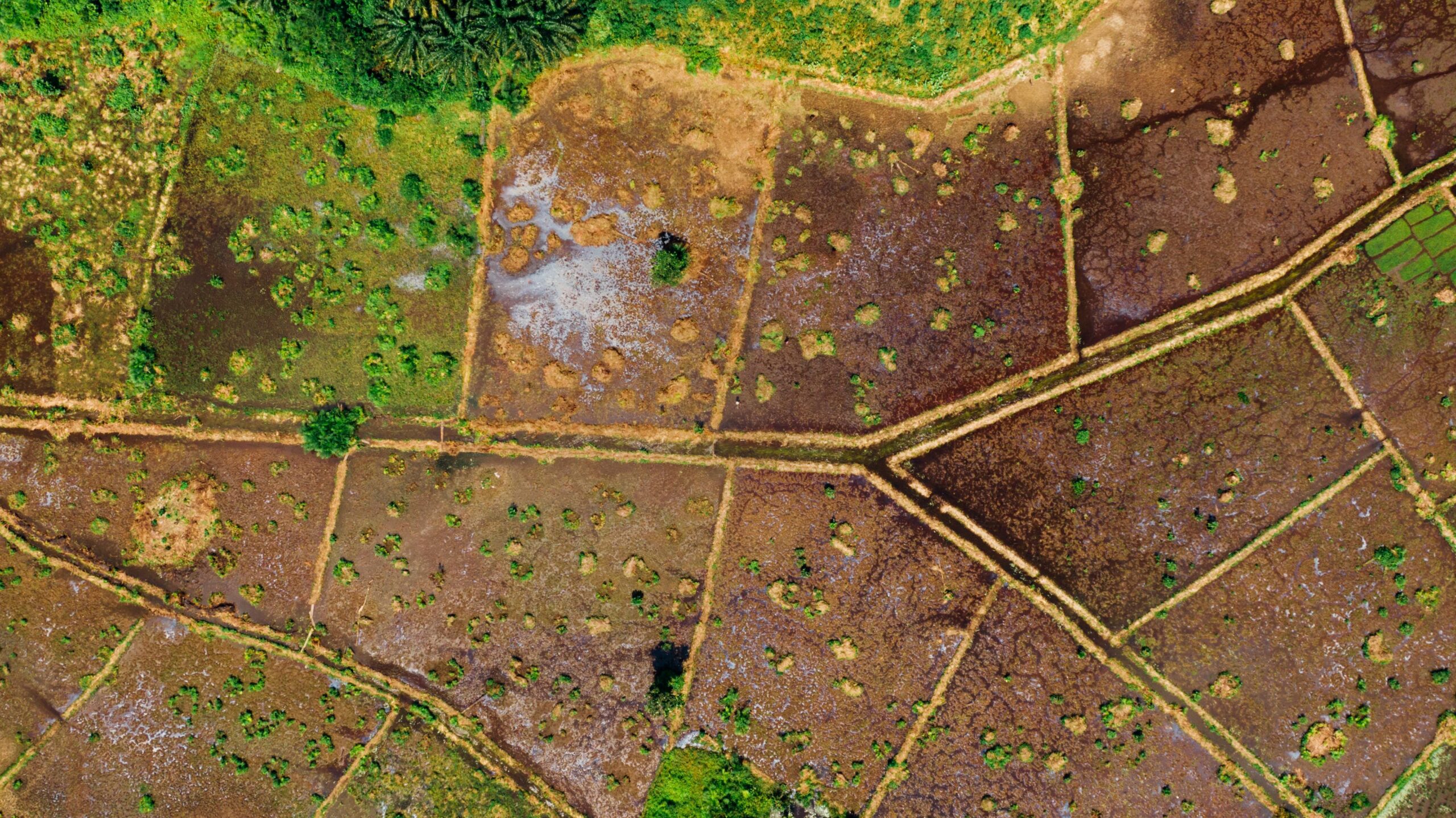
Artificial intelligence is turning fields into digital ecosystems, enabling millimeter-precise optimization of irrigation, fertilizers, and harvests. A journey through drones, sensors, and machine learning that is reshaping the face of global agriculture.
Agriculture, one of humanity’s oldest activities, is undergoing a quiet yet radical transformation thanks to artificial intelligence. It’s no longer just about tractors and plows, but algorithms analyzing satellite imagery, sensors monitoring soil moisture in real time, and predictive systems capable of anticipating plant diseases before they even become visible.
This revolution is called precision agriculture, an approach that leverages data and algorithms to make targeted decisions, reducing waste and increasing crop yields. The shift is profound: moving from a uniform model, where every hectare receives the same treatment, to differentiated management, field by field, plant by plant.
Drones and Computer Vision in the Fields
Drones equipped with multispectral cameras fly over crops capturing information invisible to the human eye, such as water stress or early signs of pest infestation. Computer vision algorithms process these images, identifying problem areas with centimeter precision, enabling targeted interventions rather than blanket treatments across entire plots.
- Real-time crop health mapping
- Early detection of fungal and bacterial diseases
- Automatic yield estimation before harvest
- Up to 30% reduction in pesticide use
Sensors and Big Data for Smart Irrigation
Water is an increasingly precious resource, and AI is helping manage it with unprecedented efficiency. Networks of underground sensors constantly measure soil moisture, temperature, and chemical composition, sending data to cloud platforms where predictive models calculate the exact water needs of each crop.
These systems don’t just react to current conditions but anticipate future scenarios by cross-referencing weather data, harvest history, and soil characteristics. The result is precision irrigation that can reduce water consumption by up to 25%, a crucial figure in an era marked by increasingly frequent droughts.
Machine Learning for Crop Selection
Another frontier of innovation involves genetic optimization and variety selection. Machine learning algorithms analyze millions of genetic combinations to identify varieties most resistant to specific climate conditions or pests, accelerating processes that traditionally required decades of natural selection.
Agritech companies are also developing platforms that aggregate data from thousands of farms, creating increasingly accurate predictive models thanks to scale effects. The more data collected, the more precise systems become at suggesting optimal farming practices for each specific microclimate.
Challenges to Address
Despite the evident benefits, AI adoption in agriculture faces concrete obstacles. The initial cost of technology remains high for many small farms, especially in developing countries. Additionally, limited internet connectivity in rural areas represents a significant barrier to real-time data transmission.
There’s also a cultural aspect: many farmers, especially from older generations, show resistance toward tools perceived as complex or less reliable compared to knowledge passed down through generations.
Looking to the Future
In the coming years, the integration of artificial intelligence, robotics, and biotechnology promises to make agriculture increasingly sustainable and efficient. Autonomous robots for selective harvesting, hyperlocal climate prediction systems, and intuitive decision-making platforms will make these technologies accessible even to smaller farming operations, helping ensure food security for a constantly growing world population.