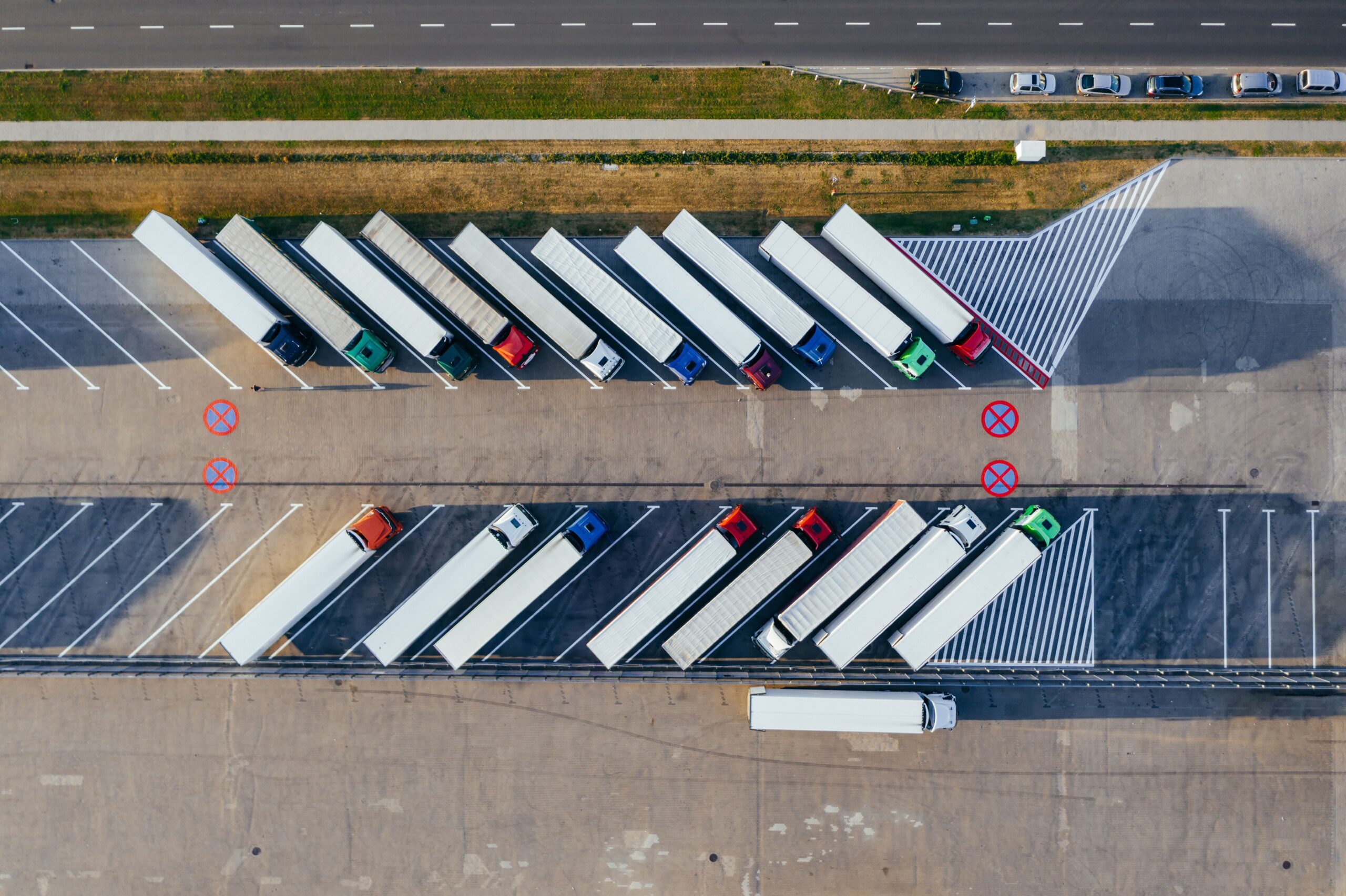
Artificial intelligence is radically transforming how goods and information move around the world, optimizing routes, predicting demand, and making warehouses nearly autonomous. Let’s explore how this silent revolution is reshaping global commerce.
Behind every package that arrives on time at our door lies a complex network of algorithmic decisions. Artificial intelligence has become the invisible engine coordinating millions of shipments, warehouses, and vehicles worldwide, transforming logistics from a traditionally manual sector into a highly predictive digital ecosystem.
Demand Forecasting: Anticipating the Future
One of AI’s most significant contributions to logistics concerns demand forecasting. Machine learning algorithms analyze sales history, seasonal trends, local events, and even weather data to accurately estimate how many products will be needed at a given place and time. This allows companies to drastically reduce excess inventory and avoid stockouts, two problems that traditionally cost billions of dollars every year.
Real-Time Route Optimization
AI systems calculate delivery routes considering multiple, constantly changing variables: traffic, weather conditions, fuel consumption, delivery windows, and even the position of other fleet vehicles. These algorithms don’t just find the shortest path, but the overall most efficient one, reducing travel times and CO2 emissions.
- Fuel cost reductions of up to 15% thanks to optimized routes
- Decreased delivery times through dynamic route recalculation
- Better fleet allocation based on real-time demand
- Reduced carbon footprint of freight transport
Smart Warehouses and Collaborative Robotics
In modern distribution centers, robots equipped with computer vision collaborate with human operators to pick, pack, and sort products with a precision unimaginable just a few years ago. These systems continuously learn from their own mistakes, improving operational efficiency day by day. The combination of artificial intelligence and physical automation is making warehouses faster, safer, and better able to handle sudden demand spikes, such as those typical of the holiday season or Black Friday.
Predictive Fleet Maintenance
AI doesn’t just manage the flow of goods, it also monitors the health of the vehicles themselves. IoT sensors installed on trucks and vans collect data on engines, tires, and brakes, allowing algorithms to predict failures before they occur. This approach reduces unplanned downtime and increases road safety.
Challenges to Address
Despite the clear benefits, adopting AI in logistics presents concrete obstacles. The quality and integration of data from heterogeneous sources remain a significant technical challenge. Additionally, growing automation raises questions about the future of employment in transportation and sorting sectors, requiring reskilling strategies for affected workers.
The future of logistics will increasingly be defined by predictive and autonomous systems, capable of anticipating problems before they happen and adapting in real time to changing conditions. Companies that successfully integrate these tools will gain a decisive competitive advantage in an increasingly fast and demanding global market.