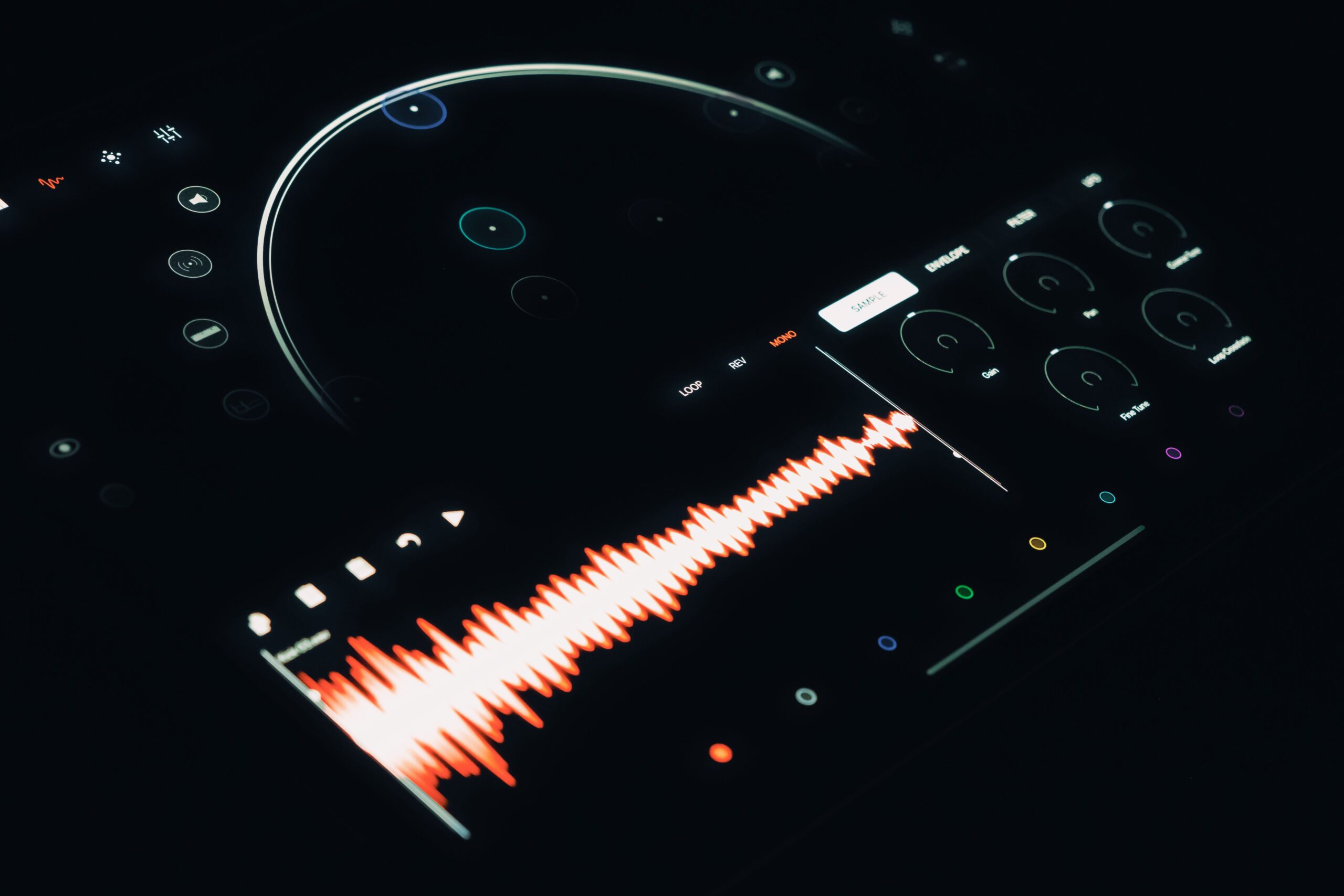
From automatic composition to intelligent audio production, AI is radically transforming the music world. Let’s explore how algorithms and neural networks are redefining creativity, production, and music consumption, opening new frontiers for artists and listeners alike.
Music, long considered one of the most intimate and human territories of creativity, is undergoing an unprecedented transformation thanks to artificial intelligence. Sophisticated algorithms are now capable of composing melodies, generating complex arrangements, and even mimicking the style of celebrated artists, raising fascinating questions about the future of musical creation.
Tools like AIVA, Amper Music, and Google’s MusicLM have demonstrated that neural networks can generate original compositions starting from simple text descriptions or emotional parameters. These systems analyze thousands of tracks to learn harmonic structures, chord progressions, and rhythmic patterns, then recombine these elements creatively and surprisingly coherently.
Music Production in the AI Era
Beyond composition, artificial intelligence is also revolutionizing the technical phases of music production. Automatic mastering, for example, allows independent musicians to achieve professional results without resorting to expensive recording studios.
- Intelligent mixing: algorithms that automatically balance frequencies and volumes for a well-rounded sound
- Track separation: technologies capable of isolating vocals and instruments from already-mixed recordings
- Stem generation: automatic creation of customized musical backing tracks for remixes and covers
- Audio restoration: cleaning and enhancing historical or low-quality recordings
Platforms like LANDR use machine learning to offer instant mastering services, analyzing tracks and applying optimal corrections in seconds—a process that traditionally required hours of manual work by specialized sound engineers.
New Forms of Artist-Machine Collaboration
Many contemporary musicians don’t view AI as a threat, but rather as a new creative tool to integrate into their artistic process. Artists like Holly Herndon have explored direct collaborations with artificial intelligence models, creating sonic hybrids that challenge the distinction between human and algorithmic composition.
This approach has given rise to a new genre of musical experimentation, where AI acts as a creative partner capable of suggesting unexpected variations, generating innovative sound textures, or proposing harmonic solutions that a human composer might not consider.
The Personalized Listening Experience
The way we consume music is also changing radically. AI-based recommendation systems, used by platforms like Spotify and Apple Music, analyze not only explicit user preferences but also complex behavioral patterns to create increasingly personalized listening experiences.
Emerging technologies are also experimenting with real-time adaptive soundtrack generation, capable of dynamically modifying music based on context, detected emotions, or listener activities, opening interesting scenarios for video games, wellness applications, and interactive multimedia content.
Ethical Questions and the Future of Creativity
Naturally, this revolution raises important questions regarding copyright, artistic originality, and the value of human creative work. Who holds the rights to a song composed by an AI? How can we protect artists whose style is replicated by algorithms trained on their tracks?
The debate remains open, but one thing appears clear: artificial intelligence will not replace human creativity, but is profoundly transforming it, offering new expressive tools and democratizing access to professional music production for artists of every background and economic level.