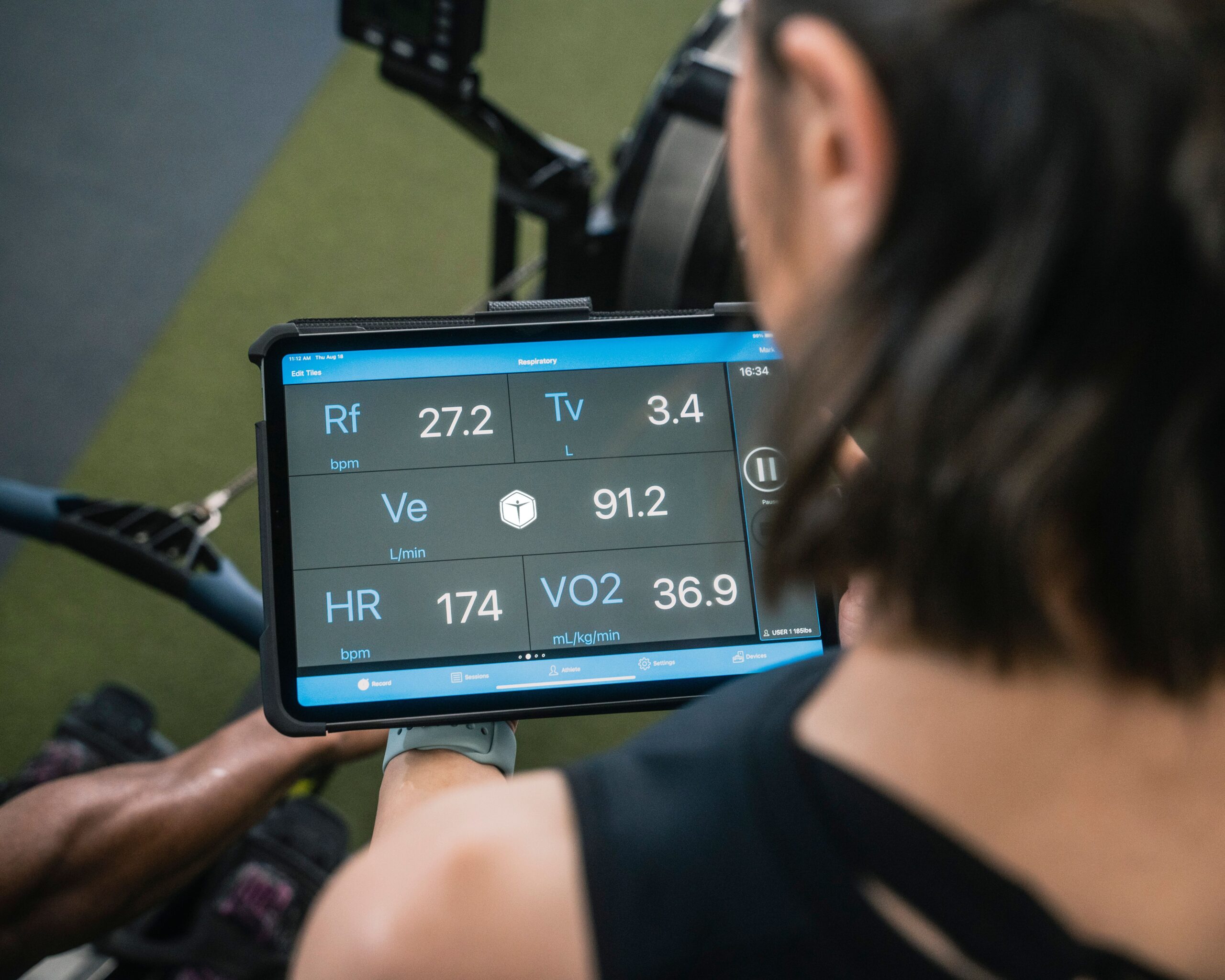
From biomechanical analysis to injury prevention, AI is revolutionizing professional sports. Smart sensors and predictive algorithms are helping athletes and coaches optimize every aspect of performance.
The world of professional sports is undergoing a quiet but profound transformation thanks to artificial intelligence. It’s no longer just about game statistics, but a granular analysis touching every aspect of athletic preparation, from movement biomechanics to injury prevention, to real-time race strategy.
Sensors and Computer Vision for Performance Analysis
Professional teams now use computer vision systems capable of tracking every movement athletes make during training and competitions. High-speed cameras combined with deep learning algorithms analyze joint angles, running speed, acceleration and deceleration with precision impossible for the human eye. This data allows coaches to identify technical inefficiencies and personalize training programs with unprecedented detail.
Injury Prevention: Predicting Before It Happens
One of the most promising areas involves injury prevention. Predictive models analyze workloads, muscle fatigue patterns, and historical data to identify at-risk athletes before an injury manifests. Several football and basketball teams in Europe and the United States have significantly reduced muscle injuries by implementing these systems, which suggest in real-time when to reduce a specific player’s training load.
- Wearable sensors monitoring heart rate, oxygen saturation, and lactate levels
- Algorithms analyzing movement asymmetry as a risk indicator
- Recommendation systems for personalized post-training recovery
- Platforms integrating sleep and nutrition data into overall assessment
Data-Driven Race Strategy
During competitions, AI provides real-time strategic support. In tennis, systems used at Grand Slams analyze opponents’ playing patterns to suggest optimal tactics. In football, algorithms process millions of tactical combinations to identify the most effective formations against specific opponents, analyzing historical video and positioning statistics.
Democratizing High-Level Training
What makes this revolution particularly interesting is its increasing accessibility. AI-based fitness apps now offer amateur athletes analysis tools that were exclusively reserved for professionals until a few years ago. Smartphone applications can analyze running through the camera, suggesting postural corrections to improve efficiency and reduce injury risk.
The Ethical Challenges of Constant Monitoring
This transformation is not without delicate issues. Constant monitoring of athletes raises questions about biometric data privacy and the boundary between performance optimization and invasive surveillance. Some sports unions have begun negotiating specific clauses on the use of data collected through sensors, demanding greater transparency about how this information is used in contractual decisions.
The Future: Toward the Data-Augmented Athlete
Looking ahead, the integration between artificial intelligence and sports promises even more sophisticated developments: digital twin simulations of athletes to virtually test different training strategies, augmented reality systems for technical training, and algorithms capable of predicting a young talent’s career trajectory. The sport of the future will increasingly be a synergy between human intuition and algorithmic processing, where technology doesn’t replace talent but amplifies it, allowing athletes to reach previously unimaginable performance levels.