From novels crafted with AI assistance to poems composed by neural networks, artificial intelligence is becoming a new voice in literature. A journey through tools, creative opportunities, and questions about authorship in the age of algorithms.
Creative writing has always been considered one of the most intimate and human territories of artistic expression. Yet in recent years, artificial intelligence has begun to make its presence felt in this domain, offering tools capable of generating short stories, poems, and even entire novels. These are no longer simple grammar checkers, but genuine digital collaborators able to suggest plots, develop characters, and experiment with literary styles.
Modern language models, trained on vast quantities of text, have acquired a surprising ability to imitate different writing styles, from nineteenth-century prose to the most fragmented contemporary language. Writers and editors are beginning to use these tools not to replace their own voice, but to overcome creative block, explore narrative variants, or quickly generate drafts to rework.
New Tools for Authors and Poets
Numerous platforms now allow co-creation of texts with AI in increasingly sophisticated ways:
- Plot generators that propose alternative narrative developments starting from an initial idea
- Character-building assistants with detailed biographies and coherent narrative arcs
- Style analysis tools that compare an author’s writing with that of great classics
- Poetry generation systems capable of respecting complex meters and rhyme schemes
- Intelligent editing software that suggests stylistic improvements while preserving the original voice
These tools are democratizing access to writing, allowing those without traditional literary training to experiment with forms of expression once reserved for the few. At the same time, established authors are using them as experimental laboratories to explore uncharted narrative territories.
The Authorship Debate
The growing use of AI in creative writing raises complex questions regarding intellectual property and artistic authenticity. When a text emerges from collaboration between human and algorithm, who is truly its author? Publishing houses and literary magazines are developing specific policies to manage transparency around the use of AI tools in submitted manuscripts.
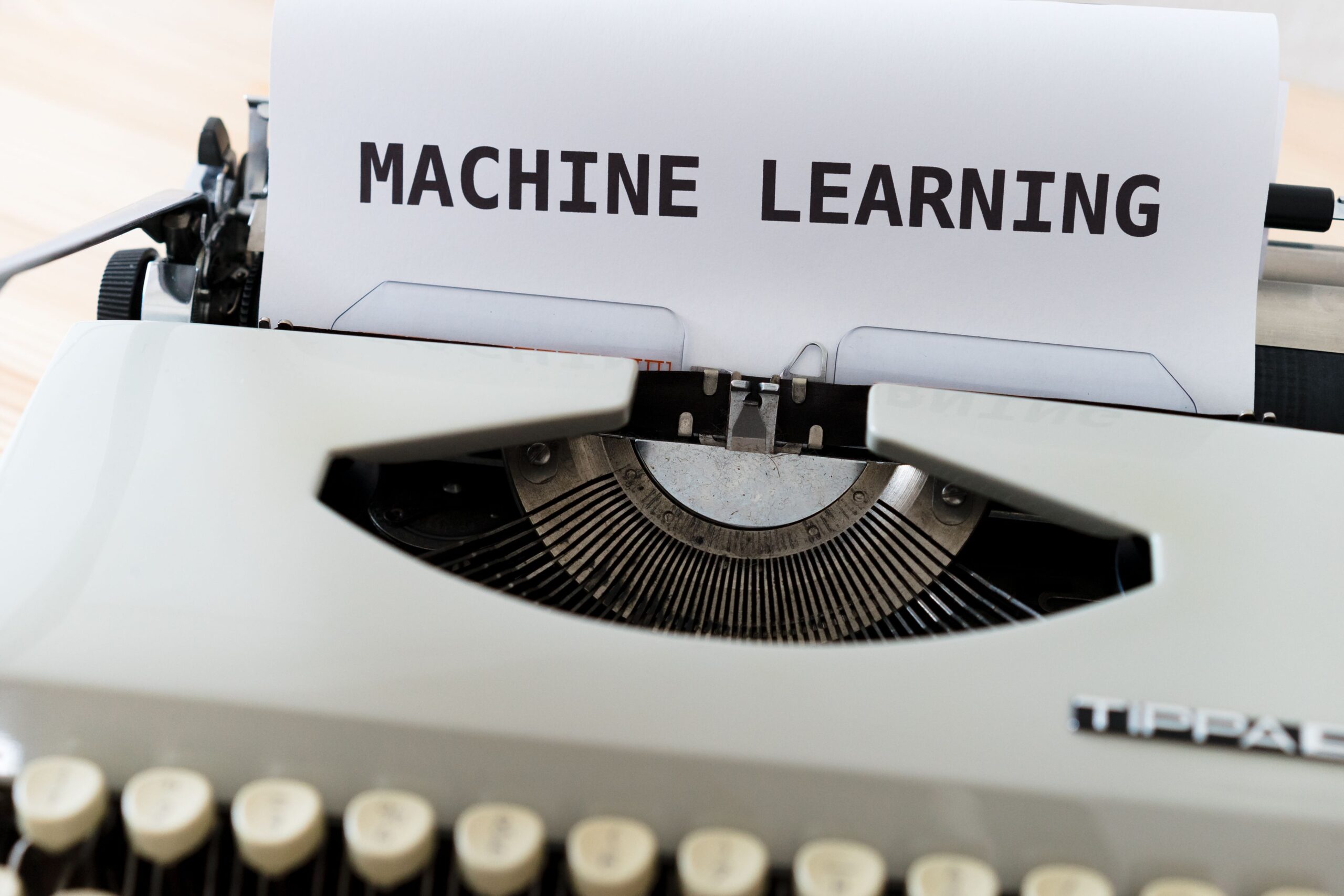
Some critics argue that AI-assisted writing represents a natural evolution of the creative process, comparable to the introduction of the typewriter or word processor. Others fear a stylistic flattening, since many models tend to produce texts with similar linguistic characteristics, potentially homogenizing contemporary literary production.
Toward a New Hybrid Form of Literature
What emerges clearly is that artificial intelligence is not replacing writers, but creating new modes of hybrid expression. Literary festivals dedicated to generative writing, poetry anthologies composed with the help of algorithms, and ‘co-writing’ workshops with AI are flourishing worldwide, testifying to the growing interest in this creative frontier.
The future of fiction may be neither entirely human nor entirely artificial, but a territory of shared experimentation where human sensibility guides and selects, while the algorithm expands the combinatorial possibilities of language. In this scenario, the real challenge for writers and poets will be maintaining an authentic and recognizable voice, using AI as a tool for creative enhancement rather than a substitute for their own imagination.