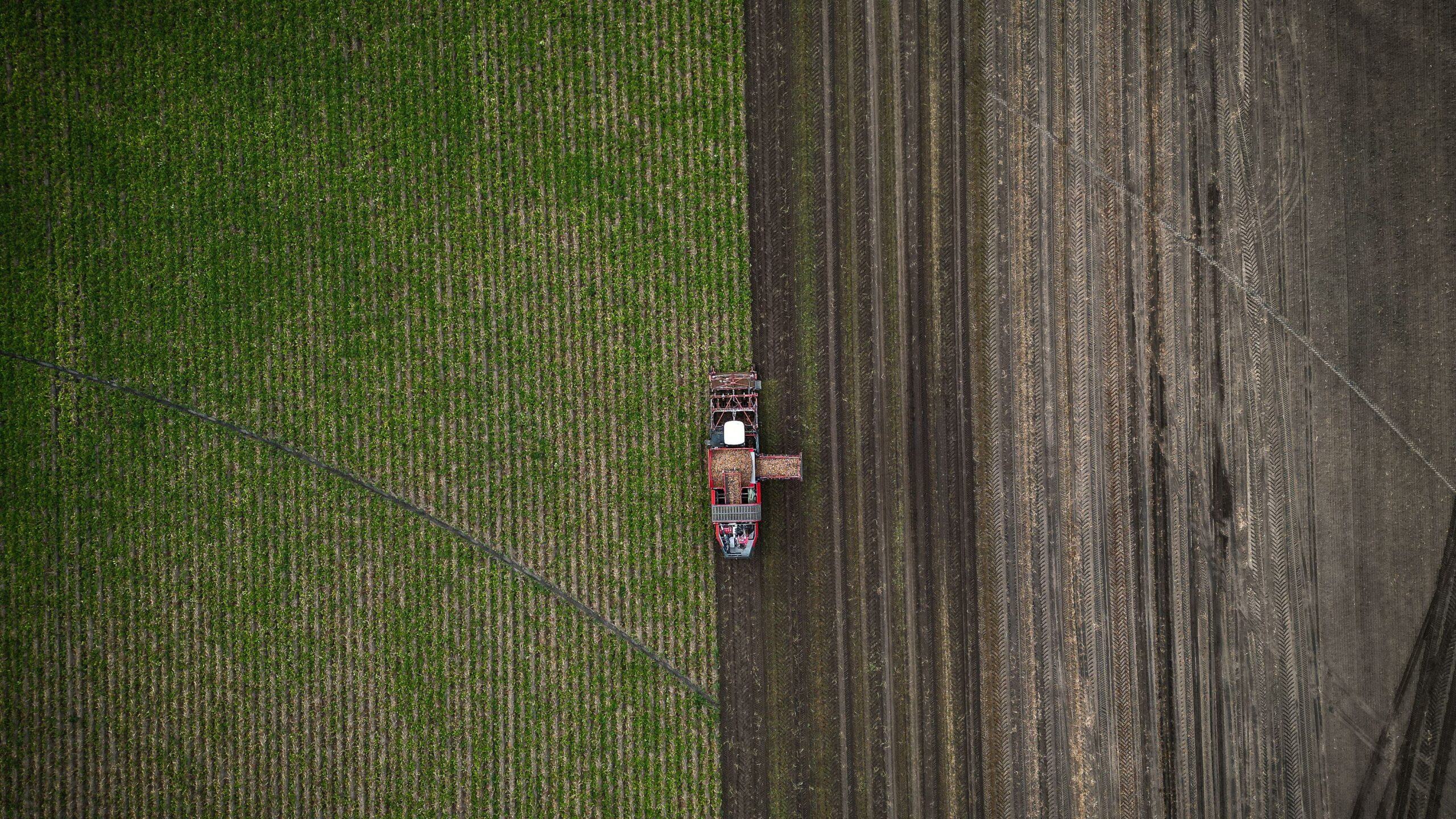
From drones mapping fields to robots gently harvesting fruit, artificial intelligence is revolutionizing global agriculture. Discover how sensors, machine learning, and computer vision are making crops more efficient, sustainable, and resilient to climate change.
For millennia, agriculture has been guided by observation, inherited experience, and a touch of farmer’s intuition. Today, alongside this centuries-old knowledge, a new silent ally has emerged: artificial intelligence. From wheat fields in the American Midwest to rice paddies in Southeast Asia, algorithms are radically changing how we produce food, tackling crucial challenges like water scarcity, climate change, and growing global food demand.
Precision Serving the Land
Precision agriculture is perhaps the most widespread application of AI in the primary sector. Sensors distributed across fields continuously collect data on soil moisture, temperature, nutrient levels, and pest presence. This data feeds predictive models capable of suggesting exactly when to irrigate, how much fertilizer to apply, and at which specific point in the field to intervene, reducing waste by up to 30%.
Drones equipped with multispectral cameras fly over crops capturing images that computer vision algorithms analyze to identify plant diseases, water stress, or infestations early, often before they’re visible to the human eye.
Robots That Harvest with Care
Automated harvesting is one of the most fascinating frontiers. Robots equipped with mechanical arms and tactile sensors can now identify the ripeness of fruits like strawberries, tomatoes, and apples, picking them with the same delicacy as an experienced hand. This also addresses a concrete problem: the growing shortage of seasonal labor in many agricultural regions.
- Computer vision systems distinguish ripe fruit from unripe with over 90% accuracy
- Robotic arms adjust grip strength based on product fragility
- Pathfinding algorithms optimize harvesting routes, reducing time and energy consumption
Forecasts That Save Harvests
Machine learning applied to weather and satellite data enables increasingly accurate predictions on crop yields, risks of sudden frost, or heat waves. Farmers can thus anticipate strategic decisions, from choosing which varieties to plant to the optimal timing for sowing.
Some platforms integrate decades of historical data with climate models to suggest which crops will be most resilient in a given geographic area in coming years, a valuable support in the face of increasingly unpredictable climate patterns.
Smart Livestock Farming
The livestock sector also benefits from these technologies. Wearable sensors and collars constantly monitor animal health, detecting early signs of illness through analysis of heart rate, body temperature, and movement patterns. Bovine facial recognition systems allow individual tracking of each animal in large herds.
Challenges Ahead
Despite progress, significant obstacles remain. Access to these technologies requires investments that many small farms, especially in developing countries, cannot afford. Internet connectivity in rural areas remains limited across vast regions of the planet, and the volume of data generated raises delicate questions about ownership and privacy of agricultural information.
Overcoming these barriers will require targeted public policies, technology cooperatives, and cost-sharing models that make innovation accessible to small producers as well, not just large industrial supply chains.
A Future to Cultivate Together
Artificial intelligence won’t replace farmers’ knowledge, but it enhances it with tools never available before. In a world that will need to feed nearly 10 billion people by 2050 using less land, less water, and facing unstable climate conditions, this alliance between technology and agricultural tradition could prove decisive for global food security.