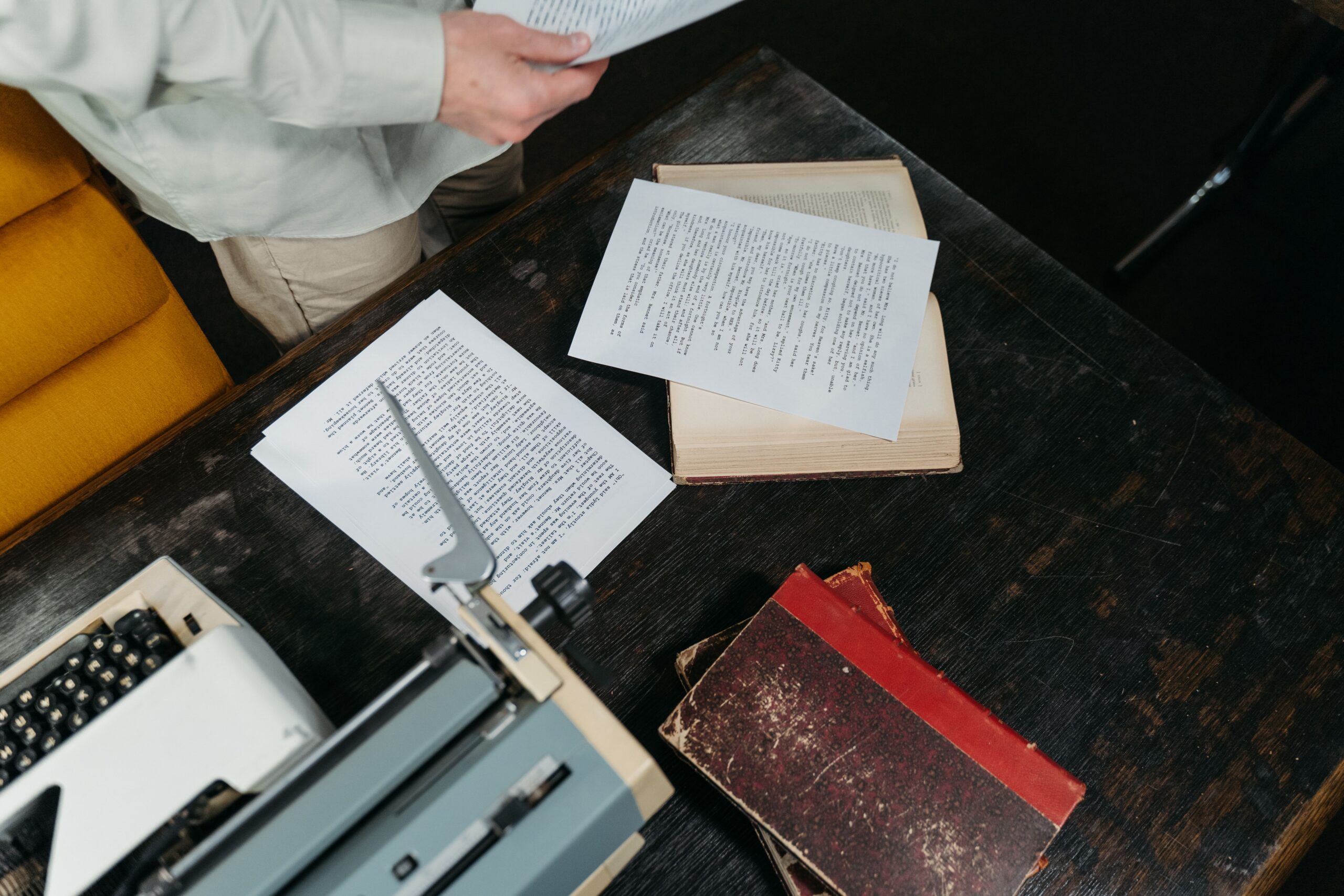
Artificial intelligence is transforming the creative process for writers, offering tools to overcome writer’s block, explore new plot lines, and experiment with narrative styles. But what does this mean for the authenticity and soul of human storytelling?
For centuries, creative writing has been considered one of the most exclusively human territories of artistic expression: an intimate dialogue between imagination, memory, and emotion. Today, the arrival of advanced language models is redefining this process, offering writers tools capable of generating drafts, suggesting alternative plots, and even imitating specific literary styles.
Novelists, screenwriters, and poets increasingly use AI not as a replacement, but as a silent collaborator. Some employ it to overcome the dreaded ‘writer’s block,’ asking the algorithm to propose variations on a stuck scene. Others use it to build complex narrative worlds, quickly generating biographies for secondary characters or historical details for fantasy settings.
The Tools Changing Writing
The landscape of tools dedicated to creative writing has expanded rapidly in recent years. Among the most widespread applications we find:
- Plot generators that propose narrative structures based on classic archetypes
- Editing assistants that suggest stylistic improvements while maintaining the author’s original voice
- World-building platforms that help maintain consistency in complex sagas
- Brainstorming tools that generate prompts and ideas to overcome creative stalemates
Independent publishers and self-publishing platforms have begun integrating these technologies into their workflows, democratizing access to tools that once required extensive editorial teams.
The Debate on Authenticity
Critical voices are not lacking, however. Many established writers argue that true literature is born from the friction between lived experience and language, a process that AI, lacking consciousness and lived experience, cannot truly replicate. The risk, according to these critics, is stylistic homogenization: if thousands of authors rely on the same models, we might witness a narrative convergence that flattens the diversity of literary voices.
On the other hand, supporters of technological integration point out how every innovation – from the typewriter to the spell checker – was initially met with suspicion, only to later become a normal tool of the trade. AI, in this view, would simply be the latest evolution in a long history of tools that assist, without replacing, human creativity.
New Narrative Forms
Also interesting is the emergence of hybrid narrative forms, where human-machine interaction becomes part of the story’s structure itself. Some experimental authors are exploring collaboratively generated narratives, where readers can influence plot development through choices processed in real time by narrative algorithms.
This opens fascinating scenarios for the future of publishing: books that adapt to the reader, stories that evolve over time, narrative universes that grow organically through the contribution of artificial intelligences and communities of reader-authors.
The writer’s craft is not disappearing, but transforming. The challenge for contemporary authors will be learning to navigate this new instrumental ecosystem, keeping intact that spark of authenticity that makes human storytelling irreplaceable, while benefiting from the extraordinary possibilities offered by technology.