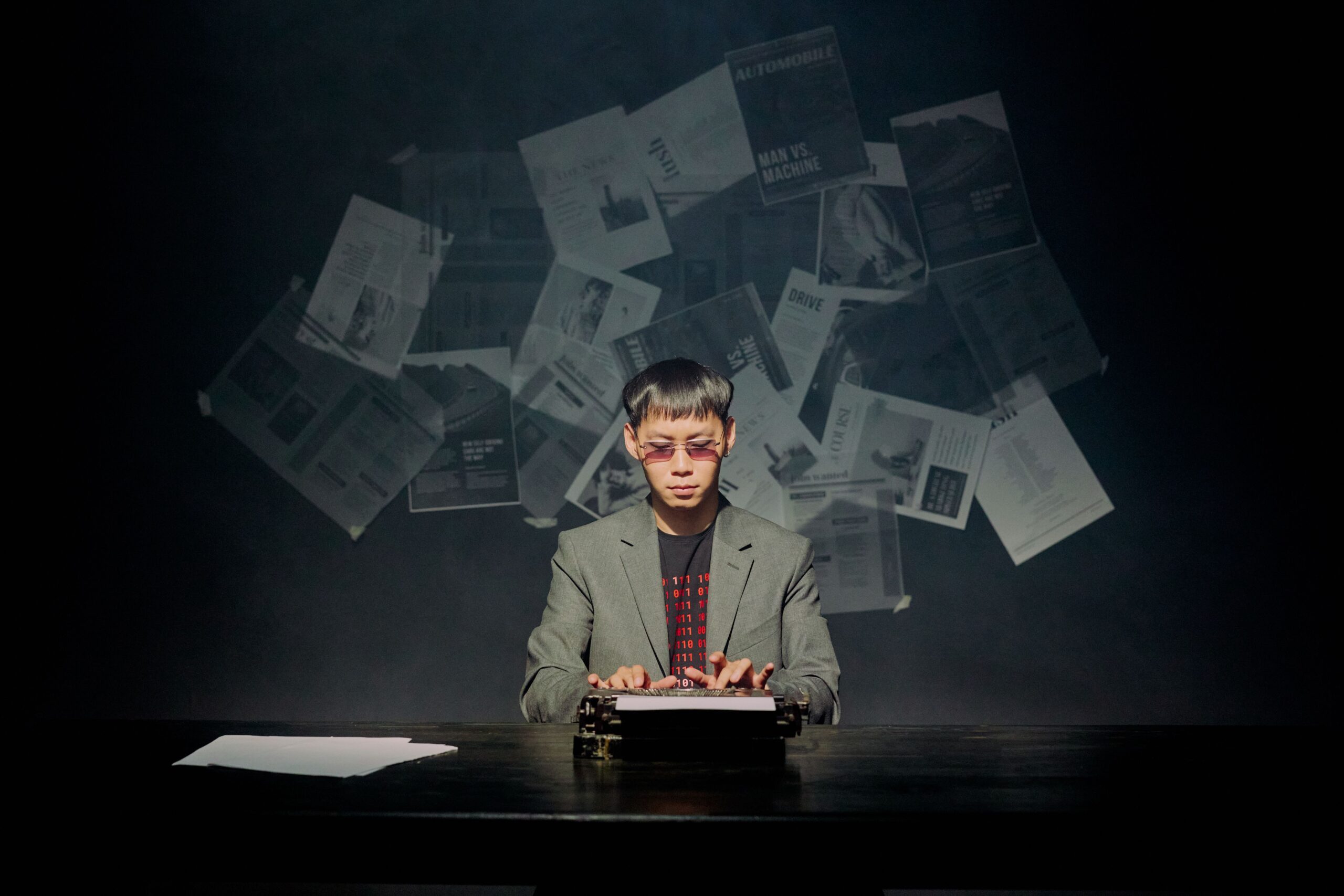
Artificial intelligence is becoming a writing companion for novelists, screenwriters, and poets, capable of suggesting plots, characters, and styles. But can it truly understand the emotion behind words, or does it remain a tool devoid of creative soul?
For centuries, writing has been considered the most intimate and personal expression of human creativity, a solitary act in which the mind transforms thoughts and emotions into words. Today, however, generative artificial intelligence tools are entering writers’ rooms, offering plot suggestions, alternative dialogues, and even entire draft chapters. This quiet revolution is redefining what it means to ‘write’ in the twenty-first century.
The latest generation language models can analyze thousands of literary works, absorbing narrative styles, plot structures, and linguistic nuances. The result is an assistant capable of proposing captivating openings, developing complex narrative arcs, or suggesting unexpected twists. Many emerging authors use these tools as a creative ‘sparring partner,’ a way to overcome writer’s block or explore narrative directions they might not have considered on their own.
A Tool, Not a Substitute
Despite these impressive capabilities, most professional writers agree on one fundamental point: AI does not replace the authorial voice, it amplifies it. An algorithm can generate grammatically perfect sentences and coherent narrative structures, but it lacks the lived experience, personal wounds, and unique insights that make a story authentically human.
Many writers describe the process as a collaboration: AI generates options, the author selects, modifies, and infuses meaning. This hybrid approach is giving rise to a new genre of literature, where technology becomes part of the creative process without replacing artistic intention.
Applications in the Publishing World
The publishing industry is experimenting with AI across several areas:
- Generating initial drafts to overcome the blank page
- Stylistic editing and narrative coherence suggestions
- AI-assisted literary translation, preserving original tone and rhythm
- Creating interactive content, like branching stories for video games
- Supporting screenplay and film dialogue writing
Some publishing houses are even experimenting with novels co-written with AI, raising ethical and legal questions about authorship and copyright. Who owns the rights to a text generated in collaboration with an algorithm? This question is fueling international debates about copyright and intellectual property.
The Limits of Artificial Creativity
Despite the progress, AI struggles to replicate the authenticity of human experience. Generated stories tend to follow predictable patterns learned from training data, often lacking the disruptive originality that characterizes great literary masterpieces. A novel written entirely by an algorithm can be technically flawless yet emotionally empty.
Moreover, creative writing is not just text production: it is a process of personal discovery, a way for the author to explore themselves and the world. This introspective aspect remains, for now, exclusively human.
Toward a New Creative Literacy
The future of writing will likely not see AI replace authors, but transform how writing is taught and practiced. Schools and workshops are already integrating AI tools to help students overcome creative blocks and experiment with different styles, while developing critical thinking about when and how to use these tools.
The challenge for future writers will be finding the perfect balance between the efficiency offered by technology and the authenticity that only human experience can guarantee, turning AI into a creative brush rather than a substitute for the artist.