
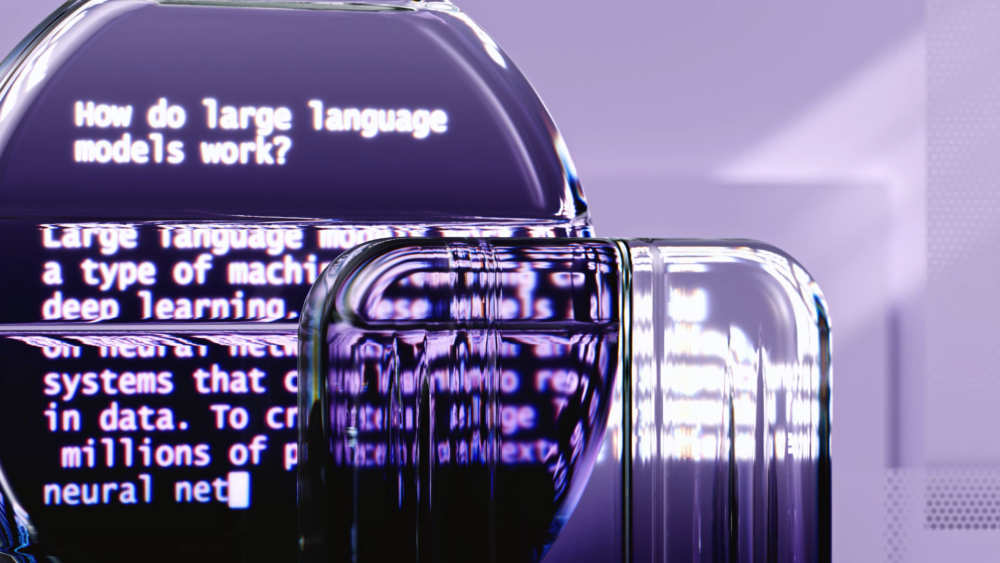
Generative AI is revolutionizing how we create content, from images to text, from music to code. This emerging technology opens new creative possibilities while raising important ethical and legal questions.
Generative artificial intelligence represents one of the most significant advances in AI in recent years. This technology, capable of creating completely new content from text prompts, is radically transforming sectors ranging from art to programming, from marketing to education.
What Distinguishes Generative AI
Unlike traditional AI systems that simply classify or analyze existing data, generative AI can produce original content. Using deep learning models like Transformers and Generative Adversarial Networks (GANs), these systems learn from massive datasets to generate new content that maintains the characteristics of training data without being mere copies.
Revolutionary Applications
Generative AI applications span multiple domains:
- Image Creation: Tools like DALL-E, Midjourney, and Stable Diffusion enable generating artwork, photographs, and realistic illustrations from text descriptions
- Text Generation: Models like GPT-4 and Claude produce high-quality articles, stories, code, and documentation
- Audio Synthesis: Advanced systems create personalized music, synthetic voices, and sound effects
- Software Development: AI assists programmers by generating code, debugging, and technical documentation
Impact on Industrial Sectors
The marketing sector has rapidly embraced generative AI to create personalized advertising content and social media campaigns. In the entertainment industry, film studios and record labels use these tools to accelerate creative production and reduce costs. The education sector is exploring applications for creating personalized learning materials and intelligent tutoring.
Challenges and Ethical Considerations
The rise of generative AI brings significant challenges. Copyright and intellectual property issues are at the center of debate, as these models are trained on copyrighted works. The proliferation of deepfakes and artificial content raises concerns about misinformation and digital authenticity.
Additionally, the impact on the creative job market is subject to intense debate. While some view AI as a tool that amplifies human capabilities, others fear the replacement of creative workers.
The Future of Generative AI
Future prospects include developing more efficient and specialized models, better multimodal integration, and more controllable and interpretable systems. Evolution toward more responsible generative AI will require collaboration between developers, legislators, and creative communities to establish appropriate ethical and regulatory frameworks.
Generative AI represents a technological turning point that will continue to redefine the boundaries between human and artificial creativity, opening new possibilities while challenging us to rethink fundamental concepts like originality, authorship, and creative value.