
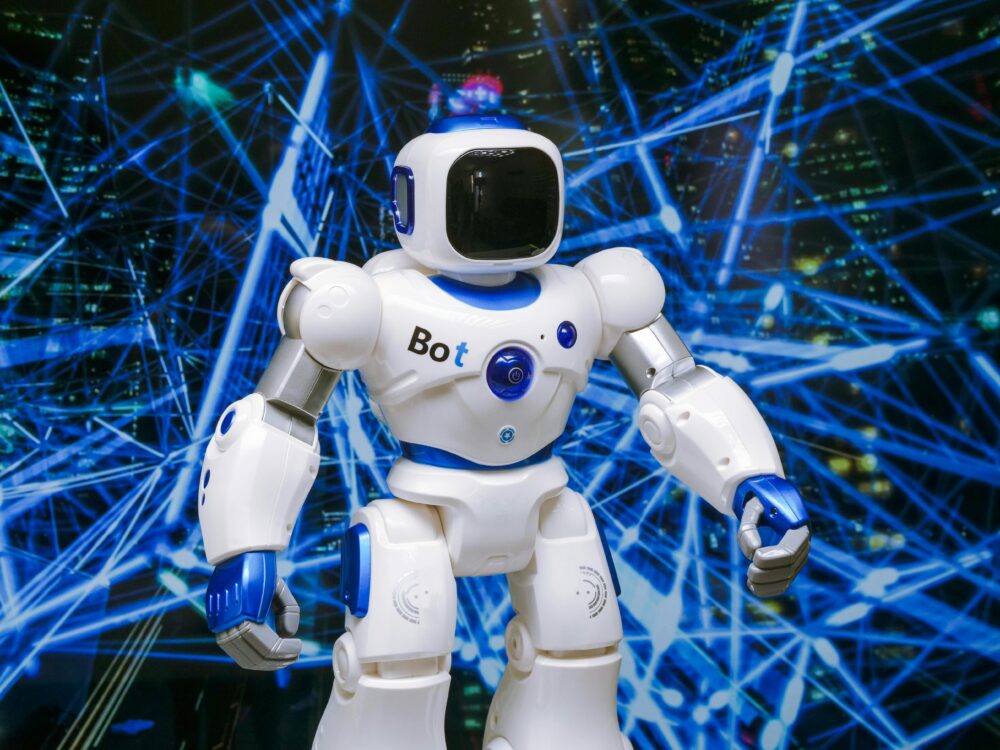
Embodied AI represents the cutting edge of artificial intelligence that learns through physical interaction with the real world. This revolutionary technology promises to transform robotics, home automation, and manufacturing industries.
Artificial intelligence is undergoing a radical transformation with the emergence of Embodied AI, a technology that enables intelligent systems to learn and interact through a physical body in the real world. Unlike traditional models operating in digital environments, Embodied AI integrates sensors, actuators, and advanced algorithms to create systems that understand the world through physical experience.
What Makes Embodied AI Unique
The concept of embodied intelligence is based on the principle that intelligence emerges from the dynamic interaction between mind, body, and environment. These systems utilize:
- Multimodal sensors to perceive the surrounding environment
- Motor learning algorithms that improve through physical experience
- Tactile and proprioceptive feedback to develop spatial understanding
- Adaptive neural networks that evolve with interaction
Revolutionary Applications
Embodied AI is already transforming various sectors. In domestic robotics, new assistants can learn to navigate living spaces, recognize objects through touch, and adapt to user preferences. In manufacturing, embodied robots can handle delicate materials, assemble complex components, and collaborate safely with human operators.
Particularly promising is the application in healthcare, where embodied robots can provide physical support to patients with reduced mobility, learning to adapt their movements to each individual’s specific needs.
Future Challenges and Opportunities
The development of Embodied AI presents significant challenges, including the need for sophisticated hardware, algorithms capable of managing the complexity of the physical world, and safety issues in human-machine interaction. However, advances in sensor miniaturization, energy efficiency, and learning algorithms are accelerating the adoption of this technology.
Predictions indicate that by 2030, Embodied AI could revolutionize sectors such as logistics, precision agriculture, and space exploration, opening new possibilities for intelligent systems that not only think but act physically in the real world with ever-increasing competence.