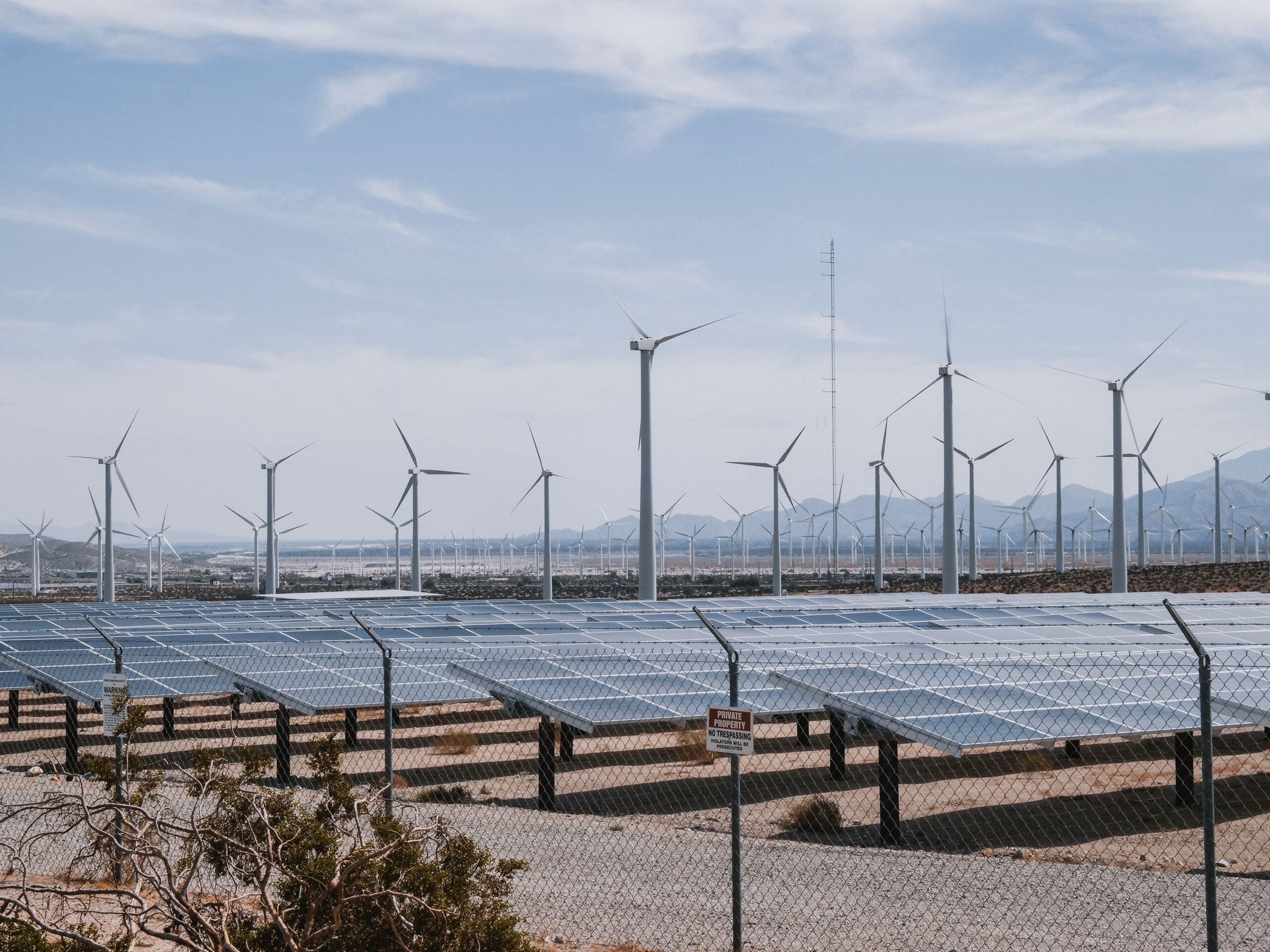
AI is transforming the energy sector by optimizing power grids, forecasting demand, and accelerating renewable energy development. An analysis of the technologies making the energy transition smarter and more efficient, exploring both challenges and future opportunities.
The energy sector is undergoing an unprecedented transformation, and artificial intelligence is emerging as one of the primary drivers of this change. From smart grids to renewable production forecasting, algorithms are redefining how we produce, distribute, and consume energy, paving the way for a more sustainable and efficient future.
Smart Grids and Predictive Management
Traditional power grids, designed decades ago for unidirectional energy flow, struggle to handle the complexity introduced by distributed renewable sources like home solar panels and wind turbines. AI steps in decisively here: machine learning systems analyze thousands of variables in real time to automatically balance supply and demand, preventing blackouts and reducing waste.
Smart grids based on predictive algorithms can anticipate consumption peaks hours or even days in advance, allowing operators to optimize distribution and more effectively integrate intermittent renewable sources, whose output depends on variable weather conditions.
Renewable Forecasting: The Crucial Role of Weather
One of the historic limitations of solar and wind energy has been their unpredictability. Here artificial intelligence is making giant strides: deep learning models trained on massive meteorological datasets can now predict the energy output of a wind or solar plant with a drastically reduced margin of error compared to traditional methods.
This predictive capability allows grid operators to plan renewable integration with greater precision, reducing the need for fossil fuel backup and stabilizing energy prices in the markets.
Energy Efficiency in Buildings and Industry
AI is also revolutionizing energy consumption on a micro scale. Building automation systems based on algorithms learn occupants’ habits and automatically adjust heating, lighting, and climate control, generating significant savings without sacrificing comfort.
- Real-time dynamic consumption optimization
- Predictive maintenance of industrial equipment and machinery
- Reduction of energy waste through smart sensors
- Automated energy storage management
In the industrial sector, manufacturing giants use AI to optimize energy-intensive production processes, identifying inefficiencies invisible to the human eye and suggesting corrective actions that reduce consumption by 10-15%.
The Challenges of Algorithmic Transition
Despite the progress, significant obstacles remain. Implementing AI systems in the energy sector requires substantial infrastructure investment and specialized technical skills, often scarce in many traditional utilities. Additionally, cybersecurity becomes a critical priority: increasingly digitized and interconnected power grids represent potential targets for cyberattacks with far-reaching consequences.
Another open question concerns AI’s own energy footprint: training complex models requires enormous amounts of energy, creating a paradox the sector will need to address with increasingly computationally efficient solutions.
A Look Ahead
Looking forward, the integration between artificial intelligence and energy systems promises fascinating scenarios: fully autonomous self-healing grids, peer-to-peer energy markets managed by algorithms, and entire cities optimized in real time to minimize their carbon footprint. The convergence of AI and the energy transition is not just a technological trend, but a strategic necessity for tackling the global climate challenge with tools equal to its complexity.