
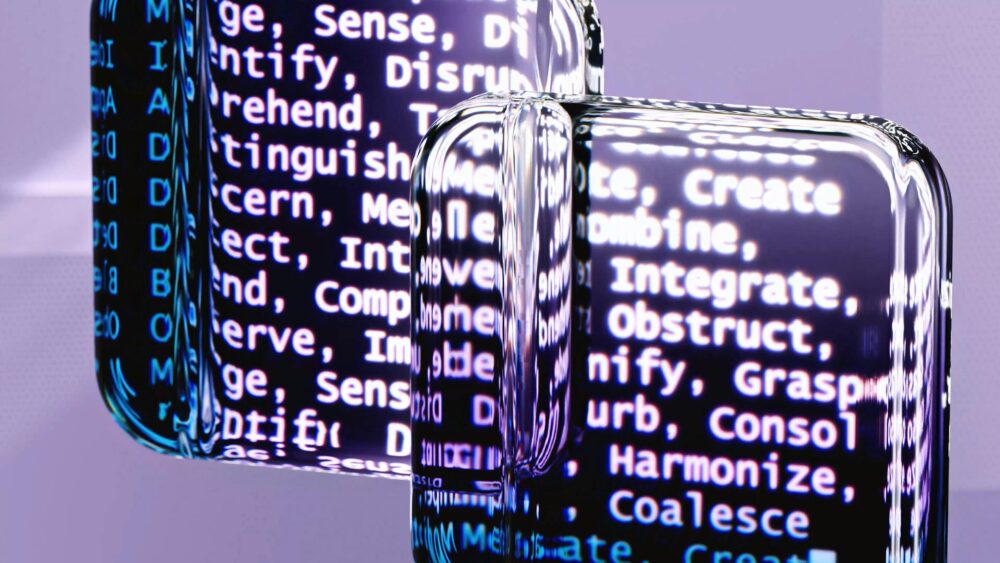
Generative AI is revolutionizing how we create content, from images to text, from music to code. This technology enables machines to generate completely new and original content from simple text inputs.
Generative artificial intelligence represents one of the most significant leaps forward in the AI field, radically transforming our approach to creativity and content production. This revolutionary technology allows machines to create completely new and original content, from photorealistic images to complex texts, from music to animations.
What Makes Generative AI Special
Unlike traditional AI systems that merely analyze and classify existing data, generative AI is capable of producing unprecedented content. It uses sophisticated deep learning models, such as Transformers and Generative Adversarial Networks (GANs), to learn patterns from training data and then generate new creative variations of these patterns.
The process is fascinating: the AI analyzes millions of existing examples, understands the underlying rules and relationships between elements, then uses this knowledge to create something completely new yet consistent with the learned principles.
Revolutionary Applications
Generative AI applications are transforming numerous sectors:
- Art and Design: Creating artwork, logos, illustrations, and concept art for films and video games
- Writing and Journalism: Generating articles, creative stories, screenplays, and marketing content
- Music and Audio: Composing musical pieces, sound effects, and even realistic synthetic voices
- Programming: Automatic code writing, debugging, and software optimization
- Architecture and Engineering: Designing buildings, objects, and innovative solutions
Challenges and Ethical Considerations
Despite enormous potential, generative AI raises important questions. The quality of generated content heavily depends on the quality and diversity of training data. Additionally, concerns emerge regarding copyright, misinformation, and misuse to create deceptive or harmful content.
It’s essential to develop ethical frameworks and verification systems to ensure responsible use of this technology, balancing innovation with protection of creative interests and public safety.
The Future of Generative AI
The future promises even more exciting developments. We’re witnessing the emergence of increasingly sophisticated models capable of generating multimodal content, combining text, images, audio, and video into integrated experiences. Integration with virtual and augmented reality will open new frontiers for creating immersive digital worlds.
Generative AI won’t replace human creativity but will become a powerful tool for amplifying creative capabilities, allowing designers, writers, musicians, and developers to explore new expressive dimensions and significantly accelerate their creative processes.