
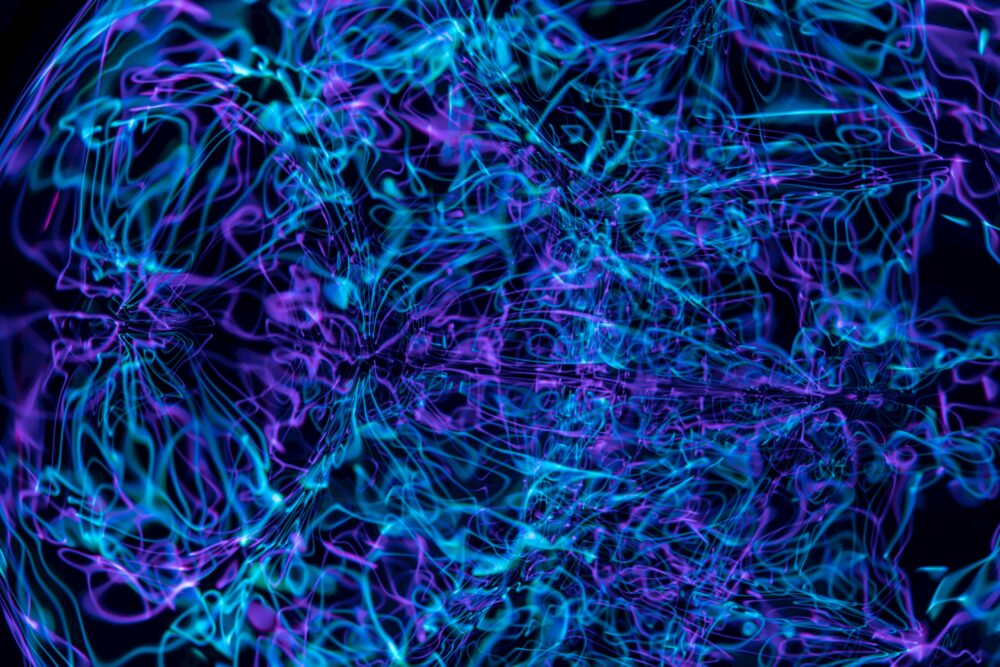
Neuromorphic AI represents a paradigm shift in artificial intelligence, using chips that mimic the functioning of biological neurons. This technology promises to revolutionize energy efficiency and cognitive capabilities of AI systems.
Neuromorphic artificial intelligence is emerging as one of the most promising technologies for the future of AI, representing a radically different approach compared to traditional digital processors. This innovative computing architecture directly mimics the functioning of the human brain, using specialized chips that replicate the structure and behavior of biological neurons.
How Neuromorphic AI Works
Unlike traditional processors that process information sequentially, neuromorphic chips operate in parallel and asynchronously, just like our brain does. These devices use neural spikes to communicate, creating networks of artificial neurons that can learn and adapt in real-time without the need for external reprogramming.
The main characteristics of neuromorphic AI include:
- Massive parallel processing with thousands of artificial neurons
- Event-based communication through temporal spikes
- Continuous learning capability without losing prior knowledge
- Fault resilience and self-repair capabilities
Revolutionary Advantages
The most significant advantage of neuromorphic AI is extraordinary energy efficiency. While traditional supercomputers consume megawatts of energy, a neuromorphic chip can operate with just milliwatts, replicating complex cognitive capabilities with energy consumption similar to the human brain – approximately 20 watts.
This efficiency translates into revolutionary practical applications: from autonomous robots that can operate for days without recharging, to intelligent IoT devices that process complex data locally, to surveillance systems that recognize behavioral patterns in real-time.
Applications and Future
Leading companies like Intel with the Loihi chip, IBM with TrueNorth, and innovative startups are developing neuromorphic solutions for various sectors:
- Advanced robotics for unstructured environments
- Autonomous vehicles with instantaneous decision-making capabilities
- Implantable medical devices for continuous monitoring
- Security systems for behavioral recognition
Neuromorphic AI doesn’t just represent an incremental improvement, but a true paradigm shift that could make artificial intelligence more similar to biological intelligence. With the ability to learn continuously, adapt to new situations, and operate with extreme energy efficiency, this technology promises to bring AI from the laboratory directly into everyday life, making possible applications that today seem like science fiction.