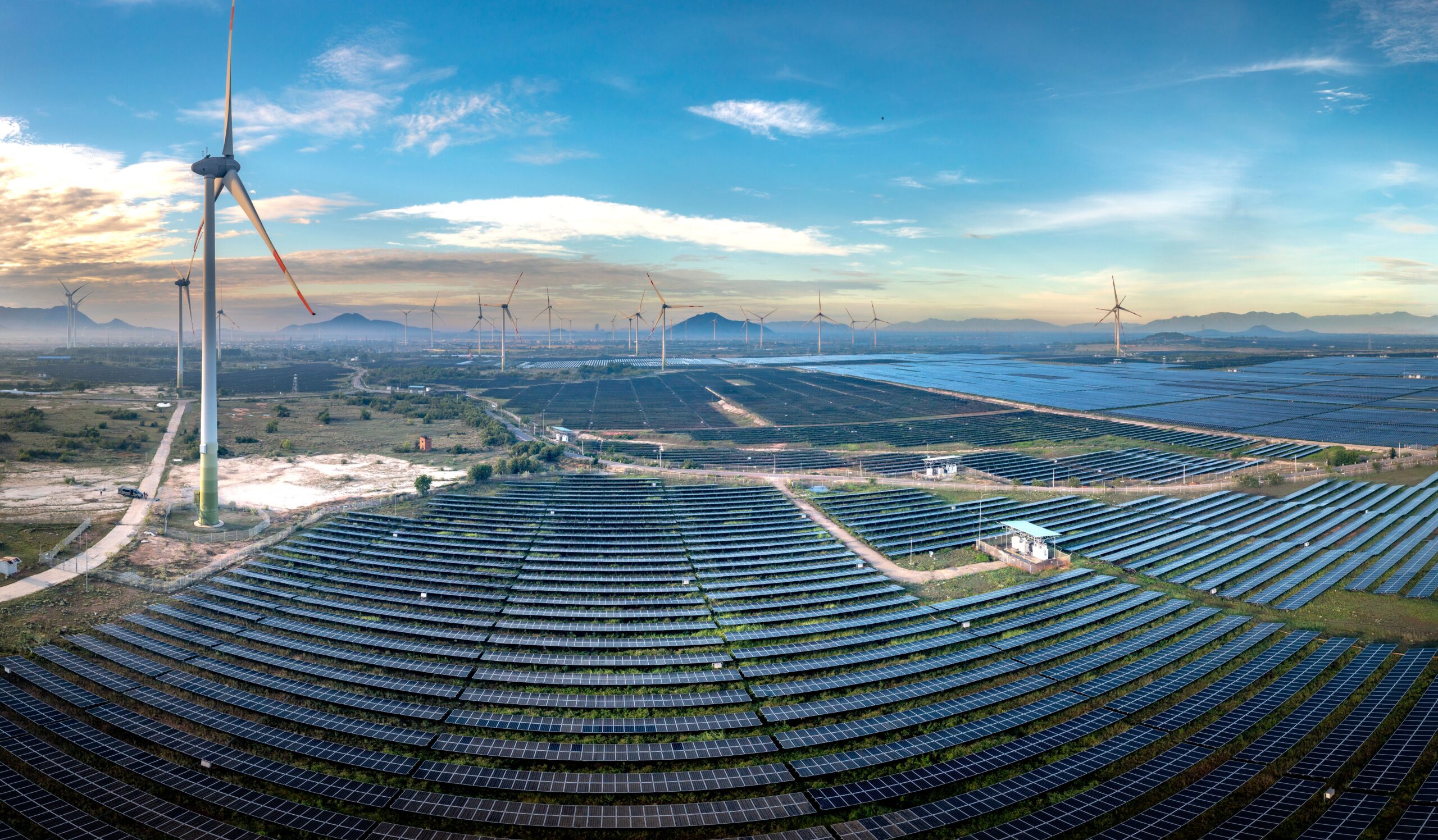
AI is radically transforming the energy sector, optimizing smart grids, predicting renewable energy production, and reducing waste. A journey into the future of more efficient, sustainable, and distributed energy powered by predictive algorithms.
The energy sector is undergoing an unprecedented transformation, driven not only by the transition to renewable sources but also by the growing adoption of artificial intelligence. Algorithms are becoming the invisible brain orchestrating energy production, distribution, and consumption worldwide, opening scenarios that were unimaginable just a few years ago.
Smart Grids: The Heart of the Revolution
Smart grids represent one of the most promising applications of AI in the energy sector. Unlike traditional networks, which follow unidirectional and predictable flows, modern grids must manage thousands of distributed production sources, from residential solar panels to industrial wind turbines. Artificial intelligence analyzes enormous amounts of real-time data from IoT sensors, automatically balancing supply and demand to prevent blackouts and optimize overall system efficiency.
Weather Forecasting and Renewable Production
One of the historical limitations of renewable energy is its intermittency: the sun doesn’t always shine and the wind doesn’t blow constantly. Machine learning algorithms are solving this problem through increasingly sophisticated predictive models, capable of accurately forecasting solar and wind energy production up to several days in advance. This allows grid operators to better plan the integration of these sources, reducing dependence on fossil fuels as backup.
- Deep learning algorithms for analyzing complex weather patterns
- Smart storage systems that optimize battery charging based on forecasts
- Predictive models for preventive maintenance of wind turbines and photovoltaic systems
- Automated energy trading platforms based on price predictions
Energy Efficiency in Buildings and Industry
It’s not just production that benefits from AI: energy consumption is also becoming increasingly intelligent. Algorithm-based building management systems learn occupants’ habits and automatically adjust heating, cooling, and lighting to minimize waste without compromising comfort. In the industrial sector, predictive systems identify inefficiencies in production processes, suggesting optimizations that can reduce energy consumption by as much as 20-30%.
Challenges and Future Prospects
Despite significant progress, important challenges remain. Cybersecurity of smart grids represents an absolute priority, as critical infrastructure managed by algorithms becomes a potential target for cyberattacks. Additionally, energy data governance raises questions about privacy and ownership of information collected by smart meters.
Looking to the future, the integration between artificial intelligence and emerging technologies like digital twins promises to further revolutionize the sector. Digital twins of energy infrastructure will enable increasingly accurate simulations, allowing complex scenarios to be virtually tested before real-world implementation. At the same time, generative AI is beginning to be employed to design new materials for more efficient solar panels and batteries with superior storage capacity.
The convergence between artificial intelligence and the energy sector represents not just a technological evolution, but a crucial element in the fight against climate change. By optimizing every aspect of the energy chain, from production to final consumption, algorithms are helping build a future where sustainability and efficiency can finally coexist on a global scale.